

-
For most healthy adults, the answer to how much creatine is 3–5 grams per day of creatine monohydrate; 5 grams per day is the most common research-backed dose.
-
Heavier or very active lifters may benefit from 5–10 grams per day, split into 2 servings; 20+ grams is typically for a short loading phase or scientific studies.
-
A loading phase is optional. Consistent daily creatine supplementation matters more than timing around workouts.
-
Creatine is well researched, but people with kidney disease, certain medications, health conditions, or anyone under 18 should consult a doctor before taking creatine.
If you are wondering how many grams of creatine a day to take, the practical answer is simple: start with a steady daily dose, track your response, and avoid chasing mega-doses.
What Is Creatine and Why Do People Use Creatine Supplementation?
Creatine is formed from amino acids and is primarily obtained from dietary sources such as meat, poultry, and fish, while the body also synthesizes creatine in the liver, kidneys, and pancreas. More specifically, creatine is synthesized in the body from the amino acids glycine, arginine, and methionine, and it plays a crucial role in energy production during high-intensity exercise by helping recycle adenosine triphosphate.
Foods that are rich in creatine include red meat, fish, and cow’s milk, but increasing intake of these foods may not provide additional athletic benefits compared to other protein sources. That is why many athletes use a creatine supplement instead of trying to get all their grams from foods alone.
Creatine is not a steroid. It does not directly raise testosterone. It helps muscles and the brain make quick energy during short bursts of sport, lifting, sprinting, gaming, or intense training. By 2026, creatine monohydrate remains the most rigorously researched and cost-effective form of creatine available, despite marketing around other forms, and researchers are also exploring broader uses beyond performance as the science continues to develop.

Exactly How Many Grams of Creatine Per Day? (Grams Per Day Quick Answer)
Most healthy adults need 3–5 grams per day of creatine monohydrate with no mandatory loading phase. The International Society of Sports Nutrition describes creatine as one of the most researched supplements in sports nutrition.
-
3 grams per day: smaller users, cautious beginners, or people who want less water retention.
-
5 grams per day: the gold standard dose for most people.
-
5–10 grams per day: larger strength athletes, especially near or above 200 lb / 90 kg.
Going beyond 10 grams per day for long term use is rarely needed unless supervised or used as loading. Start with 3–5 grams daily for 4–6 weeks, monitor digestion, weight, recovery, and whether you feel stronger, then adjust.
Creatine Dosage by Goal and Body Size
How much creatine depends on body weight, training volume, diet, and goals. General health and wellness: 3–5 grams per day. Strength gains, hypertrophy, power, and athletic performance: 5 grams daily for most lifters under about 90 kg. For larger athletes, a higher maintenance dose of 5 to 10 grams daily may be required to maintain optimal muscle saturation.
For individuals weighing close to or above 200 pounds, a daily dose of 10 grams of creatine may be beneficial for optimal results, often split into two 5 g servings. A weight-based estimate is 0.03 g/kg/day, but studies typically use the easier 3–5 g range. Women can use the same dosage range, and older adults often benefit when creatine is combined with resistance exercise.
Creatine Loading vs. Daily Maintenance: Which Approach Is Best?
A loading phase for creatine involves taking 20 to 25 grams per day for 5 to 7 days, split into four or five 5-gram doses. Some studies suggest a loading phase of creatine supplementation may involve taking 20 grams per day for 5-7 days, followed by a maintenance dose of 2 to 5 grams per day.
Loading saturates muscles faster, but it takes about 28 days to fully saturate your muscles with creatine if you simply take 3–5 grams daily. Many people skip loading to avoid temporary bloating or stomach discomfort. For long term consistency, the maintenance dose is the main habit.
Daily Creatine Amounts: From 3 g to 20+ g Explained
Think of creatine intake as a range, not a contest.
-
3 g: low end; useful for smaller bodies or cautious users.
-
5 g: most common daily dose in research.
-
10 g: usually for larger athletes or very high-volume workouts.
-
20 g: generally short-term loading, not routine long term use.
-
28 g+: appears in some research on stress, sleep loss, neurological fatigue, or brain injury, but it is not a standard fitness dose.
Routine high dosing may potentially increase negative effects without extra benefit for most people.

How to Take Creatine: Timing, Form, and Practical Tips
Total grams per day matter more than whether you take creatine before or after workouts. Morning, post-workout, or with dinner all work if you remember it. Taking creatine with carbohydrates or a carb/protein meal can enhance absorption by triggering insulin spikes, but the difference is usually modest.
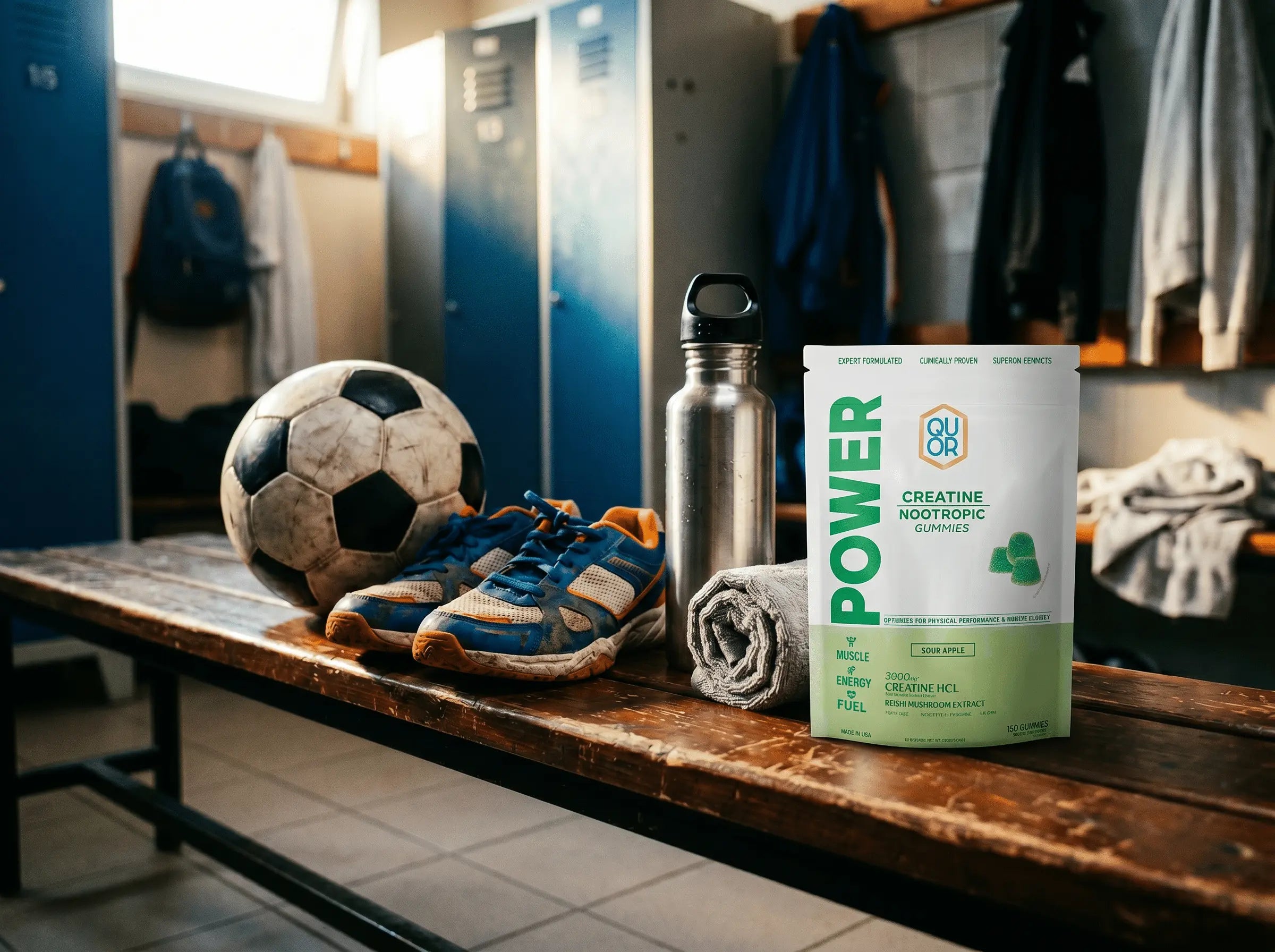
Creatine monohydrate powder is the easiest form to dose; a teaspoon is often around 3–5 grams, but use the label or a scale. Capsules, gummies, chewables, and HCl exist, yet other forms have not consistently outperformed monohydrate in high-quality research.
Hydration is important when taking creatine, as it draws water into muscle cells, necessitating increased daily water intake. Mix it into a drink, keep caffeine moderate, and remember that dehydration can hurt performance more than any supplement can help.
Potential Benefits of the Right Creatine Dose
The potential benefits of creatine supplementation are best demonstrated with steady 3–5 g dosing. Creatine supplementation may enhance athletic performance by contributing to rapid energy production, particularly during short bursts of anaerobic activity, and may also promote glycogen storage in muscle.
Research indicates that creatine supplementation can increase muscle mass and strength, particularly when combined with resistance training, with some studies showing increases in lean body mass by approximately 2.8 to 3.2 kg, about 7 pounds, over longer periods. Creatine has been shown to improve high-intensity exercise performance, with studies indicating significant increases in maximal strength and power output during training sessions.
There is also mixed but promising evidence for cognition, mental fatigue, mood support, and brain resilience, especially in vegans, older adults, or people with lower baseline creatine.
Safety, Side Effects, and Who Should Be More Cautious
Creatine supplementation is considered safe and effective, with consistent conclusions supporting its safety across numerous studies. Harvard Health also notes that typical creatine use appears safe for many healthy adults when used appropriately: Harvard Health on creatine.
Some individuals may experience mild side effects from creatine, including temporary weight gain of about 3–5 pounds due to increased water retention and occasional headaches. Large single doses can also cause stomach upset, so split the dose if using 10+ grams.
People with kidney disease should consult with their doctor before taking creatine supplements, as individual health needs vary and creatine may pose risks for those with underlying health conditions. Also get advice if pregnant, breastfeeding, under 18, taking multiple medications, or monitoring blood pressure, kidney tests, or disease markers. Choosing third-party-tested creatine from a reputable source like QUOR (quor.store) helps support purity and accurate dosing.
How Creatine Fits with Other Supplements and Wellness Routines
Creatine works best alongside basics: enough protein, balanced amino acids, sleep, structured training, and recovery. It does not replace disciplined exercise or a good diet.
Some people stack creatine with electrolytes, pre-workouts, nootropics, or hemp-derived cannabinoid products from QUOR (quor.store). There is limited direct research on cannabinoids and creatine together, so consider how relaxing or psychoactive products affect workouts, appetite, sleep, and recovery.
Make one change at a time. Add 3–5 grams per day, log dose, mood, appetite, training quality, performance, and side effects for at least 4 weeks before adding more supplements or cycling anything.

Frequently Asked Questions (FAQ)
Can I take creatine every day, even on rest days?
Yes. Daily use keeps muscles saturated. Rest-day dosing matters because creatine works by accumulation, not by one-time stimulation.
Is it better to take creatine before or after my workout?
Either is fine. The best time is the time you will remember consistently. Post-workout with carbohydrates and protein may slightly support uptake.
Do I need to cycle off creatine?
There is no strong evidence that cycling is required for healthy adults using 3–5 grams per day. Some people take breaks simply to assess how their body feels without it.
Can I get enough creatine from food alone?
You can get some creatine from red meat, fish, poultry, and cow’s milk, but reaching 3–5 grams daily from food alone is impractical for most people.
How long does creatine take to start working?
Without loading, expect roughly 3–4 weeks. With loading at 20–25 grams daily for 5–7 days, muscle saturation happens faster.

Leave a comment
This site is protected by hCaptcha and the hCaptcha Privacy Policy and Terms of Service apply.