


-
Yes, continue taking creatine on rest days to keep your muscle creatine stores saturated and ready for your next training session.
-
Creatine daily intake—typically 3–5 g of creatine monohydrate—matters far more than the exact time of day or whether you’re training or resting. Maintaining daily consistency is key for optimal results.
-
Taking creatine on off days supports muscle recovery, improves performance in your next workout, and contributes to long-term strength and muscle mass gains.
-
You can take creatine with a regular meal on rest days—no special timing required.
-
Skipping creatine on rest days slows saturation and may reverse your progress over weeks, reducing the same benefits you worked hard to build.
Is It Okay to Take Creatine on Rest Days?
Yes, and modern research strongly supports this approach. Studies conducted through 2024 consistently show that daily creatine supplementation—including rest days—produces the best outcomes for strength, power, and body composition.
Creatine works by raising and maintaining muscle creatine and phosphocreatine stores over time. This isn’t a one-dose effect. Your muscles don’t “switch off” creatine use when you’re not at the gym. They’re still regenerating adenosine triphosphate, repairing tissue from your last workout, and preparing for your next training session.
Most research demonstrating strength and hypertrophy benefits used daily dosing protocols lasting 6–12 weeks or longer. These studies kept participants on creatine every single day, not just workout days. The results speak for themselves: consistent intake equals consistent progress.
For healthy adults, there’s no evidence of harm from taking creatine on rest days at standard doses of 3–5 g daily. That said, if you have kidney disease or other medical conditions, check with your physician before starting any dietary supplements.
What Is Creatine and How Does It Work?
Creatine is a naturally occurring compound your body makes from three amino acids: arginine, glycine, and methionine. Think of it as a built-in energy reserve for high-intensity activities.
Your body gets creatine from two sources. First, you consume about 1–2 g daily from foods like beef, pork, and fish. Second, your liver, kidneys, and pancreas manufacture another 1–2 g daily. For most people eating a regular diet with meat, this covers baseline needs—but not optimal performance levels.
About 95% of your body’s creatine sits in skeletal muscle, stored as free creatine and phosphocreatine. This stored phosphocreatine helps rapidly regenerate ATP during short, explosive efforts like heavy squats, sprints, or the final reps of a tough set.
With creatine supplementation, typical muscle creatine stores can increase by 10–40%, depending on your baseline diet. Vegetarians and vegans often see the largest gains since their dietary intake is naturally lower. Creatine monohydrate remains the most researched form in sports nutrition, backed by decades of data supporting its safety and effectiveness for muscle growth and athletic performance.

How Creatine Supports Performance and Recovery
Understanding the mechanism helps explain why rest-day dosing matters.
-
Rapid ATP regeneration: Phosphocreatine donates a phosphate group to ADP, quickly regenerating ATP. This allows you to squeeze out a few more reps or push heavier weights during high intensity workouts.
-
Cumulative training effect: The extra work you can do each session—repeated over weeks and months—is what drives greater strength and increased muscle mass. It’s not about any single dose.
-
Improved recovery markers: Research suggests creatine may reduce markers of muscle damage and enhance muscle glycogen resynthesis. This indirectly supports faster recovery between sessions.
-
Cognitive benefits: Emerging studies show creatine might help with mental fatigue and cognitive function during sleep deprivation. While not the main reason fitness enthusiasts use it, this represents additional benefits worth noting.
Main Benefits of Creatine Supplementation
The evidence base for creatine is extensive. Here are the concrete benefits backed by controlled trials:
|
Benefit |
What the Research Shows |
|---|---|
|
Strength and power |
Improvements in 1-RM strength and repeated sprint ability when creatine is taken daily |
|
Muscle mass |
Meta-analyses report greater lean body mass gains with creatine plus resistance training vs. training alone over 8–12 weeks |
|
High-intensity performance |
Benefits for powerlifting, CrossFit-style workouts, team sports with repeated sprints, and HIIT intervals |
|
Recovery |
Less perceived soreness and better training quality from session to session with consistent use |
|
Diet phases |
May help preserve muscle during a cutting phase and enhance lean gains during bulking |
These benefits emerge from consistent, daily creatine intake—not sporadic use only on workout days.
What Happens to Your Body on Rest Days?
Rest days are when muscle repair and strength gains actually occur. This makes them a critical time for smart supplementation, not a time to skip your creatine.
Heavy resistance training creates microscopic damage in muscle fibers and depletes both glycogen and phosphocreatine stores. During the 24–72 hours following your workout, your body focuses on rebuilding muscle proteins, restoring fuel stores, and adapting to the training stimulus. This is when muscle contraction capacity improves and your muscles actually grow.
Adequate rest reduces overtraining risk, supports nervous system recovery, and helps maintain long-term progress without burnout. Here’s the key connection: during rest, your muscles are actively restoring phosphocreatine levels. Having creatine available via supplements makes this process more efficient, ensuring you’re fully loaded for your next workout.

Why Rest Days Matter for Progress
Training without proper rest leads to stalled lifts, chronic fatigue, and increased injury risk—even if you’re taking creatine on workout days only.
-
Recovery windows vary: Most lifters need approximately 48 hours between hard sessions for the same muscle group. This varies by age, training volume, and intensity.
-
Muscle protein synthesis peaks during rest: This is when muscle protein synthesis exceeds breakdown, leading to actual growth. Creatine supports this process by ensuring sufficient levels of phosphocreatine for energy and cellular repair.
-
Synergistic recovery factors: Good nutrition, proper hydration, quality sleep, and stress management work together with creatine supplementation to produce results from both training and rest days.
-
Blood flow continues serving muscles: Even at rest, blood flow delivers nutrients and removes waste products from working muscles. Creatine circulating in your system gets transported to muscle cells continuously.
Should You Take Creatine on Rest Days? (Detailed Answer)
Nearly all long-term creatine studies used daily dosing protocols, strongly supporting continued use on rest days.
Muscle creatine stores don’t spike for just a few hours after a dose. They build progressively over days and weeks of consistent intake, then slowly decline if you stop supplementing. The half-life of elevated creatine stores is approximately 3–4 weeks after stopping, but optimal results require steady input.
Skipping creatine every time you don’t train—for example, taking it only 3 days per week—slows saturation dramatically. You may never reach fully saturated muscle creatine stores, or you’ll constantly fluctuate, never maintaining the creatine levels that drive optimal results.
Keeping creatine intake steady simplifies your routine: same dose, every day, regardless of training schedule, travel, or deload weeks. Active people and fitness enthusiasts benefit from this consistency.
A common misconception is that you “waste” creatine by taking it on rest days. This isn’t true. Your body is still recovering and using creatine for energy production and tissue repair. The supplement supports performance by ensuring you’re topped up when your next training session arrives.
Benefits of Taking Creatine on Rest Days
Taking creatine consistently—including off days—delivers several concrete advantages:
-
Maintained saturation: Daily dosing keeps muscle creatine stores saturated, so you’re ready to perform optimally during your next heavy session.
-
Better recovery: Adequate phosphocreatine availability supports ATP regeneration between sets and between sessions, aiding full recovery and reducing muscle damage.
-
Consistent performance: Lifters who maintain daily creatine intake generally sustain more stable strength and training volume across the week, supporting better resistance training adaptations.
-
Support during deloads and injuries: Taking creatine through light weeks or minor injury periods may help preserve strength and lean mass when you can’t train at full intensity.
-
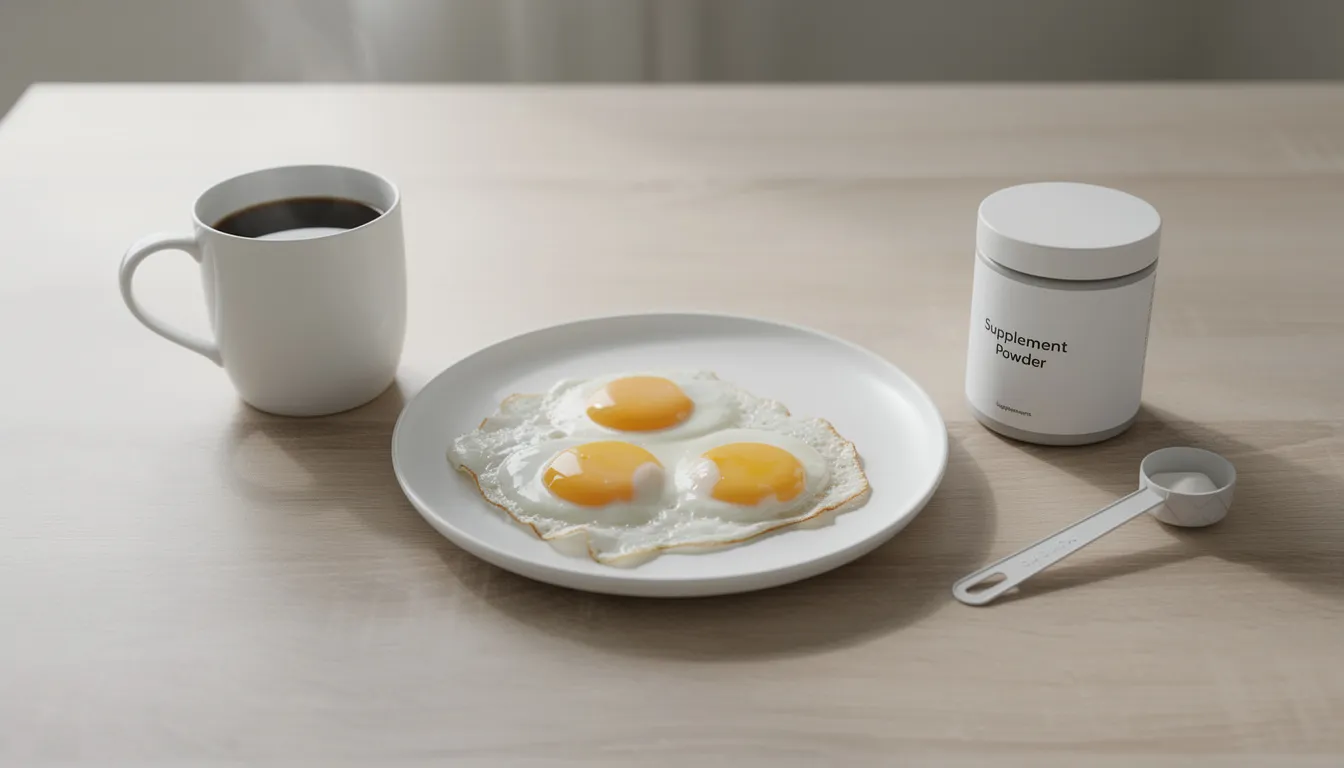
Convenience and habit formation: A simple “everyday” rule—like 5 g with breakfast—reduces missed doses compared to only taking creatine on workout days. Consistency beats complexity.
Are There Downsides to Taking Creatine on Rest Days?
For most healthy people, downsides are minimal at standard doses. But let’s address the common concerns:
Water weight: Creatine can increase intracellular water in muscles by approximately 1–2 kg during the first weeks. This water retention occurs mainly in muscle tissue, not as subcutaneous bloat. Most fitness enthusiasts view this as a benefit, not a drawback.
Digestive issues: Some people experience mild stomach upset with large single doses. If this affects you, try splitting your daily dose (2 x 2.5 g) or taking creatine with food on rest days.
Kidney concerns: Studies in healthy participants—even those lasting multiple years—show no harm at normal doses (3–5 g daily). However, people with pre-existing kidney disease must consult their physician before use.
Cost and “waste” perception: Basic creatine monohydrate costs roughly $15–25 for a multi-month supply at 3–5 g/day. Skipping rest days likely reduces your overall benefit more than it saves money. The popular supplement delivers excellent value.
How to Take Creatine on Rest Days
Dosing on rest days is straightforward: take the same dose as workout days, but timing can be more flexible since you’re not coordinating around training.
For most adults, a typical maintenance dose of 3–5 g/day of creatine monohydrate daily works well. Larger individuals (over 200 lbs) may benefit from the higher end; smaller individuals can use the lower end. Adjust based on your body weight and dietary intake from meat.
Since no workout is happening, you don’t need to time creatine around training. Instead, pick a convenient fixed time like breakfast or lunch. Consistency matters more than precision.
If you’re prone to stomach upset when taking supplements on an empty stomach, pair creatine with a meal or snack including carbs and protein on rest days. This also supports creatine absorption through modest insulin release.
Practical habits for consistency:
-
Pre-measure creatine into a shaker the night before
-
Set phone reminders for your daily dose
-
Store creatine near your coffee, vitamins, or pre workout supplements
-
Take it at the same time every day to build an automatic habit
Creatine During Loading vs. Maintenance Phases
Understanding loading and maintenance phases helps you know what to expect with consuming creatine.
Loading phase (optional but faster):
-
Protocol: ~20 g/day split into 4 x 5 g doses for 5–7 days
-
Include all rest days during this period
-
Achieves near-saturation within about one week
-
May cause more water retention and occasional GI discomfort with higher doses
Maintenance phase (long-term approach):
-
Drop to 3–5 g/day after loading
-
Take every day—workout and rest days alike—to keep levels high
-
Most research confirms this lower maintenance dose maintains saturation indefinitely
Skipping loading entirely: Simply take 3–5 g daily for 3–4 weeks to reach saturation. This approach is gentler on the stomach and equally effective over time. Either way, rest-day dosing is essential to reach and maintain muscle creatine stores saturated.
Best Time of Day to Take Creatine on Rest Days
On rest days, the exact time is not critical. What matters is that you take creatine consistently.
Research comparing morning versus evening dosing shows no meaningful difference in long-term muscle or strength outcomes. The “best” time is whatever time you’ll actually remember.
Timing recommendations:
-
Choose a time you rarely miss—with breakfast, your first protein shake, or your largest meal
-
If you typically take creatine with your pre workout on training days, maintain the same clock time on rest days
-
People with sensitive stomachs often do better taking creatine with food earlier in the day rather than late at night
-
Antonio J and colleagues found that post-exercise timing showed slight advantages, but on rest days, any consistent time works
Drink plenty of water throughout the day. Stay hydrated regardless of when you take your dose.
What to Combine Creatine With on Rest Days
You don’t need complex stacks. Basic pairings with food and other common supplements are usually enough to support performance and recovery.
Carbohydrates: Carbs raise insulin, which can modestly enhance creatine uptake into muscle cells. However, large extra carb loads are unnecessary unless mass gain is your primary goal. A normal meal with some starches works fine.
Protein: Taking creatine alongside a protein-rich meal or shake (whey, chicken, Greek yogurt) supports muscle recovery on rest days. Aim for your daily protein target of roughly 1.6–2.2 g/kg body weight.
Electrolytes and fluids: Good hydration supports creatine’s function and may reduce cramps or headaches some people mistakenly attribute to creatine (usually dehydration). Stay hydrated throughout the day.
Other supplements: Creatine is compatible with common products like whey protein, caffeine (coffee), beta-alanine, and multivitamins. Creatine supplements work well as part of a broader sports performance stack, assuming no individual contraindications.
Practical Rest-Day Stack Examples
Here are concrete examples illustrating simple rest-day routines for different goals:
For muscle gain:
-
5 g creatine + oatmeal + eggs or protein shake at breakfast
-
Target at least 1.6–2.2 g protein/kg body weight across the day
-
Include adequate calories to support muscle growth
For fat loss (cutting phase):
-
3–5 g creatine in water or calorie-free drink
-
Take with a moderate-protein meal
-
Keep calories controlled while preserving muscle mass
For busy schedules:
-
5 g creatine mixed into your first coffee, smoothie, or greens drink
-
Ensures adherence on days when you don’t go to the gym
-
Takes less than 30 seconds
For improved endurance and high intensity activities:
-
5 g creatine with a balanced meal containing protein and carbs
-
Focus on overall hydration and electrolyte balance
Choose the simplest option you can repeat daily. Optimal results come from consistency, not complexity.
How to Maximize Your Rest Days (Beyond Creatine)
Creatine is just one piece of the recovery puzzle. Your rest-day habits amplify its benefits and determine how well you perform in your next training session.
Nutrition: Consume adequate calories (unless in a deliberate cutting phase) and hit your protein target of roughly 1.6–2.2 g/kg body weight daily. This supports muscle protein synthesis and resistance exercise recovery.
Hydration: Aim for pale-yellow urine as a hydration marker. Adjust fluid intake based on climate, body size, and training volume. Proper hydration supports creatine’s function in muscle cells.
Sleep: Target 7–9 hours per night. Sleep is when growth hormone peaks and most tissue repair occurs. Sacrificing sleep undermines both creatine’s benefits and your training adaptations.
Active recovery: Light activities like walking, easy cycling, or mobility work promote blood flow without adding serious fatigue. This helps deliver nutrients to muscles and remove metabolic waste products.

Rest-Day Lifestyle Tips
These practical, easy-to-implement ideas work alongside your creatine use to maximize results:
-
Plan meals: Prepare protein-rich meals in advance on rest days so post-workout nutrition on training days becomes simpler and more consistent.
-
Monitor progress: Use rest days to log body weight, strength trends, and subjective energy levels. This helps you see whether creatine and your training program are working over time.
-
Manage stress: Short daily practices—5–10 minutes of breathing, stretching, or mindfulness—reduce chronic stress that can blunt recovery and sports performance.
-
Limit excess alcohol: Heavy drinking on rest days interferes with muscle protein synthesis and hydration, potentially counteracting creatine’s benefits. Moderate or skip alcohol on recovery days for optimal results.
-
Respect the recommended dosage: More isn’t better. Stick to 3–5 g daily and trust the process. Higher doses don’t accelerate results and may cause digestive discomfort.
FAQ
Do I need to cycle off creatine, including on rest days?
Most current research suggests healthy individuals don’t need to cycle off creatine. Many studies run 6–24 months of continuous daily use without serious side effects. Cycling is optional and mainly a personal preference—not a requirement for safety or effectiveness. Your body doesn’t build tolerance to creatine the way it might to caffeine.
Will taking creatine on rest days make me gain fat?
Creatine itself contains no calories and does not directly cause fat gain. Early weight increases (typically 1–2 kg in the first weeks) come from extra water stored inside muscle tissue, not body fat. Fat gain only occurs if your overall calorie intake exceeds your expenditure—creatine has nothing to do with that equation.
Is it okay to take creatine on rest days if I’m not lifting that week?
Yes. Continuing creatine during a vacation, deload week, or light training period helps maintain muscle creatine levels and preserve strength and lean mass. If your break extends several months, stopping is fine, but you’ll need time to re-saturate when you restart supplementation.
Should teenagers or beginners take creatine on rest days?
For late teens and adult beginners who are resistance training regularly and eating well, creatine can be appropriate with parental and medical guidance. Training technique, sleep, and diet matter more than supplements at the start. However, if creatine is used, it should still be taken consistently—including rest days—to achieve the same effects experienced lifters see.
Can I switch forms (e.g., monohydrate on workout days and creatine HCl on rest days)?
Consistency in total daily dose matters more than the exact form. Creatine monohydrate has the strongest evidence base from decades of research. If you prefer creatine HCl for stomach comfort, use it every day. Mixing forms is safe but unnecessary—choose one you tolerate well and take it daily for simplicity.



Leave a comment
This site is protected by hCaptcha and the hCaptcha Privacy Policy and Terms of Service apply.