

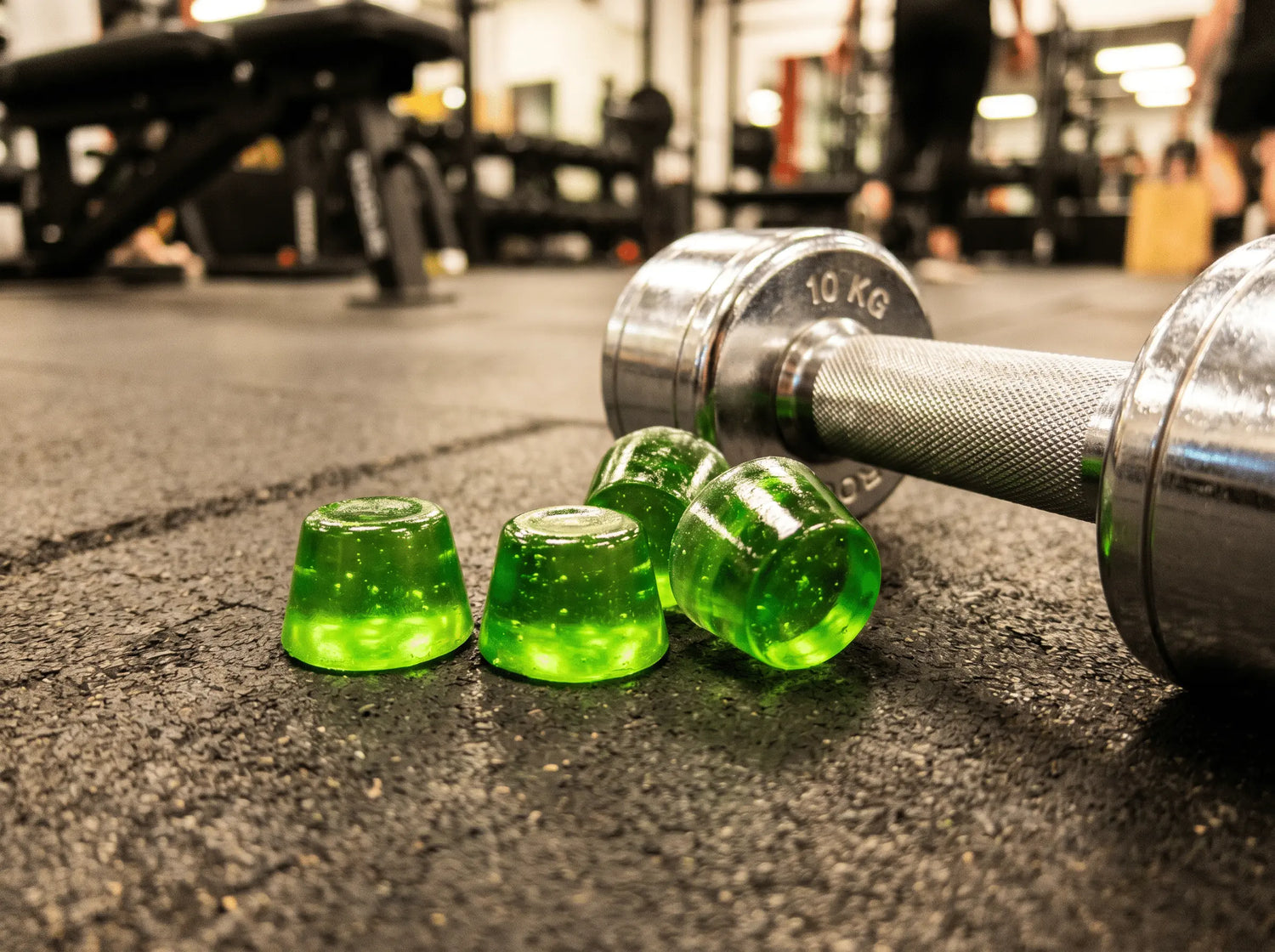
If you want the simplest answer to how much creatine per day to build muscle, start here.
-
Most lifters can skip the loading phase and take 3–5 grams of creatine monohydrate per day to build muscle.
-
Creatine loading is optional: 20–25 grams daily for five to seven days, then a maintenance dose of 3–5 grams daily.
-
A loading dose saturates muscles faster, but it is not necessarily “better” for long-term muscle growth.
-
Creatine supplements safe use is well supported in healthy individuals, but anyone with kidney disease or complex health issues should talk to a healthcare provider first.
-
Creatine also supports high intensity exercise, athletic performance, muscle recovery, brain health, and workout performance, but results still depend on resistance training, protein, calories, and sleep.

What Is Creatine And Why It Matters For Building Muscle
Creatine is a naturally occurring compound stored mostly in skeletal muscles and partly in the brain. Your body produces creatine from amino acids, mainly in the liver, kidneys, and pancreas, while protein rich foods like meat, fish, and dairy provide about half of your body's supply; the other half comes from internal production.
During intense exercise, creatine becomes phosphocreatine, helping regenerate adenosine triphosphate, or ATP. That means your muscles get more energy for heavy sets, sprints, and other high intensity physical activity. Creatine helps your muscles work harder by providing an extra boost of energy, which can lead to greater muscle growth over time.
Creatine supplements raise creatine levels beyond what diet usually provides. Among other forms, creatine monohydrate is the most affordable, effective, and widely researched form of creatine available, with strong evidence for muscle mass, muscle strength, and exercise performance.
Exactly How Much Creatine Per Day To Build Muscle
For most adults, the answer to how much creatine you need is 3–5 grams of creatine daily. Taking creatine monohydrate in that range is enough to support strength gains, lean body mass, and more muscle when paired with strength training.
Here are the two main options:
-
No loading: take creatine at 3–5 grams per day. This usually saturates muscles in about 3–4 weeks while you continue normal training.
-
Loading phase: take 20–25 grams per day for 5–7 days, then drop to 3–5 grams per day.
Larger strength athletes may use 5–10 grams per day, especially with high-volume training. Smaller lifters often do well with 3 grams of creatine.
Creatine Loading Phase: How It Works
Creatine loading is an optional way to raise muscle stores faster. During a creatine loading phase, the standard dose is 0.3 grams per kilogram of body weight, divided into four doses each day for five to seven days.
For example, a 70 kg person would take about 21 grams daily, often as four doses of roughly 5 grams. Splitting doses helps reduce stomach discomfort.
To saturate muscles faster, an optional loading phase involves taking 20 to 25 grams of creatine per day for 5 to 7 days followed by a maintenance dose of 3 to 5 grams daily. Long-term results are similar if you simply take 3–5 grams per day from the start.
Maintenance Dose: Long-Term Creatine Daily Intake
Once muscles are saturated, you need less much creatine to maintain stores. A simple rule is about 0.03 grams per kg of body weight per day.
|
Body weight |
Practical maintenance dose |
|---|---|
|
60 kg |
3 g/day |
|
80 kg |
4–5 g/day |
|
100 kg |
5–7 g/day |
The general recommendation for creatine supplementation is 3 to 5 grams per day for maintenance after an initial loading phase. After the loading phase, the maintenance dose of creatine is typically around 3 to 5 grams per day, which is considered safe for long-term use.
Going far above maintenance, such as 15–20 grams daily long term, does not increase muscle mass faster and may increase stomach upsets.
Factors That Affect Your Ideal Creatine Intake
The best daily dose can vary by body size, diet, training style, and health status.
-
Body weight and lean mass: larger athletes store more creatine, so they may need the upper end.
-
Training type: creatine supplementation is most useful for resistance training, sprinting, HIIT, and repeated high intensity efforts.
-
Diet: vegetarians and vegans may respond strongly because baseline creatine levels are often lower.
-
Age and health: older adults may benefit, but anyone with medical conditions should get guidance.
For adults engaged in resistance training, maintaining consistent creatine intake is important for retaining muscle creatine stores.
When Higher Daily Creatine Doses Make Sense
Some strength athletes use 6–10 grams daily, split into two servings, such as morning and post-workout. This may help very large lifters or people training hard several days per week.
If you see no significant changes after 4–6 weeks at 3 grams per day, and training and nutrition are solid, you might trial 5–7 grams daily. Keep single servings reasonable and involve a healthcare provider if there are concerns.
Best Time And Best Way To Take Your Creatine Supplement
Timing matters less than consistency. Still, for optimizing absorption, it is best to take creatine with a meal containing carbohydrates or protein.
That could be breakfast, a post-workout shake, whey protein, or even fruit juice with a meal. On rest days, take creatine with any regular meal.
Hydration is essential when taking creatine, as it draws water into muscle cells to help them grow and repair.
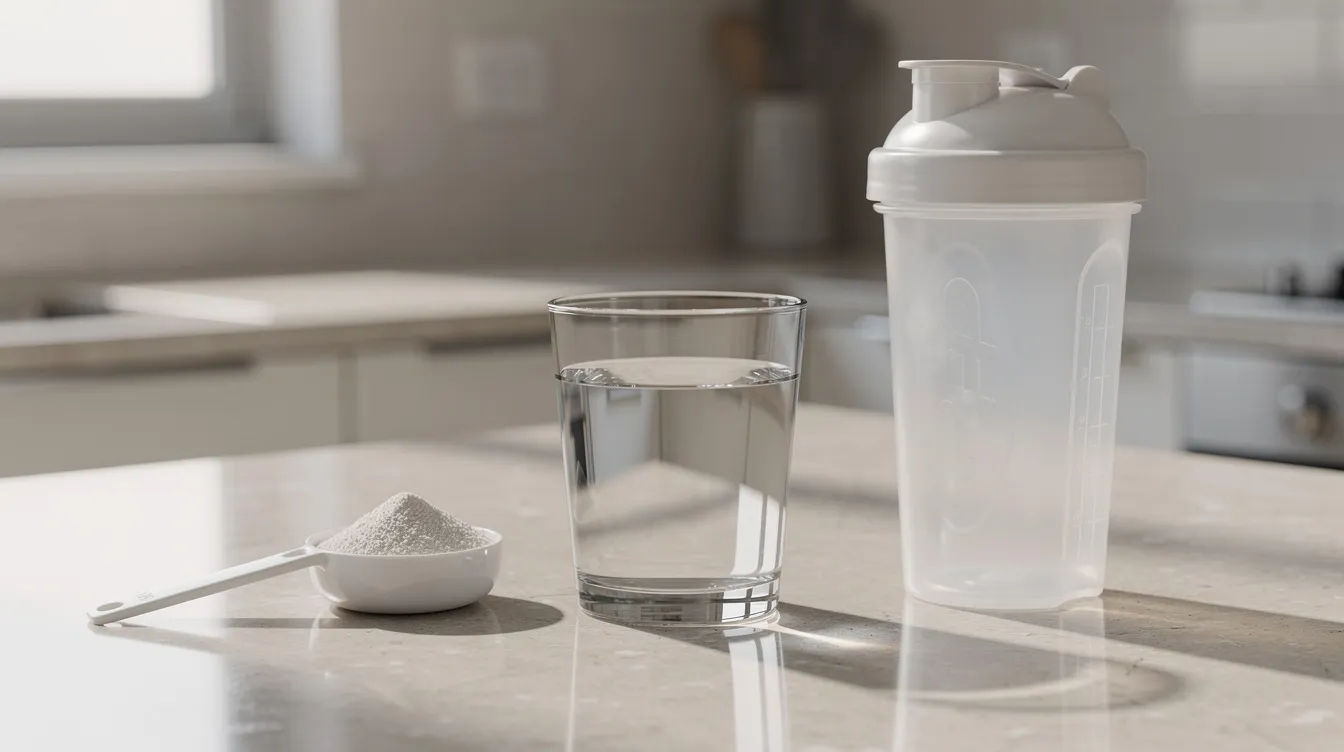
Creatine Forms: Powder, Capsules, And Pre-Workouts
Creatine monohydrate powder is the gold standard in sports nutrition. Capsules work, but you may need several to reach a full daily dose.
Many pre-workouts contain only 1–2 grams, so check labels carefully. If your pre-workout is short, add powder to reach your target grams of creatine. Taking creatine supplements from “fancy” forms like HCl or buffered creatine has no consistent advantage over monohydrate for building muscle.
What You Can Expect From Creatine: Muscle, Performance, And Brain Health
The effects of creatine are practical: more reps, heavier loads, better repeated sprint ability, and improved workout performance over time. Research suggests creatine can help improve athletic performance by up to 30% and increase muscle mass by 7%, though results vary by training, diet, and baseline status.
Creatine supplements may increase body weight early through water retention inside muscle. This weight gain usually makes muscles look fuller rather than soft or puffy.
Creatine supplementation may hasten muscle recovery after strenuous exercise, potentially due to its role in promoting glycogen storage in muscle, which is essential for the healing process. Research indicates that creatine can help reduce inflammation, which promotes faster muscle recovery after exercise, allowing individuals to return to their workouts sooner.
The typical recovery period for muscle groups is 48-72 hours, but daily creatine supplementation may reduce this recovery time. Taking creatine daily can reduce recovery times, allowing individuals to return to the gym sooner and potentially leading to increased muscle growth.
Creatine may also support cognitive function. A review in Nutrition Reviews found potential benefits for short term memory and mental fatigue, especially in older adults or stressful conditions.
How Fast Will You Notice The Effects Of Creatine?
With a loading phase, some people feel stronger within 5–7 days. Without loading, strength and muscle growth usually become more measurable after 3–4 weeks.
The full potential benefits often show after 8–12 weeks of progressive resistance training. Track lifts like squat, bench press, and deadlift, plus measurements, not only scale weight.
Are Creatine Supplements Safe? Side Effects, Myths, And Precautions
Creatine monohydrate is a popular supplement and one of the most studied supplements in sports nutrition. The International Society of Sports Nutrition position stand, led by researchers including Antonio J, reports strong safety and performance evidence; you may also see this cited in int soc sports nutr discussions.
Creatine supplementation is generally considered safe for most people when taken in recommended doses, but some individuals may experience minor side effects such as muscle cramping, dehydration, and stomach upsets.
Studies have shown that taking creatine supplements at recommended doses does not raise creatinine levels above normal or impact kidney function, dispelling the myth that creatine harms kidney health. Creatine is not a steroid, does not directly raise testosterone, and has not been shown to cause hair loss in healthy adults.
People with kidney disease, significant liver issues, or complex medical histories should ask a healthcare provider before using creatine.
How Much Creatine Is Too Much?
Short-term research often uses 20 grams daily for about a week. Long-term, 3–5 grams is standard, while around 10 grams daily is usually the upper practical range.
Experts recommend keeping a single dose of creatine below 10 grams to minimize potential gastrointestinal issues, and it is advised to follow the directions on supplement packaging or consult a healthcare professional.
Excess creatine is converted to creatinine and excreted in urine. If persistent bloating, cramps, or stomach discomfort occur, reduce the dose or stop taking creatine and seek medical advice.
How Creatine Fits Into Your Overall Muscle-Building Plan
Using creatine works best when the rest of your plan is built properly.
-
Train with progressive overload and compound lifts.
-
Eat enough protein, roughly 1.6–2.2 g per kg of body weight daily.
-
Keep calories high enough to build muscle; during weight loss, creatine may help preserve strength, but it cannot fully overcome a calorie deficit if you want to lose weight.
-
Sleep 7–9 hours and manage stress.
Some athletes also use other supplements such as electrolytes, whey protein, or legal cannabinoid wellness products from brands like QUOR at quor.store as part of a broader recovery routine.

FAQ
Do I really need a creatine loading phase to build muscle?
No. A loading phase only saturates muscles faster. You can take 3–5 grams daily and reach the same general saturation level in a few extra weeks.
Should I cycle on and off creatine, or can I take it year-round?
Healthy individuals do not need to cycle creatine. Many lifters use it year-round at recommended doses, while staying hydrated and monitoring how they feel.
Is creatine safe for women and older adults who want to build muscle?
Yes, creatine has been studied in women and older adults and appears safe at standard doses for healthy people. Anyone on medication or managing health concerns should ask a healthcare provider first.
Can I take creatine on rest days, or only on workout days?
Take creatine daily, including rest days. Consistency keeps muscle stores elevated and supports ongoing muscle recovery.
What if I don’t eat meat or fish-will creatine work better for me?
It might. Plant-based athletes often start with lower creatine stores, so creatine supplements can produce noticeable improvements in energy, muscle strength, and exercise performance.


Leave a comment
This site is protected by hCaptcha and the hCaptcha Privacy Policy and Terms of Service apply.