

-
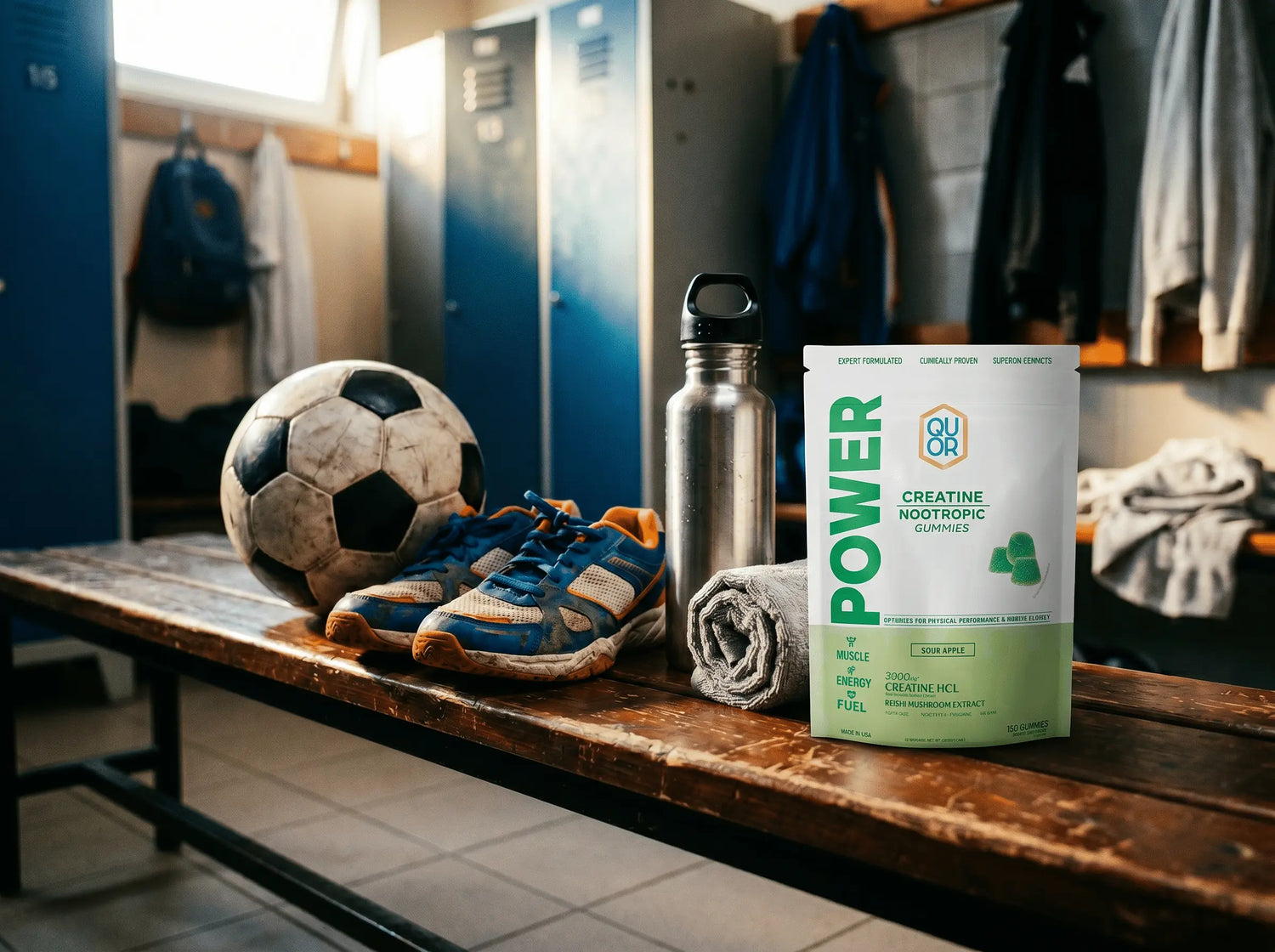
Creatine monohydrate appears generally safe for healthy teens 16+ at 3–5 grams daily under supervision, but long-term data under 18 are limited.
-
Most teenagers gain more from sleep, sports nutrition, training, and a balanced diet than from any creatine supplement.
-
The International Society of Sports Nutrition allows cautious creatine use for post-pubertal athletes; the American Academy of Pediatrics and American College of Sports Medicine do not recommend creatine use for individuals under 18 years of age due to insufficient evidence on long-term effects.
-
Teens with kidney, liver, or metabolic conditions should not take creatine without approval from a specialist.
-
QUOR at quor.store focuses on adult 21+ cannabinoid wellness products; this article is informational only, not medical advice or a product recommendation.

What Is Creatine and Why Are Teens Interested in It?
Creatine is a natural compound made from amino acids, the building blocks of protein. The body stores most creatine in muscles, where it helps recycle energy during short bursts of high intensity exercise.
Creatine supplementation may help athletes build muscle, increase lean muscle mass, and improve athletic performance in sprinting, jumping, football, soccer, and powerlifting-not long-distance endurance. Creatine monohydrate is the most researched form and the gold standard among creatine supplements.
Interest often starts with protein powder, then progresses to taking creatine when social media makes creatine use look essential for teens who want to build muscle quickly.
Is Creatine Safe for Teens? What Current Research Shows
So, is creatine safe for teens? Evidence in adults is strong; research in adolescents is smaller but generally reassuring when dosing is correct.
Creatine supplementation has been studied since the 1990s, and hundreds of adult trials show no increase in serious side effects versus placebo at 3–5 g/day. Scientific studies conducted among adults show that some creatine users may see a modest 3 to 5 percent increase in performance, particularly in high-intensity resistance training.
Several small studies in teen athletes, roughly ages 12–18, have not found harm to kidneys or liver over months of supervised creatine use. Still, there is virtually no scientific evidence assessing the safety or effectiveness of creatine in adolescents compared with adult evidence, and studies on the long-term effects of creatine use in teens are limited. There are few studies lasting multiple years.
No high-quality research shows creatine stunts growth, damages bones, or acts like anabolic steroids. A 2019 study reported that 25.3% of adolescent athletes used a creatine supplement, showing how common supplement use is among young athletes.
Official Positions and Medical Guidance on Creatine Use in Adolescents
Different health professionals read the same safety evidence differently.
The International Society of Sports Nutrition notes that creatine can be an acceptable strategy for post-pubertal teen athletes engaged in serious, supervised training who consume a well balanced diet. The age group of 16 to 18 years old is where creatine use is most prevalent, especially those involved in competitive supervised sports with optimized diet.
By contrast, the American Academy of Pediatrics and the American College of Sports Medicine recommend that teenagers should not use performance-enhancing supplements, including creatine, due to insufficient evidence on long-term effects. Most high school and NCAA rules do not list creatine as one of the banned substances, but teams may still restrict sports supplements.
Families should treat creatine as a sports medicine decision and speak with a pediatrician, registered dietitian, or sports medicine physician first.
Potential Benefits of Creatine Supplementation for Teen Athletes
Benefits mainly apply to a teen athlete doing structured high-intensity training, not casual gym exercise.
Short-term studies indicate creatine may enhance performance by supplying immediate energy to muscles during short, high-intensity bursts of activity, making it ideal for sports like soccer and football. Creatine supplementation can help athletes have short bursts of intense exercise with short recovery times, such as sprinting and powerlifting, and can increase lean muscle mass.
Creatine may also support recovery and help perform more quality reps. Emerging data suggest creatine may help reduce the incidence of muscle cramping, heat illness, and sports injuries. Teens eating little red meat or fish may benefit more, but calories, protein rich foods, sleep, and coaching still matter more.

Risks, Side Effects, and Common Myths About Creatine in Teens
Common side effects of creatine supplementation include weight gain due to water retention, nausea, diarrhea, dizziness, and excessive sweating, which may require dosage adjustments or medical consultation. Creatine may cause side effects like stomach cramping, dehydration, and mild weight gain if improperly dosed or if hydration is inadequate.
Current data show healthy adults and supervised teens usually keep normal kidney and liver markers at standard doses. However, studies have reported potential side effects of creatine use in teens, including kidney problems, dehydration, muscle cramps, and compartment syndrome, but there is a lack of comprehensive research on these risks in this age group. Creatine use in teenagers has been associated with potential side effects such as kidney problems, dehydration, muscle cramps, and compartment syndrome, which can prevent blood flow to muscles.
Myths to clear up:
-
Creatine is not anabolic steroids and does not work through hormones.
-
Research does not show creatine delays puberty or stunts growth.
-
Creatine does not automatically cause dehydration, but teens who do not drink enough water face a higher risk of dehydration and muscle tightness when using creatine, as it draws water into muscle cells.
Who Should Avoid or Be Extra Cautious With Creatine?
Creatine is contraindicated for any teenager with pre-existing kidney disease or underlying renal dysfunction because it alters how the body processes fluid and filtering. Teens with kidney stones, uncontrolled blood pressure, diabetes, major liver disease, or nephrotoxic medications need specialist approval.
Weight-cutting sports raise dehydration risk. Stop and seek care for persistent nausea, severe muscle cramps, dark urine, unusual fatigue, or weakness. Anyone pregnant, breastfeeding, under age 16, or any child outside supervised clinical care should avoid creatine supplementation.
Recommended Dosing and Safe Creatine Use for Older Teens
If parents and a clinician approve use creatine, routine matters. For adolescents, a standard daily dose of 3-5 grams of creatine monohydrate is generally recommended to saturate muscle stores within 3-4 weeks.
Skip aggressive loading. Mega-doses can worsen digestion without adding much effectiveness. It is advised that if a teenager insists on taking creatine, they should do so under the supervision of a healthcare provider to ensure proper dosing and monitoring.
Proper hydration and steady water intake are essential. Schedule check-ins if supplementation continues for months.
How Teens Should and Should Not Take Creatine
Creatine can be taken with a meal, juice, water, or simple protein shake. Avoid pre-workout formulas that combine creatine with stimulants.
Do not stack creatine with fat burners, high-caffeine boosters, mass gainers, or other supplements without review. Treat it like medication: consistent dose, no sharing, and track symptoms.
How to Choose a Quality Creatine Supplement
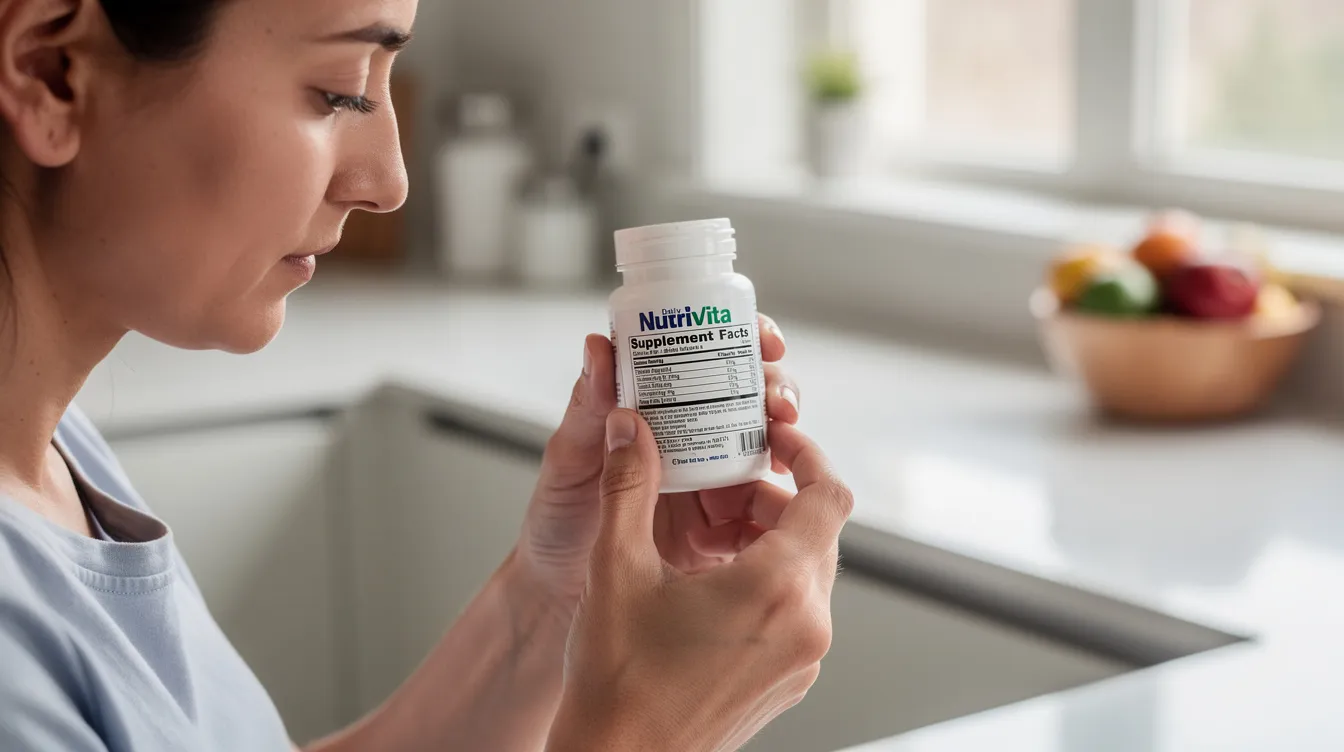
Creatine safe use depends on quality. Creatine is classified as a nutritional supplement and is not subject to federal regulations that ensure product safety or effectiveness, which raises concerns about the purity and quality of creatine products available to teens.
Dietary supplements are not strictly regulated by the FDA before they hit the market, which means some products may be contaminated with banned substances or heavy metals. Choose plain creatine monohydrate with no unnecessary additives, from brands using NSF Certified for Sport, Informed Choice, or accessible lab reports to ensure product safety.
QUOR at quor.store does not sell creatine or sports nutrition products; families should source a safe product from reputable sports-nutrition-specific brands, not random health food stores.
Red Flags on Creatine Supplement Labels
Avoid products with:
-
Proprietary blends hiding amounts
-
“Muscle mass in 7 days” claims
-
No batch number, expiration date, or Certificate of Analysis
-
Hormone boosters, exotic herbs, or stimulant blends
-
Influencer marketing aimed at kids while dismissing medical guidance
“Natural” does not guarantee health or product safety.
Safer Alternatives: Building Muscle and Performance Without Creatine
Before supplementation, fix the basics: 8–10 hours of sleep, progressive training, good form, and a balanced diet with enough calories.
Sports nutrition basics include regular meals, carbohydrates for training, and protein around 1.2–1.7 g/kg/day for active teens when guided by a dietitian. Eating beef, pork, and fish provides dietary creatine naturally, often about 1–2 g/day. Many teenagers do not need extra supplements to improve performance.
Talking With Your Teen About Creatine and Sports Supplements
Start with curiosity: “What have you heard, and why do you want it?” Correct misconceptions without shaming. Involve a sports dietitian, athletic trainer, or sports medicine physician so the advice does not come only from peers or influencers.
Also discuss body image, pressure from sports, and long-term health.
Where Does Creatine Fit for Families Who Already Use Other Wellness Products?
Some parents who shop at quor.store for adult cannabinoid wellness products may also have teens asking about creatine supplementation.
Creatine is a sports nutrition tool with a different purpose and risk profile than hemp-derived CBD or Delta-9 THC products for adults 21+. QUOR’s offerings are strictly for adults and are not intended for teen athletes. Keep cannabinoids, kratom, mushroom products, and any adult wellness items separate from a teen’s routine.
Model careful label reading, age limits, and open discussion about all supplements.
FAQ
Does creatine stunt growth or delay puberty in teenagers?
Current research does not show creatine supplementation interfering with height, growth plates, or puberty at standard doses in healthy teens. The confusion often comes from anabolic steroids, which affect hormones; creatine does not.
Is it safer for a 15-year-old to take creatine than to use energy drinks or pre-workouts?
Plain creatine monohydrate is generally lower-risk than stimulant-heavy pre-workouts, but medical groups still discourage creatine under 18. At 15, focus on sleep, hydration, nutrition, and coaching.
Can a teen get enough creatine from food without taking a creatine supplement?
Yes for general health, maybe not for performance saturation. Meat and fish provide about 1–2 g/day, while supplementation usually targets 3–5 g/day.
How long can a teen safely stay on creatine if a doctor has approved it?
Adult studies are reassuring for years, but teen long-term data are sparse. Use the lowest effective dose, consider periodic breaks, and monitor labs and symptoms.
Is creatine safe to combine with protein powder or other basic sports nutrition products?
Many adults combine simple protein powder and creatine safely. Teens should avoid all-in-one stacks, high caffeine, and unlisted ingredients; have a healthcare provider review everything first.


Leave a comment
This site is protected by hCaptcha and the hCaptcha Privacy Policy and Terms of Service apply.