

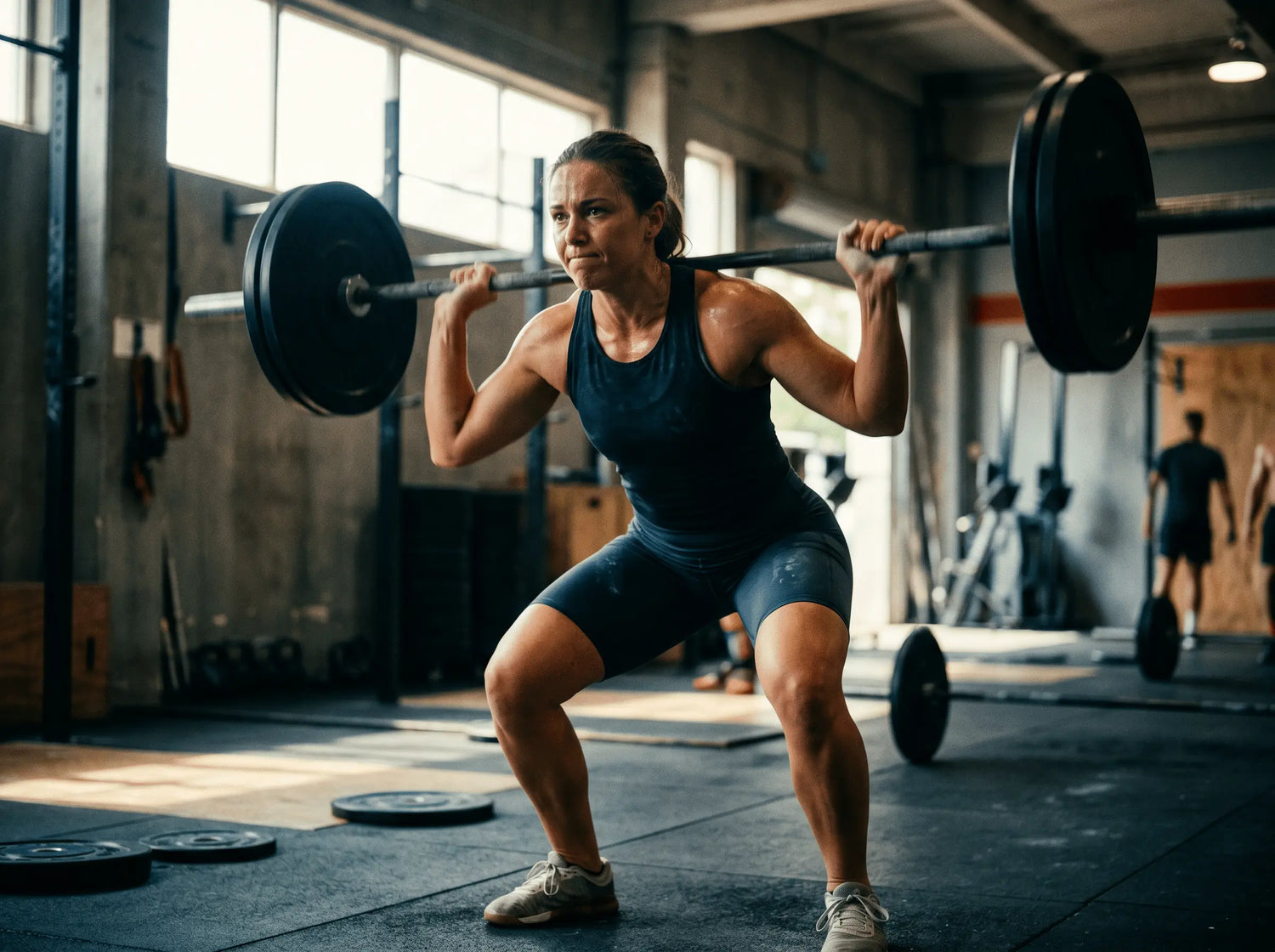
Creatine is one of the most researched supplements in sports nutrition, but the conversation has often centered on male athletes. Newer scientific evidence from 2020–2025 shows that the creatine benefits for women extend beyond muscle mass into exercise recovery, bone health, cognitive function, mood, and long-term muscle health.
-
The short answer: yes, creatine work can be very effective for women. Women typically have lower muscle creatine stores than men, and women naturally produce 70% to 80% less endogenous creatine than men, making creatine supplementation especially useful for muscle strength and training quality.
-
Creatine monohydrate is the most studied and effective form of creatine supplement, and the recommended dosage of creatine for women is typically 3 to 5 grams per day, which is sufficient to maintain adequate creatine levels in the muscles.
-
Creatine may support bone health, cognitive health, brain function, and mood, especially during the menstrual cycle, perimenopause, menopause, and periods of sleep deprivation.
-
Creatine is considered safe for women when used as directed, with extensive research supporting its safety profile. Early weight gain is usually mild cellular hydration inside muscle cells, not fat gain.
-
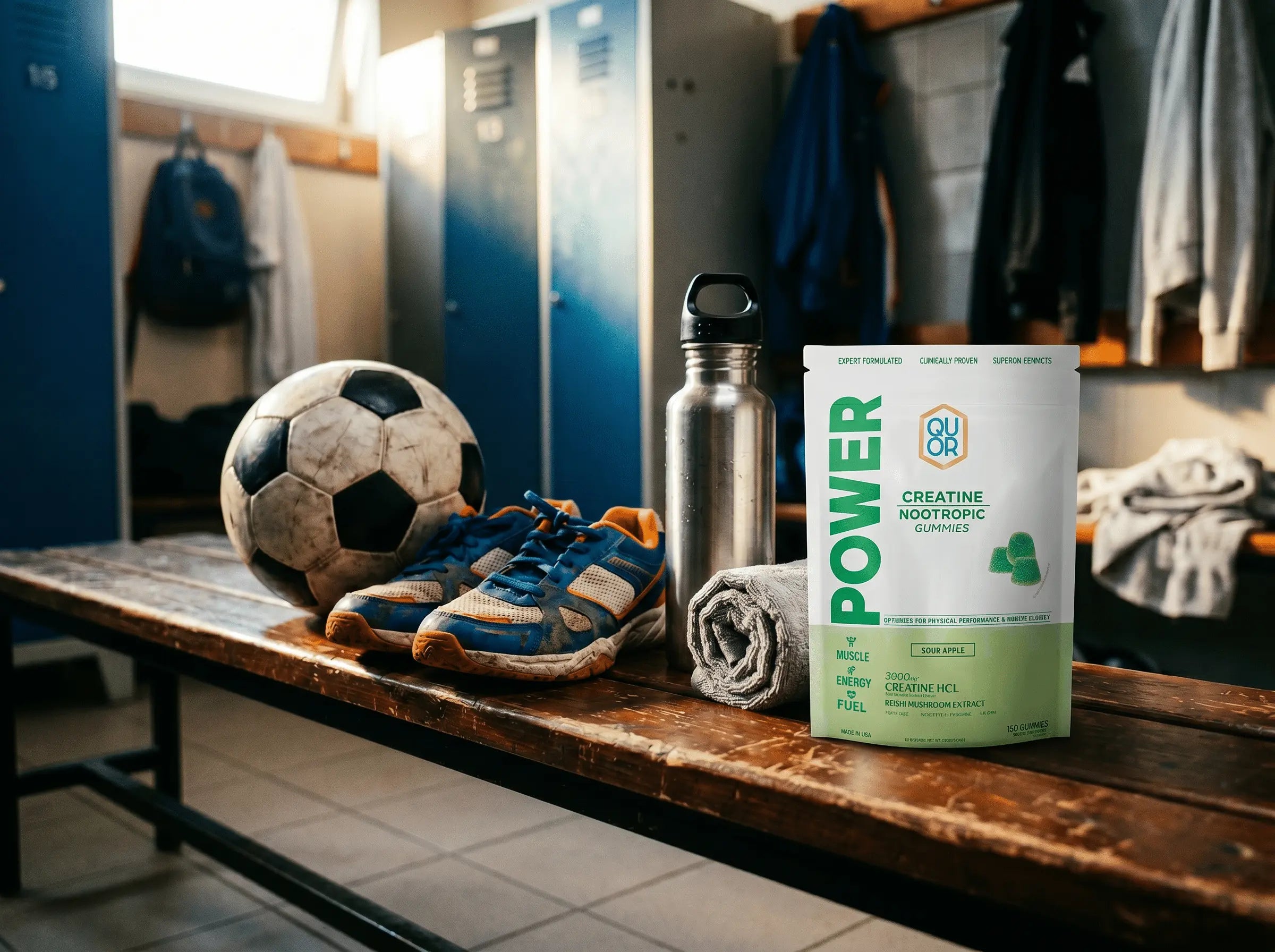
QUOR products, where relevant, fit the same wellness-first mindset: active women who already use cannabinoids, adaptogens, or mushrooms can view creatine as a daily staple for performance, strength, and brain energy.
What Is Creatine and How Does It Work for Active Women?
Creatine is a naturally occurring compound made in the liver and kidneys from amino acids, mainly arginine, glycine, and methionine. Creatine is stored primarily in skeletal muscle, where creatine is stored as phosphocreatine and used to regenerate adenosine triphosphate, or ATP.
ATP is the body’s fast energy currency. During high intensity exercise like lifting, sprints, HIIT, or heavy resistance exercise, ATP runs down quickly. Phosphocreatine helps rapidly rebuild ATP, which is why creatine aids in rapidly regenerating ATP during short, high-intensity movements, boosting power and strength.
Natural food sources include:
-
Red meat
-
Salmon
-
Herring
-
Cod
-
Pork
-
Small amounts in poultry and dairy
A balanced diet can provide some creatine, but many women do not get enough creatine from food alone. Plant-based eaters get almost none from diet, and cooking can reduce creatine content in meat and fish.
Creatine also pulls water into muscle cells. This cellular hydration supports better muscle performance, muscle growth signaling, and exercise recovery. Women generally have 70–80% lower muscle creatine stores than men, so taking creatine can have a noticeably positive effect for active women who train consistently.
Core Benefits of Creatine for Women
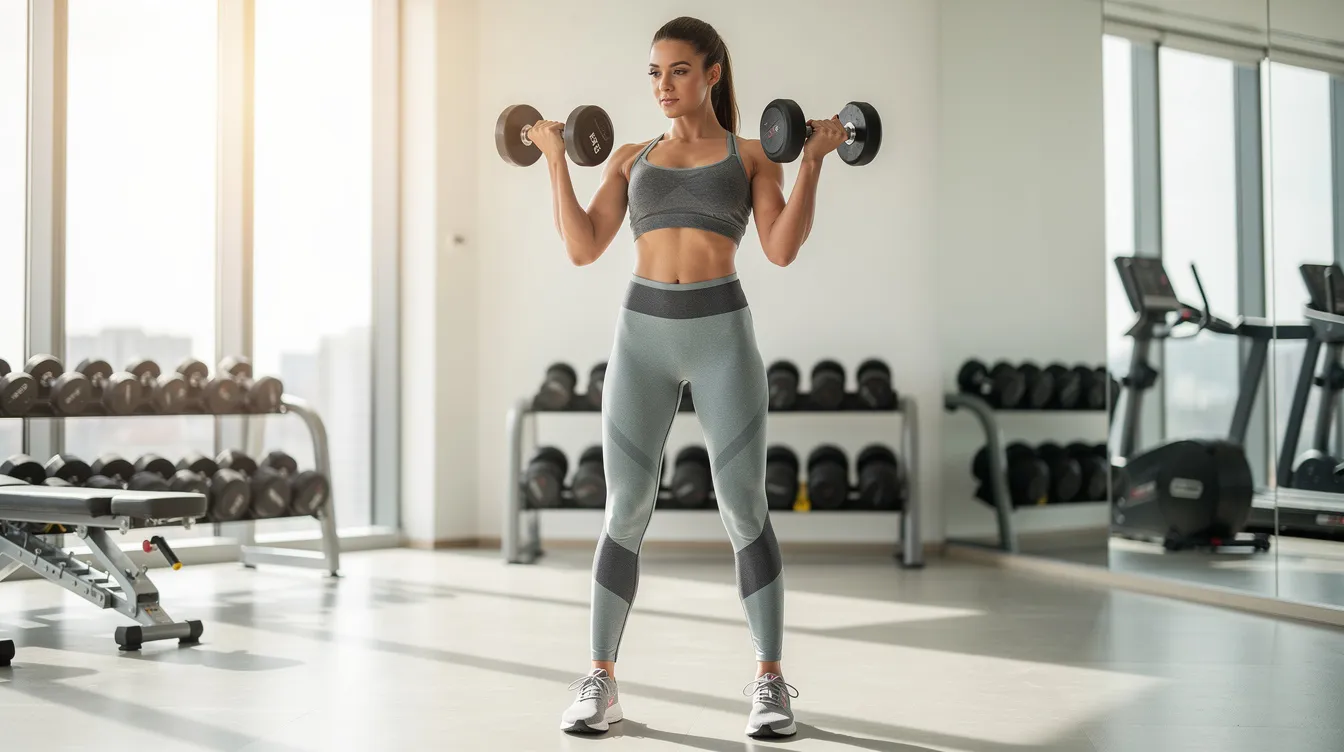
The benefits of creatine are easiest to understand in five categories: muscle mass, muscle strength, exercise recovery, bone health, and brain health. Research suggests that women may benefit at several life stages, not only during athletic training.
Current evidence shows that creatine supplementation may support:
-
Increased lean mass when paired with resistance training
-
Better muscle strength and power output
-
Improved exercise performance during sprints, HIIT, and repeated bursts
-
Greater training volume tolerance during lifting or sports performance
-
Better physical performance in high intensity intervals
-
Support for muscle health during aging and hormonal change
Creatine supplementation has been shown to improve muscle strength, power output, and exercise performance in women, particularly when combined with resistance training. Women typically have lower intramuscular creatine stores than men, making creatine supplementation particularly beneficial for enhancing muscle strength and performance in women.
Creatine improves recovery by mitigating muscle damage and promoting intracellular hydration. That means some women may feel less drained between hard sessions and can train more consistently.
The non-aesthetic benefits matter just as much. Creatine may help reduce age related muscle loss, support daily function, and indirectly protect bone mass by helping women lift heavier and move better. Emerging evidence also suggests creatine may support cognitive performance, reducing mental fatigue during stress, sleep deprivation, or hormonal transitions.
Creatine for Muscle Mass, Strength, and Exercise Recovery
Creatine promotes lean muscle mass when combined with resistance training, contrary to the belief that it causes bulky weight gain. For most women, the result is not a dramatic size change. It is more often firmer muscle, better performance, and gradual body composition improvement.
Here’s the practical way to think about it: creatine helps you do a little more work. You may complete one more rep, lift a slightly heavier weight, recover faster between sets, or finish the final interval with more power. Over weeks, that extra work can build muscle mass and muscle strength.
Creatine does not automatically make women “bulky.” Typical outcomes are improved lean mass, better athletic performance, and more defined muscle shape, especially when paired with 2–4 weekly strength sessions.
Creatine supports exercise recovery through several pathways:
-
Faster phosphocreatine resynthesis between sets
-
Better cellular hydration inside muscle cells
-
Potentially lower perceived fatigue and soreness
-
Improved training consistency across the week
This makes creatine supplements useful for:
-
Strength training
-
CrossFit and functional fitness
-
Soccer and field sports
-
Running sprints or hill intervals
-
Combat sports
-
High intensity studio classes
A review on creatine and women’s health notes that female athletes and active women may respond well because their baseline creatine stores can differ from those of male athletes and because creatine metabolism shifts across the lifespan. You can review the broader discussion in this peer-reviewed overview on creatine supplementation in women.
Creatine, Bone Health, and Longevity in Women
Bone density in women usually peaks in the 20s–30s. Later, bone loss accelerates when estrogen declines, especially after menopause. That is why bone strength becomes a major women’s health priority in midlife.
Creatine helps maintain bone strength and counters age-related loss when paired with strength training, which is particularly important as estrogen levels decline. Creatine supplementation, when combined with resistance training, has been shown to enhance bone strength by increasing muscle pull on bone and influencing cellular signaling involved in bone remodeling, particularly important for women post-menopause.
Make no mistake: within a broader women's health foundation for bone support, creatine is not a standalone bone supplement like calcium or vitamin D. It works best as an adjunct to lifting, adequate amounts of protein and other nutrients, sleep, and a nutrient-dense diet.
Research indicates that creatine can positively influence bone mineral density and improve structural indicators of bone strength in postmenopausal women, especially when paired with resistance training. The most consistent findings are often related to structural indicators of bone strength, such as bone geometry, rather than large jumps in bone mineral density alone.
A 2-year trial in postmenopausal women found that creatine plus training helped preserve measures of bone structure at the hip, even when traditional bone mineral density changes were limited. You can read the study summary on PubMed.
During perimenopause, creatine may support bone health by enhancing muscle strength and improving balance, which reduces the risk of falls and subsequent bone fractures. In real life, that can mean easier stair climbing, carrying groceries with more confidence, and maintaining independence for longer.
Creatine for Cognitive Function, Mood, and Brain Health
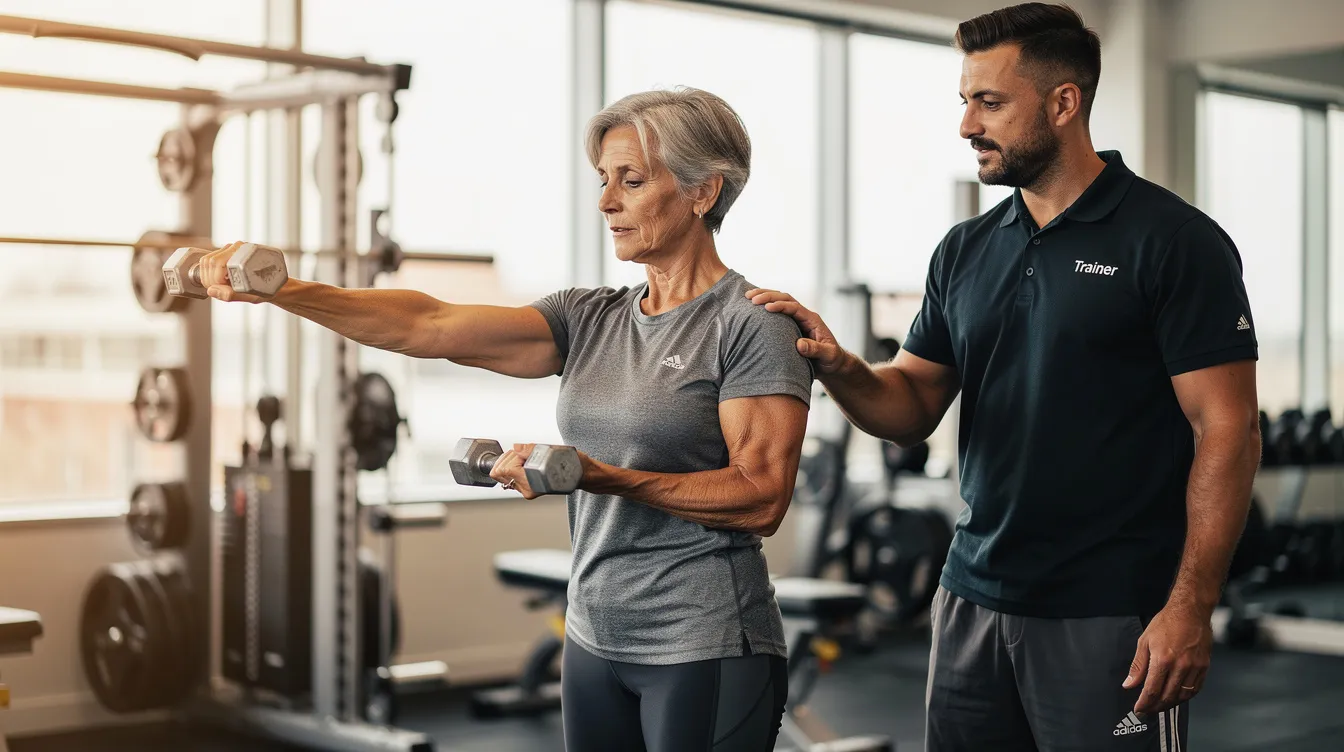
The brain also stores creatine and uses ATP heavily for attention, memory, processing speed, and mood regulation. Creatine supports energy production in the brain, helping to alleviate "brain fog" and improve memory and thinking skills during sleep deprivation.
Creatine supplementation has been associated with improvements in memory, processing speed, and mood regulation, particularly beneficial during periods of higher energy demand or metabolic stress such as sleep deprivation or hormonal transitions. This is one reason creatine is increasingly discussed for brain health, not just sports performance.
Research indicates that creatine may alleviate symptoms of depression and enhance cognitive function, making it a promising supplement for women experiencing mood disturbances during hormonal fluctuations. This does not mean creatine treats major depressive disorder or replaces medical care. It means early research and emerging data suggest creatine may be a useful support tool alongside appropriate professional treatment.
Creatine supplementation may support brain health by improving cellular energy availability and neurotransmitter balance, which can enhance cognitive resilience under stress and improve mood. For busy professionals, students, mothers, and caregivers, the most noticeable benefit may be steadier energy and less mental fatigue.
Hormonal shifts can also change brain energy demands. Female hormones fluctuate across the menstrual cycle, perimenopause, and menopause, and many perimenopausal women report brain fog, poor sleep, and attention dips. Creatine may help buffer those periods by supporting cellular energy.
A recent sleep-deprivation trial found cognitive benefits from acute creatine intake under stress conditions, supporting the idea that creatine may be most noticeable when the brain is under demand. See the study in Scientific Reports.
Creatine Across the Female Lifespan
Creatine benefits for women are not limited to 20-something gym-goers. The reasons for using it shift with age, training status, and hormonal stage.
For active young women in their late teens through 30s, creatine supports sports performance, muscle growth, strength, sprint capacity, and body composition. It may also support cognitive performance during exams, shift work, demanding careers, or sleep disruption.
For pregnant women and postpartum women, the conversation is more cautious. Creatine supplementation may aid women during times of high metabolic stress, such as menstruation, pregnancy, and post-menopause. Creatine supplementation may offer significant benefits during hormonal transitions such as pregnancy and menopause, helping to mitigate muscle and bone loss, weight gain, and fatigue. However, long-term human data in pregnancy and breastfeeding are still limited, so medical guidance is important.
For perimenopause in the 40s–50s, creatine may be especially practical. During perimenopause, creatine supplementation may help reduce fatigue and improve cognitive function, which are common complaints during this hormonal transition. It may also support bone health, balance, strength, and recovery as workouts start feeling harder.
For postmenopausal women, the goal is often longevity. Research indicates that creatine can help preserve muscle mass and strength in postmenopausal women, counteracting age-related muscle loss. Research suggests that creatine can help slow the loss of muscle and strength in postmenopausal women, making it particularly beneficial during this hormonal transition.
That matters because muscle loss is not just cosmetic. It affects walking speed, fall risk, independence, glucose control, and daily confidence.
How Much Creatine Should Women Take?
If you are wondering how much creatine to take, the simple answer is this: most women can use 3–5 grams per day of creatine monohydrate, taken any time of day. Many prefer mixing creatine powder into coffee, a smoothie, or a post-workout shake.
There are two common approaches:
|
Approach |
How it works |
Best for |
|---|---|---|
|
No loading |
3–5 g daily for 3–4 weeks |
Most women who prefer simplicity |
|
Loading phase |
About 20 g/day split into 4 doses for 5–7 days, then 5 g/day |
Faster saturation |
A creatine loading phase of approximately 20 grams per day for five to seven days can be used, followed by a maintenance dose of 5 grams per day, although a loading phase is not necessary for everyone.
Smaller or less active women may do well at 3 grams daily. Larger women, very active women, or those doing frequent high intensity exercise may benefit from 5 grams daily. Some people also dose by body weight, but fixed daily dosing works well for most.
Consistency matters more than timing. Taking creatine daily, including rest days, helps maintain creatine stores in muscle and brain tissue.
Women with kidney disease or other chronic medical conditions should consult their physician before starting creatine supplementation to ensure safety. Women who are pregnant or breastfeeding should also speak with a healthcare professional before adding creatine supplements.
Choosing a Creatine Supplement (From a Wellness-First Perspective)
Creatine belongs in the same category as other targeted wellness tools: quality matters. Just as QUOR emphasizes independent testing for hemp-derived cannabinoids and mushroom formulas, creatine supplements should be chosen with purity and transparency in mind.
Look for:
-
Creatine monohydrate as the main ingredient
-
Micronized creatine monohydrate for better mixability
-
Third-party lab testing for purity and heavy metals
-
Minimal additives, sweeteners, or fillers
-
Clear labeling of grams per scoop
Unflavored creatine powder is usually the easiest option because it mixes into coffee, smoothies, electrolytes, or protein shakes. The goal is simple: increase muscle creatine stores without complicating your routine.
Readers who already shop at quor.store for wellness products such as CBD, functional mushrooms, or THC alternatives can view creatine as a complementary daily staple for performance, strength, and brain energy.
Creatine and Women’s Wellness Routines at QUOR
Creatine can fit into a broader wellness stack that may already include cannabinoids, kratom, or mushroom supplements from quor.store. The key is to use each product intentionally rather than piling on everything at once.
For example:
-
Morning: 3–5 g creatine in coffee or a smoothie, alongside a functional mushroom blend for focus
-
Mid-day: a low-dose CBD routine for stress support, if tolerated
-
Evening: a responsibly dosed hemp-derived THC alternative for relaxation, where legal and appropriate
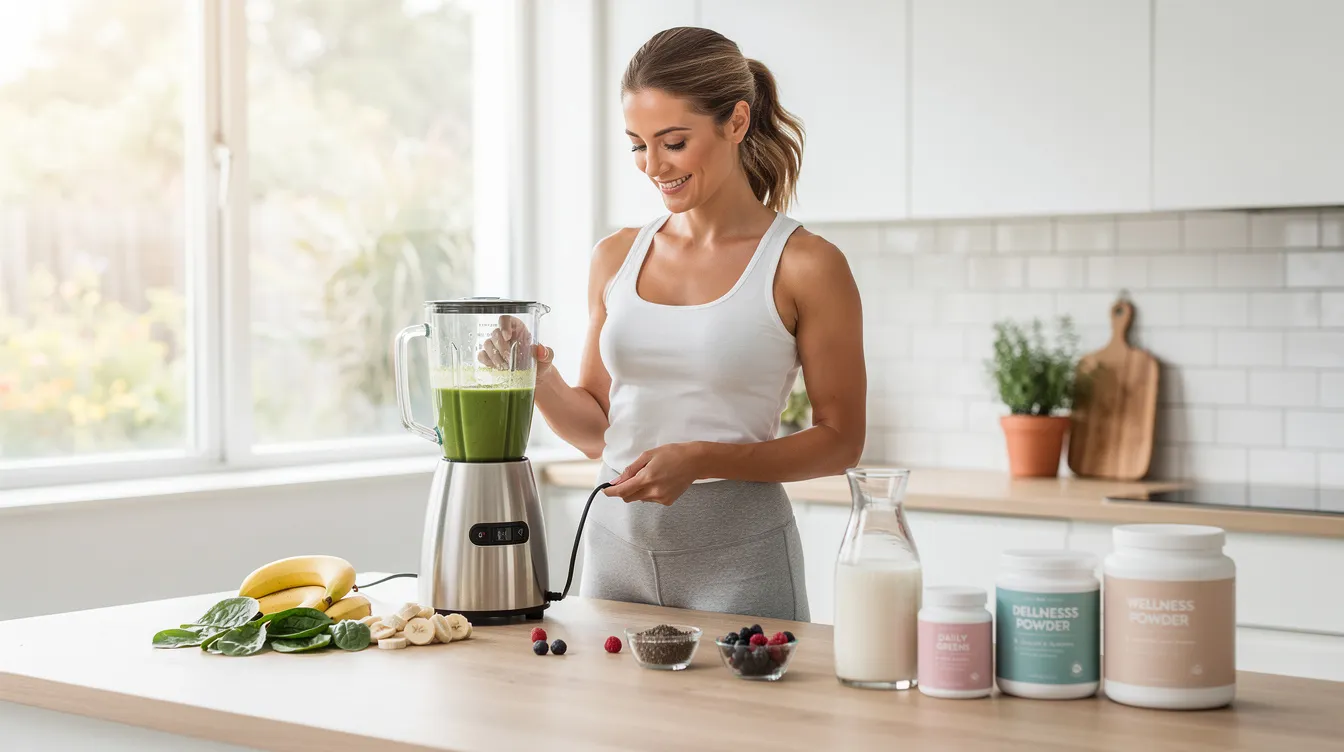
QUOR’s audience often includes active women balancing work, training, recovery, and stress. For them, creatine may be the foundational tool for muscle strength, exercise recovery, and cognitive function, while cannabinoids or mushrooms support relaxation, focus, or mood balance.
Start one product at a time. Track sleep, training, appetite, mood, and energy. That makes it easier to know what is actually helping.
Potential Side Effects, Myths, and Safety Considerations
Creatine is among the most studied sports supplements, with decades of safety data in healthy adults when used at recommended doses.
Myth 1: creatine damages healthy kidneys. Current evidence does not show kidney harm in healthy adults using recommended doses. Still, women with kidney disease, uncontrolled hypertension, or complex medical histories should consult a clinician.
Myth 2: creatine causes hair loss. There is no strong evidence that creatine inherently causes hair loss in women.
Myth 3: creatine disrupts estrogen or progesterone. Current data do not show that creatine disrupts female hormones.
Early weight gain, often 1–3 pounds, is usually water held inside muscle tissue. That intracellular hydration is part of how creatine supports performance. It is not the same as fat gain.
Possible minor side effects include:
-
Temporary bloating
-
Mild stomach upset
-
Cramping if taking large doses at once
-
Discomfort if fluid intake is too low
To reduce side effects, use micronized creatine, take it with food, drink adequate water, and avoid aggressive loading if you are sensitive.
FAQ: Creatine Benefits for Women
Will creatine make me look puffy or bloated?
Mild water retention inside muscle cells is normal and can support performance. Major bloating is uncommon with moderate daily doses of 3–5 grams.
To minimize bloating, skip high loading doses, choose micronized creatine, take it with food, and drink enough water. Most women notice more strength and muscle definition over time, not a puffy look.
Can I take creatine on days I don’t work out?
Yes. Creatine should be taken daily, including rest days, to keep muscle and brain creatine stores saturated.
Timing is flexible on non-training days. Take it with any meal. Consistency over weeks and months matters more than exact timing.
Is creatine helpful if I mostly do cardio and not much lifting?
Yes, especially if your cardio includes intervals, hills, sprints, spin classes, or repeated bursts. Creatine primarily supports short, high intensity efforts.
Endurance-focused women may still benefit from stronger finishes, better interval quality, and cognitive support. Adding two short strength sessions per week can unlock more muscle and bone health benefits.
Can I stack creatine with CBD, THC alternatives, or mushroom supplements from QUOR?
For most healthy adults, creatine can be used alongside responsibly dosed CBD, hemp-derived THC alternatives, or functional mushrooms because these products act on different systems. Creatine supports energy metabolism and phosphocreatine stores, while cannabinoids and mushrooms work through other pathways.
Start one product at a time to monitor tolerance. If you take prescription medications or have a complex health condition, check with a healthcare professional first.
How long does it take to notice the benefits of creatine?
With a loading phase, some women feel stronger or less fatigued within 7–10 days. Without loading, benefits usually build over 3–4 weeks of daily use.
Muscle mass, body composition, and bone health changes take longer. Track workouts, energy, sleep, and strength numbers for 8–12 weeks to see the full pattern.
Creatine is not just a gym supplement. For women, it can be a simple daily tool for strength, recovery, cognitive resilience, and long-term health. If you already build your wellness routine around quality ingredients from QUOR, creatine can be the energy-and-performance anchor that makes the rest of your routine work harder.


Leave a comment
This site is protected by hCaptcha and the hCaptcha Privacy Policy and Terms of Service apply.