


If you are trying to lose weight, creatine can feel confusing: some people call it a performance booster, while others worry it will make them gain weight. The short answer is that creatine does not burn fat directly, but it can support fat loss, strength, muscle retention, and better body composition when paired with training and nutrition.
Key Takeaways
-
Creatine does not directly melt body fat, but creatine supplementation can support fat loss by helping you train harder and maintain muscle in a calorie deficit.
-
A 2–6 lb rise in scale weight is usually water weight stored inside muscle cells, not belly fat, fat gain, or an increase in fat mass.
-
Creatine helps preserve lean muscle mass during a calorie deficit, which is essential for maintaining a higher resting metabolic rate and improving body composition.
-
Track measurements, progress photos, strength, and body composition instead of judging progress only by total body weight.
-
QUOR customers often stack consistent training, adequate protein intake, creatine, and sometimes hemp-derived cannabinoids for sleep or recovery support.
Quick Answer: Does Creatine Help You Lose Weight?
Creatine for weight loss works indirectly. It is not a traditional fat burner, and creatine does not increase calorie expenditure or suppress appetite on its own. But creatine can help with weight loss goals by supporting exercise performance, lean muscle, and muscle maintenance while your calorie deficit drives actual fat loss.
Here is the key difference: weight loss means the scale goes down; fat loss means you lose fat and improve body composition. If you gain 3 lb of water and lean body mass while losing 4 lb of fat, the scale may barely move, but your muscle definition and waistline may improve.
Creatine does not cause extra belly fat, does not make fat cells grow, and does not create fat accumulation when calories are controlled. So, does creatine help you lose weight? It can help you lose fat more effectively, even if scale weight temporarily rises.
What Is Creatine and How Does It Work?
Creatine is a naturally occurring compound made from arginine, glycine, and methionine. It is also a naturally occurring compound found mostly in skeletal muscle; around 95% of the body’s creatine is stored there, especially as phosphocreatine.
Phosphocreatine helps regenerate adenosine triphosphate (ATP), the quick energy currency used during high intensity exercise like sprinting, lifting weights, or heavy strength training. Creatine supplementation can enhance workout performance by increasing the availability of phosphocreatine, which helps regenerate ATP during high-intensity exercise, allowing for more effective workouts.
Red meat and fish provide creatine, but typical diets often supply only about 1–2 grams daily. That is why many sports nutrition plans use creatine supplements.
The best-studied option is creatine monohydrate. Creatine is recommended in the form of creatine monohydrate, which is suggested to offer no superior effects over other formulations for muscle gain, meaning fancier forms are usually not necessary. Mayo Clinic also notes creatine’s long history of use in performance settings.
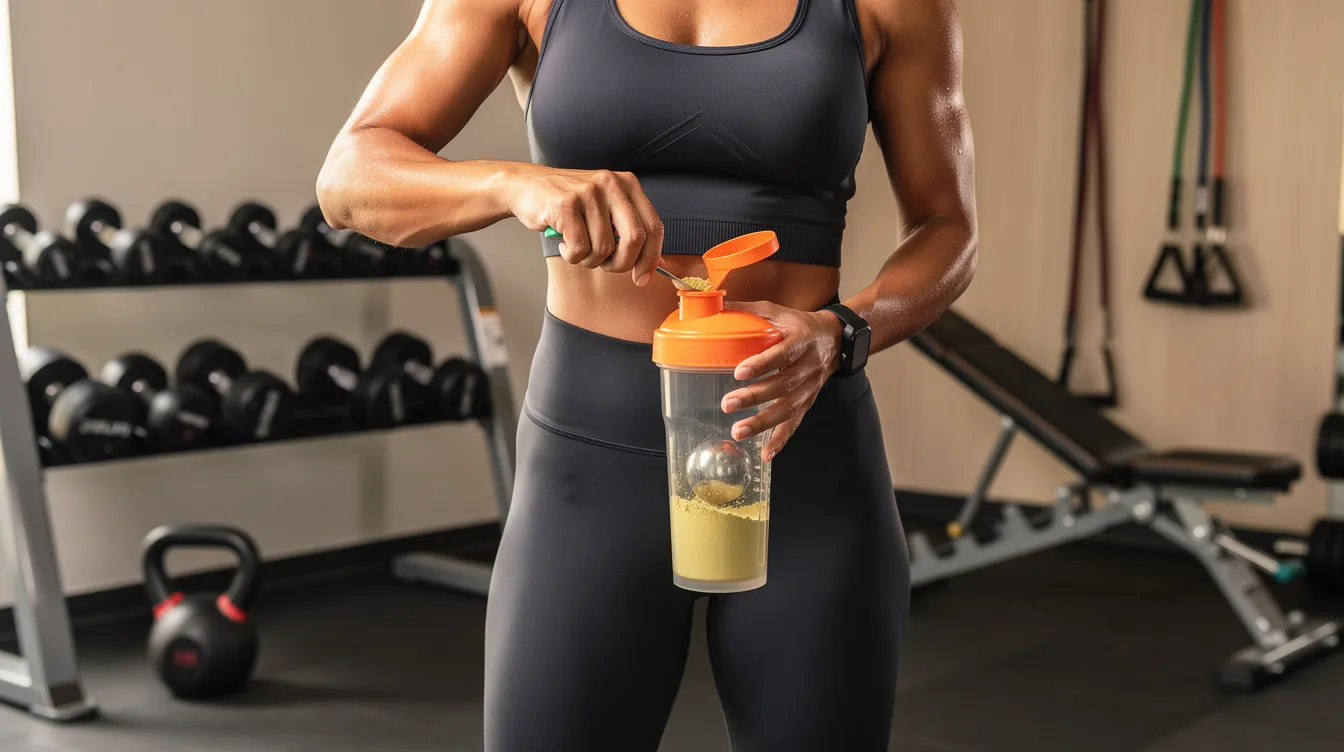
Does Creatine Help You Lose Weight or Burn Fat?
Losing weight and losing fat are not always the same. Creatine does not significantly increase fat oxidation or metabolic rate by itself, so it is not a stand-alone fat burning supplement.
Creatine does not directly contribute to weight loss, as it is not a fat burner and does not increase calorie expenditure or suppress appetite. While creatine itself does not cause fat loss, it can support fat loss indirectly by improving workout performance and preserving lean muscle mass during a calorie deficit.
For example, someone cutting calories in 2026 while lifting 3–4 times per week may keep more strength, perform more quality sets, and lose fat with less muscle loss when they take creatine consistently.
Research over the last 20+ years generally shows creatine plus resistance training improves lean body mass, muscle growth, and body fat percentage more than training alone. A large 2024 review of randomized trials found creatine increased body mass by about 0.86 kg and fat-free mass by about 0.82 kg while slightly reducing body fat percentage.
How Creatine May Support Fat Loss Indirectly
Creatine may support weight loss goals in a few practical ways:
-
It helps you do more reps, sets, or heavier loads, increasing muscle work and calorie expenditure over time.
-
More muscle slightly raises resting metabolic rate because muscle burns more calories at rest than fat.
-
Creatine increases lean muscle mass, which can slightly elevate resting metabolic rate since muscle burns more calories at rest than fat.
-
Increased muscle mass from creatine supplementation can enhance metabolic activity, leading to a higher calorie burn at rest, which supports better body composition.
-
Better performance and muscle recovery can improve consistency, which matters more than any single supplement.
Supplementing with creatine can help maintain strength and performance during dieting, allowing for more effective workouts and better muscle retention. Creatine can help maintain strength and performance during a calorie deficit, which is crucial for preserving muscle mass while trying to lose fat.
What Creatine Does NOT Do for Weight Loss
Creatine will not help you lose belly fat specifically, reduce belly fat through spot reduction, or burn fat directly. No supplement can choose where body fat comes off first, including visceral fat.
Creatine also will not replace a calorie deficit, fix poor sleep, or erase inconsistent training. It is not a shortcut for rapid weight loss before a vacation or weigh-in. If you are comparing fat burning supplements, creatine belongs in a different category: performance and muscle support, not direct fat burning.
Creatine, Weight Gain, and Water Weight
Many people worry about creatine and weight gain because the scale can jump early. The initial weight gain from creatine is primarily due to water retention in muscle cells, not an increase in fat mass, which can lead to a temporary increase on the scale.
When starting creatine supplementation, individuals may experience an initial weight gain of about 2 to 5 pounds due to water retention in muscle cells, which is a temporary effect. With a creatine loading phase, some people see 2–6 lb quickly.
Creatine supplementation can lead to a temporary increase in weight as muscles absorb more water, but this effect typically subsides within 4 to 6 weeks after starting supplementation. This is why short-term scale changes can be misleading.
Water Retention vs. Actual Fat or Belly Fat Gain
The weight gain associated with creatine is primarily due to intracellular water retention, which contributes to a fuller appearance of muscles rather than an increase in body fat.
That water is mostly inside muscle cells, not stored as belly fat. Human studies do not show creatine increasing fat mass, visceral fat, or subcutaneous belly fat when diet and training are reasonable.
In fact, fuller muscle tissue can make some people look more athletic as fat loss progresses. If you need to make a specific weigh-in, stopping creatine 1–3 weeks ahead may reduce some water weight.
Why the Scale Can Be Misleading on Creatine
A scale cannot separate water, fat, and lean muscle mass. The scale may not be the best measure of progress when using creatine, as it can mask fat loss due to temporary water weight; body composition measurements are more informative.
Track:
-
Waist circumference
-
Progress photos
-
Clothing fit
-
Gym performance
-
Body composition estimates
During body recomposition, it is common to see little scale change while you build muscle, maintain muscle, and lose fat at the same time.
Benefits of Creatine While You’re Trying to Lose Weight
The benefits of creatine matter most during a cut because dieting can reduce training quality. Creatine protects muscle tissue during a calorie deficit, ensuring weight loss primarily comes from fat rather than muscle.
Key benefits include:
-
Better strength training output
-
Improved exercise performance
-
Support for muscle retention
-
Better long-term body composition
-
Potential support for cognitive function through brain energy systems, including cerebral high energy phosphates
Some QUOR customers use cannabinoids for stress, wind-down, or sleep routines. Creatine works differently: it supports the muscle-energy side, while rest and recovery habits support adherence.
Muscle Maintenance, Metabolism, and Body Composition
Muscle is metabolically active. If you lose too much muscle while dieting, your resting energy needs can fall. Creatine helps preserve lean muscle mass during a calorie deficit, which is critical for maintaining metabolic rate and overall body composition.
Creatine supplementation can lead to an increase in lean body mass, which is crucial for improving overall body composition. Creatine supplementation can also lead to greater increases in lean body mass when combined with resistance training, even during a calorie deficit.
Maintaining strength in the gym is a good sign that your plan is protecting muscle mass. Long term, holding on to more muscle makes future fat loss and weight maintenance easier.
Training Performance and Recovery on a Cut
Research indicates that creatine can improve physical performance, particularly in short bursts of high-intensity activity, such as sprinting or weightlifting, by allowing individuals to push harder and recover faster between sets.
That can mean one more rep, better bar speed, or less performance drop-off late in a session. Studies show that creatine can lead to greater training adaptations over time, including increased muscle mass and strength, particularly when combined with resistance training.
Pair creatine with hydration, sleep, and enough protein. Some adults also use CBD or CBN products from quor.store for evening routines, while creatine handles training output and muscle recovery.
What Research Says About Creatine, Fat Loss, and Body Composition
Multiple trials from the early 2000s through the mid-2020s show a consistent pattern: creatine is not magic, but it helps with improving body composition when combined with resistance training.
A meta-analysis in adults under 50 found creatine plus training reduced body fat percentage by about 1.19%, while absolute fat mass change was small. In older adults, creatine plus resistance training showed a greater reduction in body fat percentage compared with training alone.
Creatine, Lean Mass, and Fat Mass Changes
Randomized trials often show greater muscle gain, strength, and lean body mass in creatine groups versus placebo. Some research in adults over 50 suggests creatine plus resistance training can reduce fat mass more than training alone, likely because increasing muscle mass supports more activity and better training adaptations.
DEXA-based studies show apparent weight gain usually reflects muscle and intracellular water, not added fat mass. Long-term research in healthy adults has not shown creatine causing users to gain fat at typical doses.
Creatine and Different Dieting Styles
Creatine can fit moderate calorie deficits, higher-protein diets, intermittent fasting, and a slight calorie deficit approach. The main requirements are adequate protein intake and a training stimulus.
Crash diets are different. If calories are extremely low, training quality falls, and creatine cannot fully rescue performance.
People using cannabinoids from quor.store for appetite awareness, sleep, or stress routines can still benefit from creatine for performance and body composition. Check local regulations and choose lab-tested products.
How to Use Creatine When You’re Trying to Lose Weight
If you lift weights and manage calories, you can usually take creatine during a cut. The basics are simple:
|
Goal |
Practical move |
|---|---|
|
Preserve muscle |
Lift 2–4 days weekly |
|
Support fat loss |
Maintain a 300–500 calorie deficit |
|
Build muscle or maintain muscle |
Eat enough protein |
|
Avoid scale shock |
Skip loading and use 3–5 g daily |
Dosage, Timing, and Loading While Cutting
Most adults use 3–5 g of creatine monohydrate daily. A loading phase of about 20 g per day split into 4 doses for 5–7 days saturates muscles faster, but it can cause a more noticeable jump in water retention.
Many people trying to lose weight skip the loading phase and take a daily maintenance dose. Timing is flexible; post-workout with carbs and protein is convenient, but consistency matters most.
Drink enough water, especially if training hard or combining multiple dietary supplements.
Training, Nutrition, and Cannabinoid Stacking
Pair creatine with progressive resistance training: squats, presses, hinges, rows, and pulls. Aim for protein intake around 1.6–2.2 g per kg of body weight daily.
A moderate 300–500 calorie deficit usually works better than extreme restriction. Some users add QUOR products, such as THCv-forward products for appetite routines or CBD/CBN blends for sleep and recovery support. Source hemp-derived products from reputable, lab-tested providers like quor.store, follow local laws, and avoid driving after intoxicating formulas.
Who Should Be Cautious With Creatine
Most healthy adults tolerate creatine well, but people with kidney disease, serious liver conditions, complex metabolic disorders, pregnancy, breastfeeding, or medication concerns should speak with a clinician first.
Large doses may cause digestive upset. Splitting doses or lowering intake often helps. Tell your doctor if you use creatine and cannabinoid products so labs, medications, and kidney function markers are interpreted correctly.
Potential Drawbacks and Misconceptions When Losing Weight on Creatine
Creatine is useful, but expectations matter. The main drawbacks are temporary water weight, possible digestive discomfort, and disappointment if you expect rapid fat burning.
Myths to ignore:
-
“Creatine makes you fat.”
-
“Creatine always makes you bloated.”
-
“Creatine replaces a diet plan.”
-
“Creatine will make everyone gain weight the same way.”
Individual responses vary. Some people notice fullness quickly; others barely notice any visual change.
Will Creatine Make You Look Bloated While Cutting?
Most creatine-related water is intracellular, which usually makes muscles look fuller, not puffier. Very lean people may notice a temporary softer look, but it often fades as the body adapts and fat loss continues.
If you feel puffy, skip loading, use 3 g daily, watch sodium consistency, and monitor hydration. Creatine water shifts are reversible and do not equal added belly fat.
Creatine and Safety: Kidneys, Hydration, and Long-Term Use
Research in healthy adults using typical doses, and even higher short-term doses near 20 g/day, has not shown kidney damage when kidney function is normal at baseline. People with pre-existing kidney issues or high risk should use creatine only under medical supervision.
Creatine does not inherently cause dehydration or muscle cramps when fluid intake is adequate. Choose third-party-tested creatine products, similar to how QUOR emphasizes lab testing for cannabinoid products at quor.store.
FAQ
These quick answers cover common edge cases about creatine, fat loss, water weight, cardio, and combining creatine with QUOR products.
Can I take creatine if I’m doing mostly cardio to lose weight?
Yes. Creatine mainly helps short, intense efforts, so it is most useful if your cardio includes sprints, hills, intervals, or added strength training. For steady low-intensity cardio only, creatine will not block fat loss, but it also will not magically speed it up without a calorie deficit.
Should I stop creatine right before checking my weight-loss progress?
If your progress check is only scale-based for a specific date, stopping creatine 1–3 weeks before may drop some water weight. For long-term fat loss, you usually do not need to stop; just interpret scale weight alongside waist measurements, photos, and strength logs.
Is creatine still useful if I’m already over 40 and trying to lose fat?
Yes. Adults in their 40s, 50s, and beyond may benefit because age-related muscle loss can make weight maintenance harder. Creatine plus resistance training can help preserve or add lean mass, but older adults should check with a healthcare provider, especially if using other supplements.
Can I use creatine together with QUOR’s hemp-derived products while cutting?
Creatine and hemp-derived cannabinoids work through different mechanisms and are generally compatible for many healthy adults. Some people use QUOR products from quor.store for sleep quality, stress routines, or focus while creatine supports muscle energy. Start low with new cannabinoid products, avoid driving after intoxicating formulas, and discuss supplements with your healthcare provider if you take medications.
How long does it take to see fat-loss benefits from creatine?
Performance effects can appear within 1–3 weeks as muscle creatine stores rise. Visible body composition changes usually take 4–12 weeks of consistent training, nutrition, and recovery. Creatine helps you train harder and keep muscle; your calorie deficit handles the actual fat loss.


Leave a comment
This site is protected by hCaptcha and the hCaptcha Privacy Policy and Terms of Service apply.