


-
Creatine was first scientifically isolated in 1832 by French chemist Michel Eugène Chevreul from meat extracts and named from the Greek word “kreas,” meaning meat.
-
In 1847, Justus von Liebig identified creatine as methylguanidino-acetic acid, often written methylguanidino acetic acid, and linked higher creatine content with more active muscles.
-
The discovery of phosphocreatine in 1927 by Eggleton and Eggleton, and independently by Fiske and Subbarow, revealed creatine’s role in energy buffering.
-
Creatine monohydrate became a mainstream dietary supplement in the early 1990s, when loading phase and maintenance phase protocols entered modern sports nutrition.
-
Today, creatine supplementation is widely researched for athletic performance, muscle mass, physical performance, and emerging brain function uses.
Introduction: What We Mean by “When Was Creatine Invented?”
Creatine was not truly “invented.” It is a naturally occurring compound made in the body from amino acids and stored mostly in skeletal muscle. So when people ask “when was creatine invented,” the best answer is: creatine was discovered in 1832, then later turned into creatine supplements through modern science.
Creatine plays a central role in muscle contraction, energy production, and high intensity exercise. Over time, researchers moved from studying a new organic constituent in meat to developing creatine monohydrate as a cheap ergogenic supplement used by athletes, gamers, weight lifters, and wellness consumers.
The First Discovery: Creatine Isolated in 1832
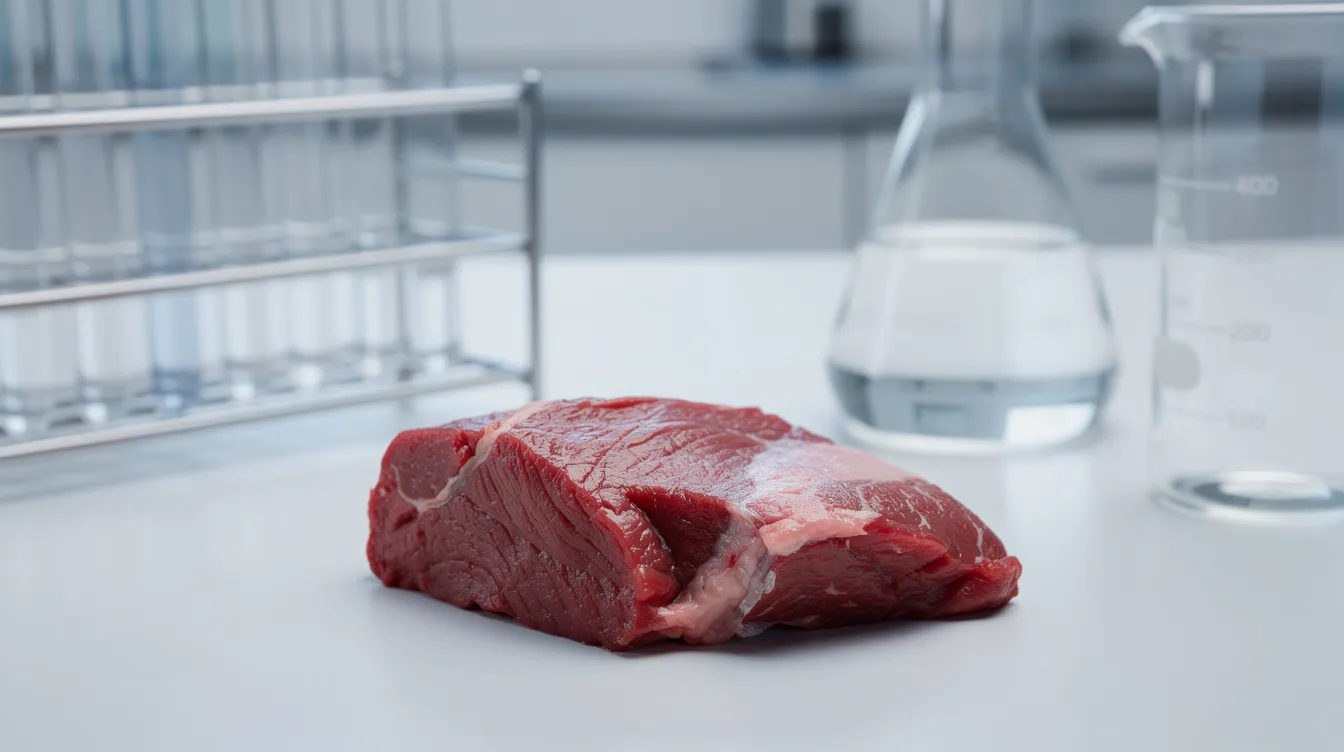
The answer to “when was creatine invented” is 1832, if we mean scientifically discovered. Michel Eugène Chevreul isolated creatine from fresh meat and skeletal muscle extracts, naming it after “kreas,” the Greek word for meat.
At that stage, creatine was simply recognized as an organic constituent of living tissue. Scientists did not yet understand adenosine triphosphate, adenosine diphosphate, creatine phosphate, or how creatine helps an exercised muscle sustain effort for only a few seconds longer during intense exercise.
From Name to Structure: Liebig’s Work in the 1840s
In 1847, German scientist Justus von Liebig clarified creatine’s chemical identity and confirmed it as a distinct compound. He also observed that wild animals had higher creatine levels in their muscles than domesticated animals, suggesting a link between physical activity and creatine content.
Liebig’s meat extracts were not modern creatine supplements, but they were early commercial creatine-rich concentrates. Long before powders existed, fresh meat, fish, concentrated chicken soup, and broths used in jewish medicine or ritual consumption could provide small amounts of creatine through food.
Early 20th Century: Uncovering Creatine’s Role in the Body
Creatine’s physiological importance became clearer in the 1900s. Harvard researchers reported in 1912 that oral creatine increased muscle creatine content in animals, showing that the human intestine can successfully absorb oral creatine and that ingesting creatine could change muscle chemistry.
By the 1920s, studies in normal subjects suggested that creatine administration was absorbed, stored in muscle stores, and associated with nitrogen retention, slight weight gain, and small increases in muscle mass. Researchers also learned that about 95% of total body creatine is stored in skeletal muscle, setting the stage for future creatine supplementation.
1927: Discovery of Phosphocreatine and the ATP–PCr System
The key breakthrough came in 1927, when Eggleton and Eggleton, and independently Fiske and Subbarow, discovered phosphocreatine. Researchers learned that creatine can be converted into a phosphorylated form inside muscle cells to form phosphocreatine.
The phosphagen system uses phosphocreatine to donate a phosphate group to adenosine diphosphate, rapidly regenerating adenosine triphosphate during high energy demands. This system powers short bursts of maximal voluntary exercise, heavy lifting, sprinting, and other short duration efforts.
Later work on creatine kinase explained the reversible reaction between ATP and phosphocreatine, turning subcellular biochemistry into a practical model for performance.
Creatine Before the Supplement Era: Long Gap and Quiet Use
From the 1930s through the 1960s, scientists understood much of creatine’s role in energy metabolism, but creatine use was not mainstream. People mainly got dietary creatine from meat and fish, with no public discussion of a loading phase, maintenance dose, or muscle creatine stores saturation.
Some strength athletes likely experimented with high-meat diets and broths, unintentionally taking in more creatine. Still, there was no standardized powder, no modern sports nutrition market, and no clear consumer protocol.
Cold War and Pre-Commercial Supplementation in Athletes
By the 1960s and 1970s, Eastern European and Soviet sports scientists reportedly tested creatine supplementation with elite athletes to improve strength and repeated bouts of power. Details were limited because Cold War sports programs often guarded training methods closely.
In that sense, athletic creatine supplementation may have been “invented” before it became commercial. But the public still did not have standardized creatine monohydrate, verified dosing, or clear evidence for ergogenic effects.
The 1990s: Birth of Modern Creatine Monohydrate Supplements
The early 1990s were the turning point. In a landmark study, harris et al showed that oral creatine supplementation with creatine monohydrate could significantly raise muscle creatine stores in humans. The study helped establish the classic approach of about 20 g/day for several days, then a maintenance phase.
Research showed creatine supplementation can increase muscle phosphocreatine stores by 20-40%, enhancing the muscle’s ability to resynthesize ATP from ADP during periods of increased energy demand. It can also increase maximum power and performance in high-intensity anaerobic repetitive work by 5% to 15%.
This is why creatine is considered the most effective nutritional supplement to increase high intensity exercise capacity and muscle mass during training, particularly in its monohydrate form. You can read the original human supplementation research on PubMed.
Olympic Spotlight and Mass Adoption
The 1992 Barcelona Olympic Games coincided with the scientific validation of creatine supplementation, leading to high-profile successes among athletes who used it. Reports linked athletes such as Linford Christie and Sally Gunnell with creatine use, helping normalize it among coaches.
By the 1996 Atlanta Olympics, an estimated 80% of competing athletes were utilizing creatine as a supplement. Media coverage framed creatine as legal, non-steroidal, and useful for sprinting, lifting, and explosive athletic performance.

How Creatine Works: From Discovery to Mechanism
Creatine’s story is simple: discovered in 1832, chemically clarified in 1847, mechanistically explained through phosphocreatine in 1927, and practically applied in the 1990s.
Creatine helps enlarge the pool of creatine and phosphocreatine in muscle cells. During high intensity exercise, phosphocreatine donates a phosphate group to ADP so ATP can be restored quickly. That is why creatine supports repeated bouts, greater training volume, improved muscle torque, and high intensity exercise capacity.
Creatine supplementation may also support lean body weight changes through water retention inside muscle cells and better training quality. It is not instant muscle growth, but over time, improved training may contribute to muscle mass gains and an anabolic effect.
Modern Creatine Supplementation: Forms and Protocols
Creatine monohydrate remains the best-studied form. Most people use it as powder, capsules, or part of a performance blend.
The classic loading phase is 20–25 g/day split into 4–5 servings for 5–7 days, followed by a maintenance dose of 3–5 g/day. Skipping loading also works: 3–5 g/day can saturate muscle stores in about 3–4 weeks.
Creatine works best for short, explosive activity such as sprinting, bench pressing, combat sports, and weightlifting sets. Studies indicate creatine can enhance performance during short bursts of intense exercise, such as sprinting or bench pressing, but does not confer benefits for aerobic endurance.
Who May Benefit the Most? Vegans, Vegetarians, and High-Intensity Athletes
Omnivores get creatine from meat and fish. Vegans and vegetarians usually start with lower muscle creatine stores, so they may see a larger relative increase when they begin creatine supplementation.
High-intensity athletes, team-sport players, sprinters, and lifters tend to see the clearest benefits. Healthy adults who want to support strength, daily physical performance, and training resilience may also benefit when creatine is paired with structured exercise.
Beyond Muscles: Emerging Research on Brain and Health Applications
Although creatine’s history centers on muscle contraction, modern science is studying brain function, cognitive processing, fatigue resistance, and other tissues with high energy demands.
Some studies suggest creatine may help during sleep deprivation or mental stress, but results remain mixed results. Researchers are also exploring creatine in aging, neuromuscular conditions, mitochondrial disorders, and neurodegenerative disease, but further research and more research are needed before making strong clinical claims.
Creatine biology is broader than sports: researchers study creatine in living tissue, development, and maternal-fetal contexts, including after birth placenta analysis, but performance use remains the clearest application.
Safety, Side Effects, and Long-Term Use
Creatine supplementation is generally considered safe for most healthy adults when taken at recommended dosages, with extensive research debunking claims of kidney damage in individuals with healthy kidney function.
Some individuals may experience mild gastrointestinal discomfort or temporary weight gain due to water retention in muscles, but these side effects are generally not serious and tend to resolve over time. A 2019 systematic review found that creatine supplementation did not induce renal damage in healthy individuals, even with standard loading and maintenance protocols of 4–20 g/day of creatine. See the review on PubMed.
Creatine supplementation has also been associated with a decrease in the incidence of muscle cramping and dehydration, contrary to common concerns about its use. People with kidney disease or complex medical conditions should still speak with a healthcare professional first.
Creatine in the Context of a Broader Supplement Routine
Creatine is often used with protein powders, electrolytes, nootropics, or pre-workout formulas. If you combine products, review labels carefully, especially for stimulants, overlapping ingredients, and total daily intake.
A good routine still depends on training, sleep, nutrition, and hydration. Whether shopping at quor.store or elsewhere, look for clear labels, third-party testing, and realistic claims rather than promises to dramatically boost results without effort.

Conclusion: From 1832 Discovery to Everyday Supplement
So, when was creatine invented? Creatine was discovered in 1832 by Chevreul, chemically clarified in 1847 by Liebig, explained through phosphocreatine in 1927, quietly explored in Cold War sport, and popularized as creatine monohydrate in the 1990s.
It was not invented in a lab from nothing. It was found in muscle tissue, understood through biochemistry, and eventually refined into one of the most researched tools in sports nutrition.
Creatine monohydrate remains the gold standard: affordable, well studied, and useful for high-intensity performance. Treat it as one evidence-based tool alongside training, food, recovery, and smart supplementation.
Frequently Asked Questions
Is creatine considered “natural” or synthetic?
Creatine is natural in the sense that the body makes it from amino acids in the liver, kidneys, and pancreas. Supplemental creatine monohydrate is produced synthetically for purity and consistency, but it is chemically identical to creatine found in meat and human tissue.
Do I need a loading phase, or can I just take a low daily dose?
You do not need a loading phase. Loading with 20–25 g/day for 5–7 days saturates muscles faster, but 3–5 g/day without loading reaches similar long-term saturation in about 3–4 weeks. People prone to stomach upset often prefer the slower method.
How long does it take to notice the effects of creatine?
With loading, many users notice better training volume or power within 1–2 weeks. Without loading, changes often appear after 3–4 weeks as muscle creatine stores rise. Results still depend on consistent training, sleep, and nutrition.
Is creatine only useful if I lift heavy weights?
No. Creatine has the strongest evidence for heavy lifting, sprinting, jumping, combat sports, and team sports with repeated sprints. It is less useful for steady aerobic endurance, but non-athletes may still use it to support muscle maintenance and daily performance.
Can I take creatine with other supplements or wellness products?
Yes, creatine is commonly stacked with protein, electrolytes, and non-stimulant wellness supplements. Check labels for overlapping ingredients, watch total caffeine if using pre-workouts, and consult a healthcare professional if you take medications or manage a health condition.


Leave a comment
This site is protected by hCaptcha and the hCaptcha Privacy Policy and Terms of Service apply.