

-
Pure creatine monohydrate is not a stimulant and does not typically keep you awake or disrupt sleep.
-
Timing usually does not matter: creatine before bed, morning, or post workout can work as long as no caffeine or stimulants are mixed in.
-
2024–2025 research suggests creatine may support sleep quality and cognitive performance during sleep deprivation.
-
Creatine’s main role is cellular energy support in muscle cells and the brain, not central nervous system stimulation.
-
The specific timing of daily intake matters less than staying consistent over weeks.
Creatine and Sleep: The Direct Answer
Does creatine keep you awake? For most healthy adults, no. Creatine supplementation does not activate the central nervous system like caffeine, and it does not block sleep-promoting chemicals that help you fall asleep.
Controlled studies up to at least 2025 have not shown that reasonable doses of creatine monohydrate disrupt sleep quality, rem sleep, or sleep architecture. Many people mistakenly believe creatine causes sleep issues because it is often included in caffeinated pre workout powders, which do affect sleep.
If you feel wired after taking creatine, check the label for caffeine, synephrine, yohimbine, or other stimulants. Creatine may help maintain cognitive performance and brain function when you are sleep deprived, but that is different from causing insomnia.
Understanding Creatine: More Than a Gym Supplement
Creatine is a naturally occurring compound made in the body and found in foods like red meat and fish. It is stored mostly in skeletal muscle, with smaller amounts in brain tissue, where it helps regenerate adenosine triphosphate, the body’s quick energy currency.
Creatine monohydrate is the most researched form and is often called a gold standard supplement in sports nutrition because decades of data support its use for strength, power, muscle recovery, physical performance, and possibly cognitive function.
Pure creatine monohydrate contains no caffeine and no amphetamine-like compounds. Some wellness users combine creatine with other products, including cannabinoid options from brands like QUOR at quor.store, but creatine itself does not inherently alter the sleep–wake cycle.
How Creatine Works in the Body and Brain
Creatine works by supporting cellular energy, not by stimulating the nervous system. It increases phosphocreatine stores, giving cells a fast backup system during high energy demands.
This matters in both muscles and the brain. During training, intense work, or stressful conditions, creatine helps preserve brain energy and physical output. Because it builds up gradually over weeks, the effect is steady, not a stimulant effect or sudden buzz, so stay consistent with daily intake since timing matters less than saturation.
The Creatine–ATP Cycle and Cellular Energy
ATP powers every cell, including neurons. Creatine rapidly donates a phosphate group to ADP, regenerating ATP during lifting, sprinting, and intense thinking.
Creatine works at the cellular level by rapidly donating a phosphate molecule to regenerate ATP, keeping brain cells energized despite lack of rest. This process also supports nighttime repair, when tissues restore energy reserves and recover from metabolic stress.
Does Creatine Affect Sleep? What the Research Says
Human research through 2025 has examined creatine, sleep deprivation, sleep duration, and sleep quality. Typical 3–5 g daily intake does not appear to disrupt sleep or cause negative effects and may be associated with equal or better sleep quality in certain contexts.
Under sleep loss, creatine supplementation has been shown to partially reverse cognitive deterioration caused by sleep deprivation by sustaining brain phosphocreatine and ATP levels, helping keep cognitive performance closer to normal after a poor night of rest. Most randomized controlled trials use creatine monohydrate, not exotic forms, so claims should stay measured: creatine may support recovery and cognition, not replace sleep.
Creatine, Training Days, and Sleep Duration
A 2024 study in resistance-trained women found that 5 g/day creatine during a resistance-training program was linked to longer sleep duration on training days compared with placebo: about 7.4 hours with creatine vs. about 6.6 hours with placebo after workouts.
Researchers suggested better cellular energy availability and recovery demands may increase restorative sleep. This does not mean creatine is a sedative; it may support better sleep after hard training days.
High-Dose Creatine and Sleep Deprivation
A 2024 trial in Scientific Reports tested a high dose of creatine, roughly 20–25 g, before healthy adults stayed awake for about 21 hours. The scientific reports data showed better cognitive performance, vigilance, and mood versus placebo despite severe sleep loss.
High-dose and single dose creatine protocols are research tools, not standard daily advice. Creatine supplementation has been shown to buffer against cognitive decline during sleep deprivation, helping maintain brain function even when sleep is limited. It also partially reverse cognitive deterioration caused by sleep deprivation by sustaining brain phosphocreatine and ATP levels, keeping cognitive performance closer to normal after a poor night of rest.
Insights from Dietary Creatine and Animal Studies
Animal studies suggest creatine supplementation lowers homeostatic sleep pressure, allowing the body to function as if it were less sleep-deprived. Some data also suggest creatine may reduce total sleep need in animals or make recovery sleep more efficient after exertion.
A study found that creatine supplementation improved working memory and central executive task performance after 36 hours of sleep deprivation, indicating potential benefits for cognitive function under sleep loss conditions. Still, animal and extreme sleep-deprivation findings should not be stretched into “creatine means you need less sleep.”
How Creatine May Influence Sleep and Brain Function
Creatine’s sleep effects are indirect: energy buffering, brain chemistry, and resilience. Research indicates that creatine may improve sleep quality by supporting ATP production in the brain, which is crucial for memory consolidation and cellular repair during sleep.
Creatine also supports brain energy metabolism and cerebral high energy phosphates under pressure. For students, shift workers, gamers, and busy professionals, the benefit is not artificial alertness; it is more stable brain function when sleep is imperfect.
Energy Buffering and Nighttime Recovery
During sleep, especially deep sleep, the body rebuilds tissue, clears metabolic waste, and replenishes ATP. Research indicates that creatine helps maintain ATP availability throughout the night, which is crucial for brain functions such as memory consolidation and metabolic waste clearance during sleep.
Think of phosphocreatine as an extra backup battery for your cells. By supporting muscle recovery and reducing soreness, creatine may indirectly reduce awakenings from discomfort.
Adenosine Signaling and Sleep Pressure
Adenosine builds during the day and creates sleep pressure. Some research suggests creatine may subtly affect how adenosine accumulates by improving energy balance.
Unlike caffeine, creatine does not block adenosine receptors. That means it does not create artificial alertness, raise cortisol, or produce the typical wired feeling linked to stimulant pre-workouts.
Neurotransmitters, Brain Health, and Cognitive Performance
Adequate ATP supports normal neurotransmitter activity, including pathways related to serotonin and dopamine. This helps explain why creatine may support mood, decision-making, memory, and brain health during long days.
These benefits complement sleep; they do not replace it. Even if creatine helps when someone is severely sleep deprived, consistent rest remains essential for overall health and overall wellness.

Creatine Before Bed: Is Nighttime Dosing a Problem?
Will creatine before bed keep you awake? For most people, no. Taking creatine before bed is safe and may even support recovery processes that occur during sleep, such as muscle repair and ATP replenishment.
Because creatine works through saturation, nighttime dosing is generally as useful as morning or post workout dosing. The main sleep risk is not creatine itself; it is caffeine or stimulant blends.
Best Practices for Nighttime Creatine Dosing
-
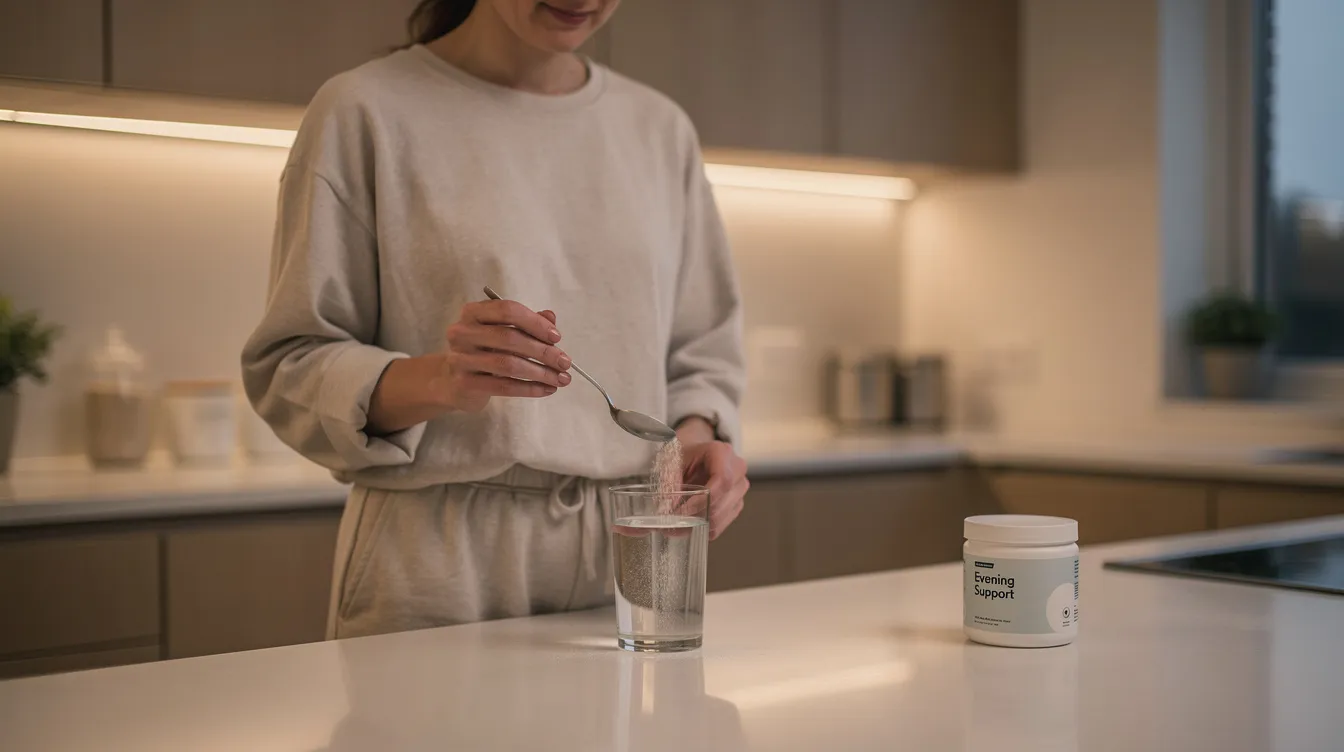
Take 3–5 g creatine monohydrate daily with water, dinner, or a protein shake.
-
If using a loading phase of about 20 g/day split into four doses for 5–7 days, keep the last dose 60–90 minutes before bed to reduce stomach discomfort.
-
Pairing creatine with protein and moderate fast acting carbohydrates may support glycogen and recovery; some people also consider how carbohydrates influence insulin levels.
-
If bloating occurs, lower the dose, use micronized creatine, or move it earlier.
Does Creatine Disrupt Sleep or Cause Insomnia?
Current evidence does not support pure creatine monohydrate as a cause of insomnia. Standard creatine doses do not systematically worsen sleep onset, total sleep time, or sleep quality.
Creatine does not act as a stimulant and will not keep you awake, making it suitable for evening dosing without sleep disruption. If sleep issues begin after starting a supplement, review late caffeine, screen time, stress, heavy meals, and hidden stimulants before blaming creatine.
High Doses, Sensitive Users, and Special Cases
Very high doses above 20 g/day for long periods are usually unnecessary and may cause GI discomfort, which can indirectly affect sleep. People with kidney disease, complex medical histories, pregnancy, breastfeeding, or medications affecting kidney function should ask a healthcare professional before high dose use.
A small minority may feel more mentally active when starting creatine. If that happens, move the dose earlier and monitor whether you fall asleep more easily.
Optimizing Creatine Supplementation for Performance, Brain Health, and Sleep
Creatine is one tool within training, nutrition, stress management, and sleep hygiene. It works best when taken consistently over weeks to saturate muscles and, to a lesser extent, the brain.
Creatine may benefit strength athletes, sprinters, students, and busy adults who care about physical performance and cognitive performance. If layering other nighttime aids, including cannabinoid products from QUOR at quor.store, evaluate legality, personal tolerance, and professional guidance.
Practical Dosing and Timing Guidelines
For most healthy individuals, 3–5 g/day is enough. A loading phase can saturate muscles faster, but skipping it simply means saturation may take 3–4 weeks.
Timing is flexible: morning, pre-workout, post workout, or nighttime dosing all work. Mix creatine with water, juice, warm liquids, or a protein shake, and stay hydrated.
Building a Nighttime Routine That Supports Sleep
Build a nighttime routine that supports better sleep: dim lights, reduce screens, keep a regular bedtime, and avoid caffeine 6–8 hours before bed. Light stretching, breathwork, or meditation can complement creatine’s recovery support.
Some adults use non-stimulant wellness products, including certain cannabinoid formulations from QUOR, as part of an evening routine. Track your sleep with a journal or app when changing supplements.

FAQ
Can creatine and caffeine together keep me awake at night?
Yes, but caffeine is the issue. Caffeine can keep you awake by blocking adenosine receptors for 4–8 hours, while creatine monohydrate does not extend caffeine’s half-life. If training late, use pure creatine without caffeine.
Is creatine safe for shift workers or people with irregular sleep schedules?
Creatine monohydrate is generally considered safe for healthy adults and does not control circadian rhythm. For irregular schedules, it may support cellular energy and cognitive performance, but it is not a substitute for sleep.
Can creatine cause vivid dreams or strange sleep experiences?
Some users report vivid dreams, possibly because brain energy metabolism influences rem sleep, but strong clinical evidence is lacking. If dreams become bothersome, move your dose earlier and monitor changes.
Should I stop taking creatine if I’m having trouble falling asleep?
First check caffeine, stress, blue light, late meals, and stimulant blends. Then try moving creatine earlier for one to two weeks. If chronic insomnia continues, consult a healthcare professional.
Does creatine help you wake up feeling more refreshed?
Creatine does not change circadian timing, but it may help you feel less drained after demanding work or training by supporting cellular energy and recovery. The effect depends on getting enough total sleep, a balanced diet, and consistent habits.



Leave a comment
This site is protected by hCaptcha and the hCaptcha Privacy Policy and Terms of Service apply.