

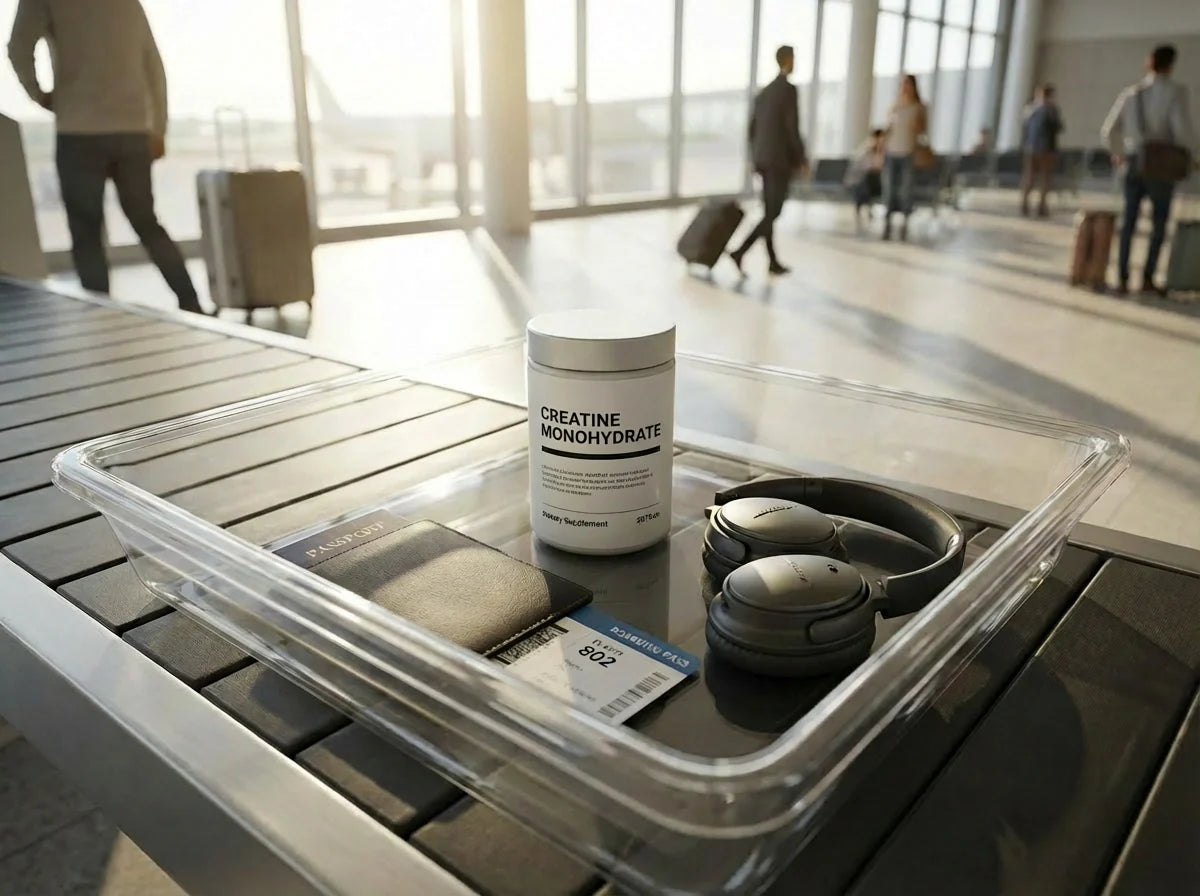
Introduction to Traveling with Supplements
Traveling with supplements like protein powder and creatine has become a routine part of life for fitness enthusiasts, athletes, and anyone committed to their health goals—even when on the move. Whether you’re heading out for a business trip, vacation, or international competition, bringing your favorite dietary supplements can help you stay consistent with your regimen. However, navigating the Transportation Security Administration (TSA) regulations and international rules for powder-like substances is crucial to avoid unnecessary delays or confiscations at airport security checkpoints.
When packing creatine and protein powder, always consider how you’ll carry them—whether in your carry-on bags for easy access or checked luggage for larger quantities. TSA regulations allow most dietary supplements, but they do require that powder-like substances be packed thoughtfully, especially if you’re carrying more than 12 ounces. Keeping your supplements in their original packaging with clear labels not only reassures security personnel but also makes it easier to declare them at customs if required.
Before you travel, take a few minutes to research the specific regulations of your destination country. Some places have unique restrictions on certain ingredients or require supplements to be declared upon arrival. Understanding the local language and customs can also be a big help if you need to explain what you’re carrying. By planning ahead and packing smart, you can ensure your creatine and protein powder make it to your destination without hassle—so you can focus on your health, not airport drama.
Key Takeaways
-
Creatine is allowed on U.S. flights in both carry-on luggage and checked bags under current TSA regulations (2025).
-
The 12-ounce (350 ml) rule applies: powder like substances greater than this threshold in carry on bags must go in a separate bin for x ray screening.
-
Checked luggage is easiest for large tubs of creatine powder, while small portions or travel packs work best for carry on.
-
Keep original packaging with visible labels to avoid hassle at security checkpoints.
-
Check your destination country’s import rules before traveling internationally—supplement regulations vary worldwide.
Can You Bring Creatine On A Plane? (Short Answer)
Yes, you can bring creatine on a plane. The Transportation Security Administration and most major aviation authorities around the world permit creatine monohydrate and other creatine forms in both carry-on and checked baggage.
Creatine is classified as a dietary supplement under FDA regulations—not a controlled substance, banned drug, or steroid. Despite persistent misconceptions, it doesn’t alter hormone levels or mimic testosterone pathways. This legal status means you’re free to pack creatine for air travel without running into prohibitions from TSA or other aviation security agencies.
TSA’s public guidance treats creatine like other powders (think protein powder, flour, or spices). Sealed, clearly labeled containers rarely cause problems at security checkpoints. That said, TSA agents always have discretion to inspect any item, so expect the possibility of a quick look inside your gym bag if you’re carrying supplements.

TSA Rules For Creatine And Other Powders
Understanding TSA regulations helps you breeze through security without delays. Here’s what you need to know about current rules for powders in 2025:
-
The 12-ounce (350 ml) threshold: Powder like substances in carry on luggage exceeding this amount must be placed in a separate bin for additional screening by TSA agents. This applies to creatine, protein powder, and similar supplements.
-
Smaller amounts pass easily: A few days’ worth of creatine (around 15-30 grams in a small jar or plastic bag) can typically stay in your carry on bags without extra hassle. Security personnel may still inspect, but it’s usually quick.
-
No strict gram limits: TSA doesn’t set a maximum weight for creatine specifically. However, larger quantities are more likely to be opened, swabbed, or tested at the checkpoint.
-
Checked baggage exemption: Powders in checked bags aren’t subject to the 12-ounce separation rule. This makes checked luggage the simpler choice for full-size tubs.
-
U.S.-specific rules: These TSA rules apply to American airports. Other countries follow similar logic but may use different volume thresholds—more on international travel below.
TSA treats creatine and protein powder as dietary supplements, and their regulations apply to both essential and non essential powders. This includes a wide range of supplement powders you might travel with.
As of June 30, 2018, TSA updated policies for international flights arriving in the U.S., requiring that unresolved powders over 12 ounces may be prohibited from the cabin if officers cannot verify them.
Carry-On Vs. Checked Bag: Where To Pack Your Creatine
Deciding where to pack creatine depends on how much you’re bringing and how much convenience matters to you. If you’re carrying larger quantities, checked luggage is often the more convenient option for travelers who want to avoid security challenges with powders. Here’s a practical breakdown:
Carry-On Advantages
-
Immediate access: You can take your daily dose during layovers or right after landing
-
No lost luggage risk: Your supplements stay with you even if checked bags go missing
-
Works for small amounts: Portions under 12 ounces breeze through with minimal scrutiny
Carry-On Considerations
-
Containers over 12 ounces require separate screening in their own bin
-
White powder in carry on luggage can invite questions from security personnel
-
You’ll need to pack creatine near the top of your bag for easy access during inspection
Checked Baggage Advantages
-
Best for bulk quantities: Full 500g-1kg tubs go through without extra security checkpoints drama
-
No size restrictions: Pack as much creatine as you need for extended trips
-
Faster security passage: Fewer items to pull out and explain
Checked Baggage Considerations
-
Risk of lost or delayed bags means you might arrive without your supplements
-
Pressure changes and rough handling can cause spills if containers aren’t sealed properly
-
Double-bag and tape lids to prevent creatine from coating your clothes
|
Factor |
Carry-On |
Checked Bag |
|---|---|---|
|
Best for |
Small amounts, short trips |
Large tubs, extended travel |
|
Screening |
May need separate bin if >12 oz |
No powder-specific rules |
|
Access |
Available during flight/layovers |
Only after baggage claim |
|
Risk |
Extra security time |
Lost luggage possibility |
Smart strategy: Bring 3-7 days of creatine in your carry on for emergencies, with the rest stored securely in checked baggage.
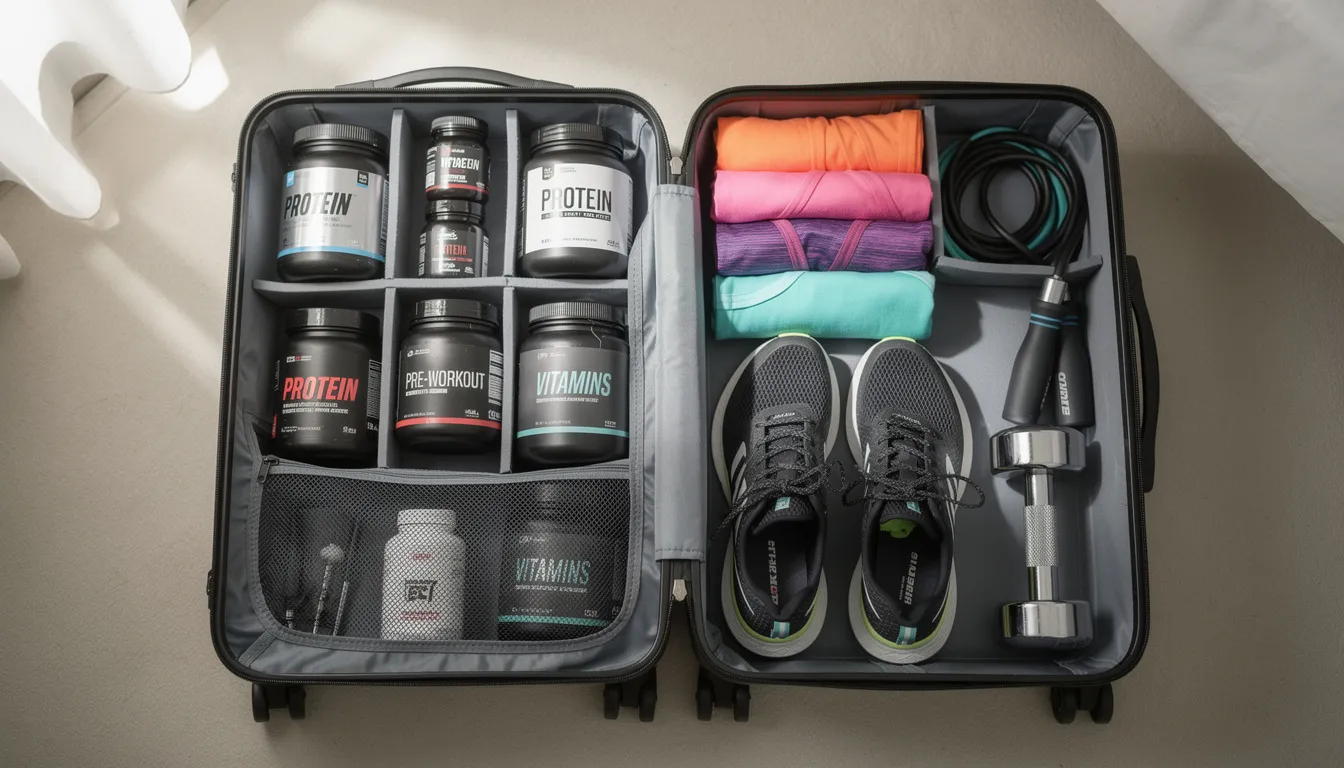
How To Pack Creatine So It Doesn’t Raise Red Flags
Proper packing prevents most airport security headaches. These practical tips help you avoid the hassle of extended questioning:
-
Keep original packaging whenever possible: The manufacturer’s tub with printed labels, ingredient lists, and lot numbers reassures TSA officers during visual checks. This is especially crucial for international flights.
-
Label smaller containers clearly: If you’re transferring creatine to a 100-300ml travel container, mark it with “Creatine Monohydrate – Dietary Supplement” plus the brand name and dosage info.
-
Label powdered supplements in Ziploc bags: If you use Ziploc bags for creatine or other supplements, labeling them is helpful for identification and can make the process smoother if security checks are needed.
-
Avoid unlabeled plastic baggies: White powder in a plain bag looks suspicious and invites testing. This visual similarity to prohibited substances is the most common trigger for additional screening.
-
Use food-safe travel containers: Small screw-top jars or rigid supplement containers work well for 5-10 day portions. Place them in a transparent quart bag within your luggage for easy access.
-
Bring documentation: Include a printed receipt, product info sheet, or photo of the original container on your phone. This supporting evidence helps resolve questions quickly if security asks.
-
Seal everything tightly: Tape around lids prevents accidental opening. Turbulence and pressure changes can pop loose caps, leaving you with a creatine-coated wardrobe.
Travelers have reported 30-60 minute delays at busy airports like LAX or JFK when carrying 16-ounce tubs in carry-on without proper labeling. Save yourself a few minutes (or an hour) by packing smart.
Alternative Forms Of Creatine That Travel Easily
Powder isn’t your only option. Several creatine formats eliminate the measuring, mixing, and mess that make powders inconvenient for travel:
-
Creatine capsules or tablets: Treated like pills by security, these are easy to count by dose and rarely trigger extra screening. Simply pack your daily dose in a small pill case.
-
Creatine gummies or chews: Products like CON-CRĒT’s Creatine HCl gummies are handled like candy or snacks. They’re incredibly convenient for airports but typically cost more per gram than bulk powder.
-
Single-serving stick packs: Pre-measured 5-gram sachets (like Momentous travel packs) stay well under the 12-ounce threshold. Each packet is factory-sealed, which signals legitimacy to customs officers.
-
Creatine HCl: This form requires lower doses (around 0.75 grams per 100 pounds of body weight) due to better solubility and bioavailability. Smaller quantities mean less to pack and less to explain.
Cost vs. Convenience Comparison
|
Format |
Cost per Serving |
Travel Convenience |
Screening Risk |
|---|---|---|---|
|
Bulk powder |
Lowest |
Moderate |
Higher |
|
Single-serve packets |
Medium |
High |
Low |
|
Capsules/Pills |
Medium-High |
Very High |
Very Low |
|
Gummies |
Highest |
Very High |
Very Low |
Scenario 1 - One-week business trip: Creatine capsules or a few single-serve packets are ideal. No mess, no measuring, minimal security attention.
Scenario 2 - Month-long training camp: Bring a full tub in checked luggage, with 7-10 days of capsules in your carry on as backup.
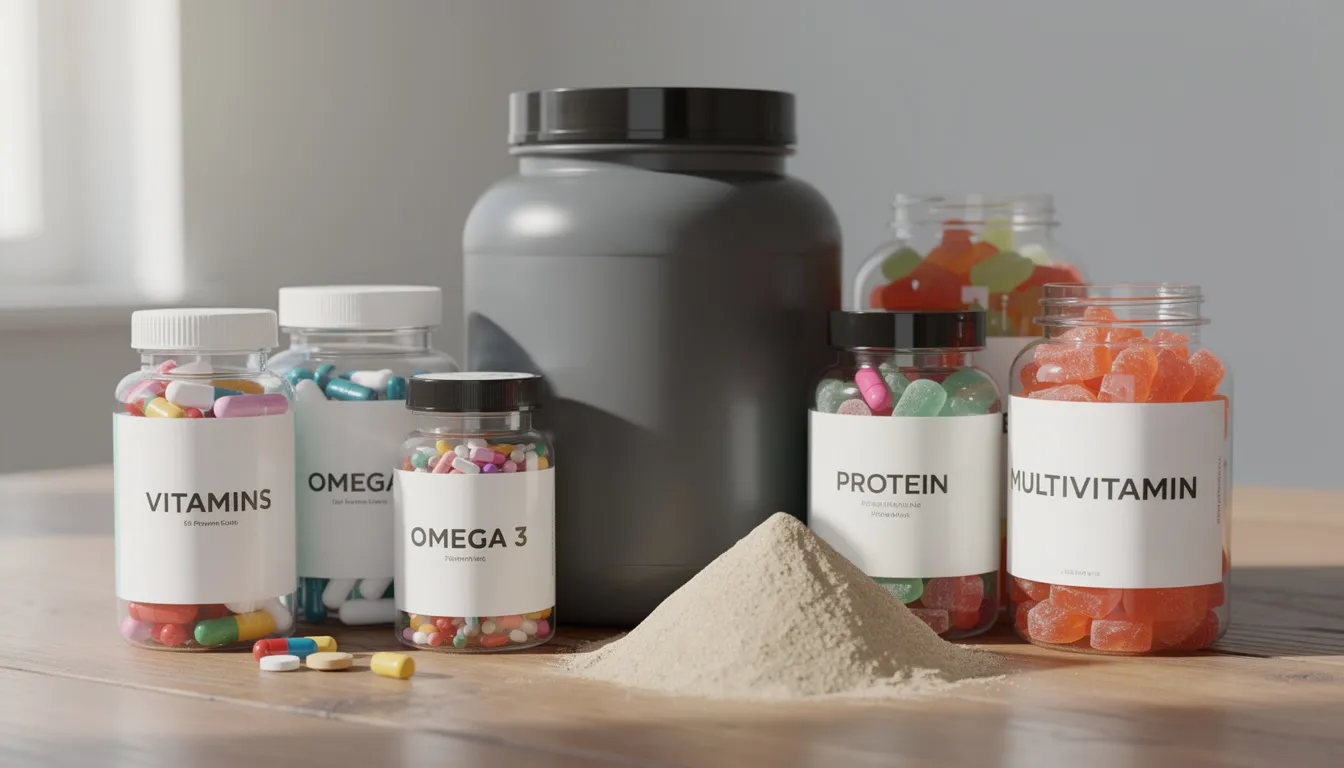
International Flights And Customs: Extra Things To Check
Traveling abroad adds another layer of rules beyond TSA regulations. Taking supplements across borders requires a bit of research:
-
Check destination country customs pages: Before your trip, visit official government sites for the EU, Canada, Australia, or wherever you’re headed. Most countries allow creatine for personal use, but specific regulations vary.
-
Quantity matters: Amounts that look commercial (think 5kg bulk orders) may raise questions. Stick to quantities reasonable for your trip length—typically 1-2 months’ worth maximum.
-
Commercial packaging helps: Keep creatine in containers with English labeling plus any local language if available. Some jurisdictions scrutinize unlabeled imports more heavily.
-
Declare when asked: If customs forms ask about “food, plants, or powders,” declare your supplements honestly. Be prepared to explain they’re for personal health use.
-
Transit countries count too: If you’re changing planes in a country, you may go through security again. Check rules for layover locations, not just your final destination.
A 2023 case involved a U.S. athlete detained in Dubai for an undeclared 1kg powder container. They were released after lab verification—but it cost $200 and significant stress. Research saves trouble.
Countries like Australia require supplements to comply with Therapeutic Goods Administration listings (creatine has been compliant since 2006). EU nations permit creatine under food supplement directives. When in doubt, a quick embassy website check takes a few minutes but prevents major headaches.
What If TSA Or Security Wants To Test Your Creatine?
Stay calm—testing is routine and doesn’t mean you’re in trouble. Here’s what typically happens during separate screening:
Security officers may swab the outside of your container or test a small powder sample. They’re checking for explosives or prohibited substances, not judging your fitness routine. The process usually takes just a few minutes.
How to handle testing smoothly:
-
Stay polite and cooperative throughout the process
-
Answer questions directly: “It’s creatine monohydrate, a workout supplement I take daily”
-
Follow all instructions from security personnel
-
Don’t joke about the powder’s contents—airport humor never lands well
If an officer cannot identify the powder or has concerns, they can legally refuse it in your carry on. However, this is unusual for clearly labeled creatine from reputable brands. Confiscations are rare—under 1% of screenings per TSA data involve powder issues.
Pro tip: When carrying large amounts of powder, arrive at the airport 15-20 minutes earlier than usual. This buffer accounts for any extra security time without risking your flight.
Do You Really Need To Take Creatine Every Day While Traveling?
Here’s where fitness advice meets travel reality. Understanding how creatine works helps you make smart decisions:
Creatine functions by saturating your muscles over time—intramuscular stores typically peak after about 28 days of consistent 3-5 gram daily doses. Missing a few days during a short 3-7 day trip won’t erase your previous gains. Your muscles don’t suddenly dump their creatine stores the moment you skip a dose.
For longer trips (2+ weeks), consistent daily intake remains ideal to maintain peak muscle creatine levels. Research suggests detraining losses of 5-10% strength occur over 7-14 days of complete training cessation—inconsistent supplementation can accelerate this.
If you absolutely hate packing powders, consider this: simply pause creatine for short vacations and resume once you’re home. The long-term downside is minimal, and the convenience factor might be worth it for a stress-free trip.
Practical timing tips:
-
Take your daily dose with breakfast or an evening shake for routine stability
-
Post-workout timing may optimize uptake via insulin spikes from carbs
-
Stay hydrated on flights—cabin humidity drops to 10-20%, and creatine monohydrate can increase water retention needs
Practical Packing Checklist For Creatine Users
Print this or screenshot it before your next trip:
Quantity
-
[ ] Enough creatine for all trip days + 2-3 extra servings
-
[ ] Daily dose calculated (typically 3-5 grams)
Containers
-
[ ] Original tub OR clearly labeled small container
-
[ ] Scoop or pre-measured packets
-
[ ] Food-safe travel jar for portions under 12 oz
Security Prep
-
[ ] Seal lids with tape to prevent spills
-
[ ] Place containers in a zip-top bag
-
[ ] Position powders near top of carry-on for easy inspection access
-
[ ] Containers under 12 oz for carry-on portions
Documentation (International Travel)
-
[ ] Print or screenshot product label
-
[ ] Keep purchase receipt accessible
-
[ ] Research destination country regulations
Backup Plan
-
[ ] Know nearest supplement shop at destination
-
[ ] Consider bringing capsules as emergency backup
-
[ ] Split supply between carry-on and checked bags
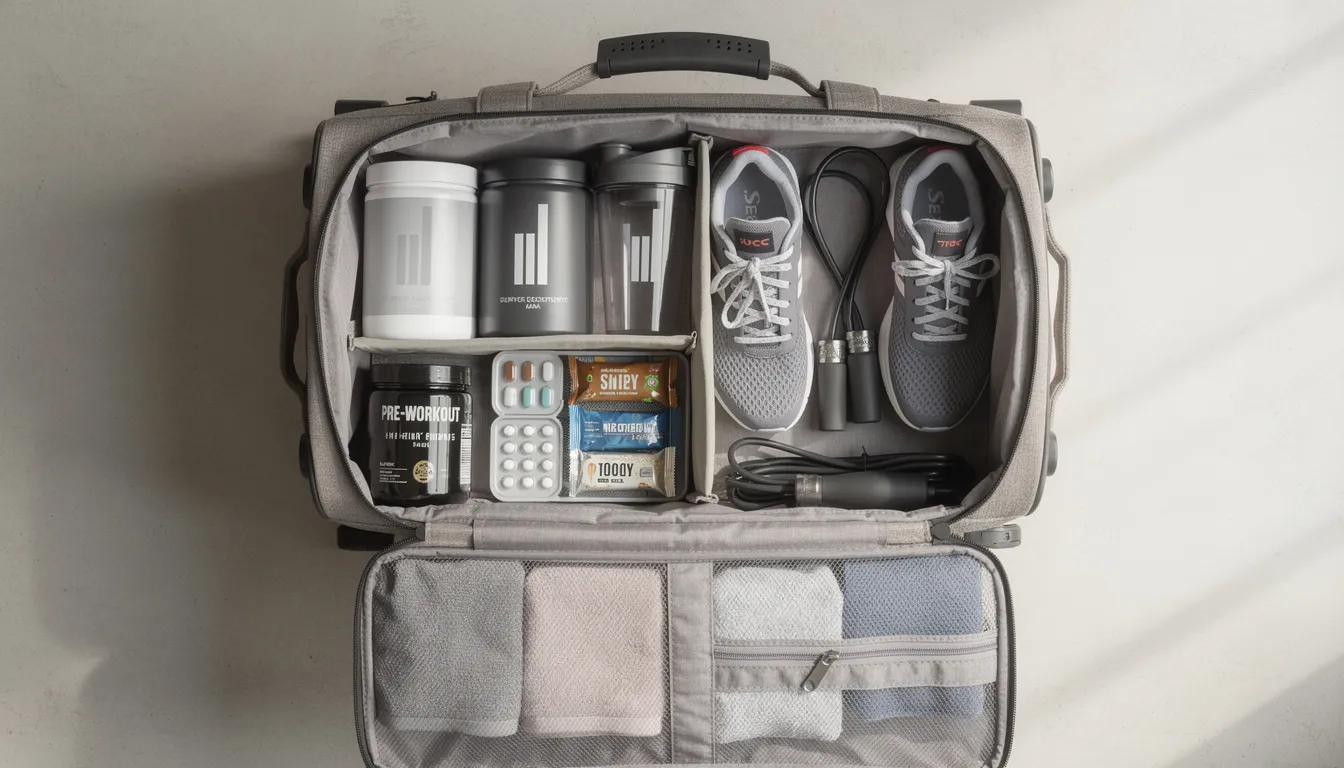
FAQ
Can I bring flavored creatine with sweeteners or coloring through security?
Yes, flavored creatine products with other ingredients like sweeteners, coloring, or added vitamins are treated the same as unflavored powders by TSA. The screening process doesn’t differentiate based on flavor—security is looking for prohibited substances, not checking your supplement’s taste profile. Keep it in original packaging to show the ingredient list clearly.
What if I mix creatine into a liquid before going through security?
Once creatine is dissolved in water or another beverage, it becomes subject to liquid rules rather than powder rules. In most regions, this means containers must be under 100ml (3.4 oz) and fit in your one-liter clear plastic bag with other liquids. For quantities larger than 100ml, you’d need to drink it before security or discard it. Generally, it’s more convenient to bring powder or pills and mix after clearing checkpoints.
Do the same rules apply when flying from the UK or EU?
Similar screening concepts apply across major aviation authorities. The UK and EU treat powder like substances with comparable scrutiny, though specific volume thresholds may differ slightly. Multiple people have confirmed that labeled creatine containers rarely cause issues at European airports. Always check the specific regulations of your departing country’s aviation security agency for the most accurate guidance.
Is there a maximum “personal use” quantity I can travel with?
TSA doesn’t publish a specific weight limit for creatine, but customs agencies worldwide encourage quantities clearly reasonable for your trip length. A general rule: 1-2 months’ worth of supplements (roughly 500g-1kg) is unlikely to raise commercial import suspicions. Bringing 5kg of bulk powder, however, might prompt questions about whether you’re importing for resale. When in doubt, keep quantities modest and bring documentation.
Can I combine creatine and protein powder in the same container?
While technically allowed, mixing different supplements in one container creates identification challenges at security. If officers ask what’s inside, explaining “it’s a mix of creatine and protein powder” sounds less credible than pointing to separate, labeled containers. Keep dietary supplements in their own clearly marked containers. This approach also helps with dosing accuracy and prevents any confusion about what you’re actually taking.
Conclusion and Final Tips
Bringing creatine and protein powder on a plane is entirely possible—and often hassle-free—when you follow TSA regulations and prepare for the specific requirements of your destination country. The key is to pack creatine and other dietary supplements in their original packaging, keep quantities reasonable, and be ready to declare them at customs if asked. Whether you choose to carry your supplements in your carry-on bags for convenience or checked luggage for larger amounts, a little preparation goes a long way.



Leave a comment
This site is protected by hCaptcha and the hCaptcha Privacy Policy and Terms of Service apply.