


-
You can safely put creatine in hot coffee. Any heat-related breakdown is minimal if you drink it within 30–60 minutes of mixing.
-
Creatine monohydrate is heat-stable up to about 60°C (140°F), so normal coffee temperatures are safe.
-
For optimal results, take creatine and caffeine 30–60 minutes before a workout.
-
Combining creatine with coffee may improve exercise performance and improve cognitive performance.
-
Research through 2024 shows caffeine does not significantly cancel out creatine’s strength and muscle benefits for most people.
-
Stick to 3–5 g creatine per day, let very hot coffee cool slightly before adding powder, and stay well-hydrated throughout the day.
-
Some people with sensitive stomachs or high anxiety from caffeine may prefer lukewarm coffee or taking creatine separately in water or a protein shake.
-
The warmth of coffee actually improves creatine solubility, making it dissolve more smoothly than in cold liquids.
Can You Put Creatine in Hot Coffee? (Short Answer)
Yes, you can put creatine monohydrate into hot coffee without ruining your supplement. The combination is safe and keeps most of its effectiveness as long as you drink it reasonably soon after mixing.
Creatine does slowly convert to creatinine (an inactive byproduct) when exposed to high heat and acidity over extended periods. However, the conditions needed for significant degradation—near-boiling temperatures sustained for hours—don’t match how most people actually drink their morning coffee. A typical mug consumed within 30–60 minutes experiences only negligible breakdown.
Modern human studies confirm that creatine and caffeine work through completely different mechanisms. Caffeine blocks adenosine receptors to reduce fatigue, while creatine supports cellular energy production by regenerating adenosine triphosphate in muscle cells. These pathways don’t interfere with each other in any meaningful way for most lifters and athletes.
-
Safe to mix: Adding 3–5 g creatine powder to hot coffee (60–80°C / 140–176°F) preserves the vast majority of active creatine
-
Minimal degradation: Studies estimate less than 1–2% conversion to creatinine in warm coffee over 30 minutes
-
No caffeine conflict: A 2015 randomized controlled trial found no interference between creatine loading (20 g/day) and caffeine intake (300–400 mg) on muscle creatine accumulation or exercise performance
-
Practical routine: Brew your coffee, let it cool for a few minutes, stir in creatine, and drink within 30–45 minutes
-
Know your tolerance: Those prone to jitters, digestive discomfort, or insomnia from consuming caffeine may want to trial creatine with decaf coffee or plain water instead
Creatine Monohydrate Basics: What It Is and How It Works
Creatine is a naturally occurring compound found in your body, synthesized from the amino acids arginine, glycine, and methionine. Your liver, kidneys, and pancreas produce it, though you also get small amounts from dietary sources like red meat and fish.
-
Creatine is an amino acid derivative stored primarily in skeletal muscle, with about 95% existing as either free creatine or phosphocreatine
-
Phosphocreatine acts as a rapid energy reserve, donating its phosphate group to regenerate ATP during intense exercise like heavy squats, sprints, and repeated jumps
-
Standard creatine supplementation follows either a loading phase, which usually consists of consuming 20–25 grams per day for about 5–7 days to quickly saturate the muscles, or a slower approach of 3–5 g/day that reaches muscle saturation in 3–4 weeks
-
Well-established creatine benefits include increased strength and power output, more reps at a given weight, improved training volume, and meaningful gains in lean body mass over months of resistance training
-
Emerging research suggests creatine supplements may also improve cognitive performance, especially in situations of sleep deprivation or low dietary creatine, in addition to the primary focus on muscle performance and athletic performance
Common Side Effects and Safety of Creatine
-
Transient water retention and slight weight gain (1–3 kg) typically occur in the first 1–2 weeks as creatine draws water into muscle cells
-
Occasional stomach discomfort, cramping, or loose stools may happen at higher doses, especially during the creatine loading phase
-
Large systematic reviews in healthy adults with normal kidney function have found no evidence that creatine monohydrate damages kidneys at recommended doses
-
Spreading larger daily amounts into 2–4 smaller servings and taking with food or a beverage (like coffee) reduces GI stress
-
Anyone with pre-existing kidney disease, major medical conditions, or prescription medications should consult a healthcare professional before starting creatine supplements
Caffeine and Coffee: What They Do in Your Body
Caffeine is a central nervous system stimulant present in coffee, tea, energy drinks, and most pre workout supplement formulas. An average 8-ounce cup of brewed coffee delivers roughly 80–120 mg of caffeine, though this varies by brewing method and bean type.
-
Caffeine acts by blocking adenosine receptors in your brain, which reduces feelings of tiredness and increases mental alertness and reaction time
-
Caffeine anhydrous intake is commonly used in pre-workout supplements for athletic performance, often combined with other ergogenic compounds to enhance endurance, strength, and overall exercise outcomes.
-
Performance benefits typically appear at doses of 3–6 mg per kg of body weight, taken 30–60 minutes before training. For optimal results, it is recommended to take creatine and caffeine about 30–60 minutes before a workout.
-
Ergogenic effects include more reps to failure, higher peak power output, and lower perceived exertion during both caffeine ingestion and subsequent exercise
-
Common downsides at high caffeine intake include jitters, anxiety, racing heart, GI upset, and insomnia—particularly when consumed after mid-afternoon
-
Coffee’s mild acidity (pH around 4.9–5.5) doesn’t meaningfully degrade creatine in the short timeframe of normal consumption
How Coffee Pairs with Physical Performance in the Gym
-
Many fitness enthusiasts naturally drink coffee 30–90 minutes before morning sessions, making it a convenient vehicle for daily creatine intake
-
A single moderate serving (100–200 mg caffeine) typically delivers pre-workout benefits without excessive jitters in most adults
-
Caffeine stimulates the nervous system while creatine supports anaerobic power—combining caffeine and creatine offers complementary mechanisms for mental and physical performance, and may improve exercise performance, especially in high-intensity or endurance training
-
People training in the evening should be cautious: pairing creatine with coffee after 3–4 PM can interfere with sleep for those with a 10–11 PM bedtime
-
Those very sensitive to caffeine can mix creatine into decaf coffee, still enjoying the warmth and flavor without significant stimulant effects

Does Hot Coffee Damage Creatine?
The chemistry here is straightforward: creatine in solution slowly converts to creatinine through a process called cyclization. This reaction accelerates with higher temperatures and lower pH (more acidic conditions).
However, context matters enormously. Many laboratory studies showing significant creatine breakdown use near-boiling temperatures or extended storage periods spanning hours to days. These conditions don’t reflect how you’d actually consume a morning brew.
-
Real-world testing in typical drink temperatures shows only a small fraction of creatine degrading during normal consumption time
-
Kinetic models estimate less than 1–2% conversion in warm coffee over 30 minutes—far from the 20–30% losses seen in multi-hour lab experiments
-
Early creatine research in the 1990s actually administered creatine dissolved in hot beverages like tea or coffee, with participants still showing marked improvements in muscle phosphocreatine levels and 8–14% increases in maximal lifts
-
Conservative recommendation: let freshly boiled coffee cool from near 100°C to a more drinkable 60–70°C (140–158°F) before stirring in creatine
-
You don’t need to obsess over exact temperatures; simply avoid boiling-hot coffee and don’t let your creatine coffee sit untouched for hours
Hot vs Lukewarm vs Iced Coffee for Creatine
|
Temperature |
Pros |
Cons |
|---|---|---|
|
Hot coffee (60–80°C) |
Better creatine dissolution, comforting morning ritual, smoother texture |
Slightly faster theoretical degradation if extremely hot and left sitting |
|
Lukewarm coffee (40–60°C) |
Excellent stability, still dissolves easily, gentler on sensitive stomachs |
Requires waiting or intentional cooling |
|
Iced/cold-brew coffee |
Maximum creatine stability, refreshing option for warm weather |
May leave undissolved grit at bottom, requires more stirring or shaking |
-
For heavy loading phases (20 g/day), warmer liquids help avoid chalky texture across multiple servings
-
Creatine dissolves more readily in warm water than cold, so hot drinks offer a practical advantage for mixing creatine with coffee
-
If you’re concerned about any theoretical heat damage, lukewarm coffee offers the best of both worlds
Pros of Putting Creatine in Your Coffee
Many lifters already mix supplements into their morning coffee out of pure convenience. Combining creatine with your daily caffeine habit offers several practical advantages.
-
Consistency boost: Combining a daily habit (morning coffee) with a daily supplement (creatine) increases compliance and reduces forgotten doses—studies show supplementing creatine consistently is more important than timing
-
Taste masking: Coffee’s bold flavor and aroma help mask creatine’s bland taste and mild chalkiness, especially compared with plain cold water
-
Performance synergy: Both caffeine and creatine offer performance benefits through different mechanisms—caffeine reduces perceived exertion while creatine supports short-burst power and training volume
-
Improved solubility: Warmth helps creatine monohydrate powder dissolve more completely, leaving less gritty residue during both loading and maintenance phases
-
Time efficiency: For busy professionals and students, one creatine infused coffee covers both needs with almost no additional prep time
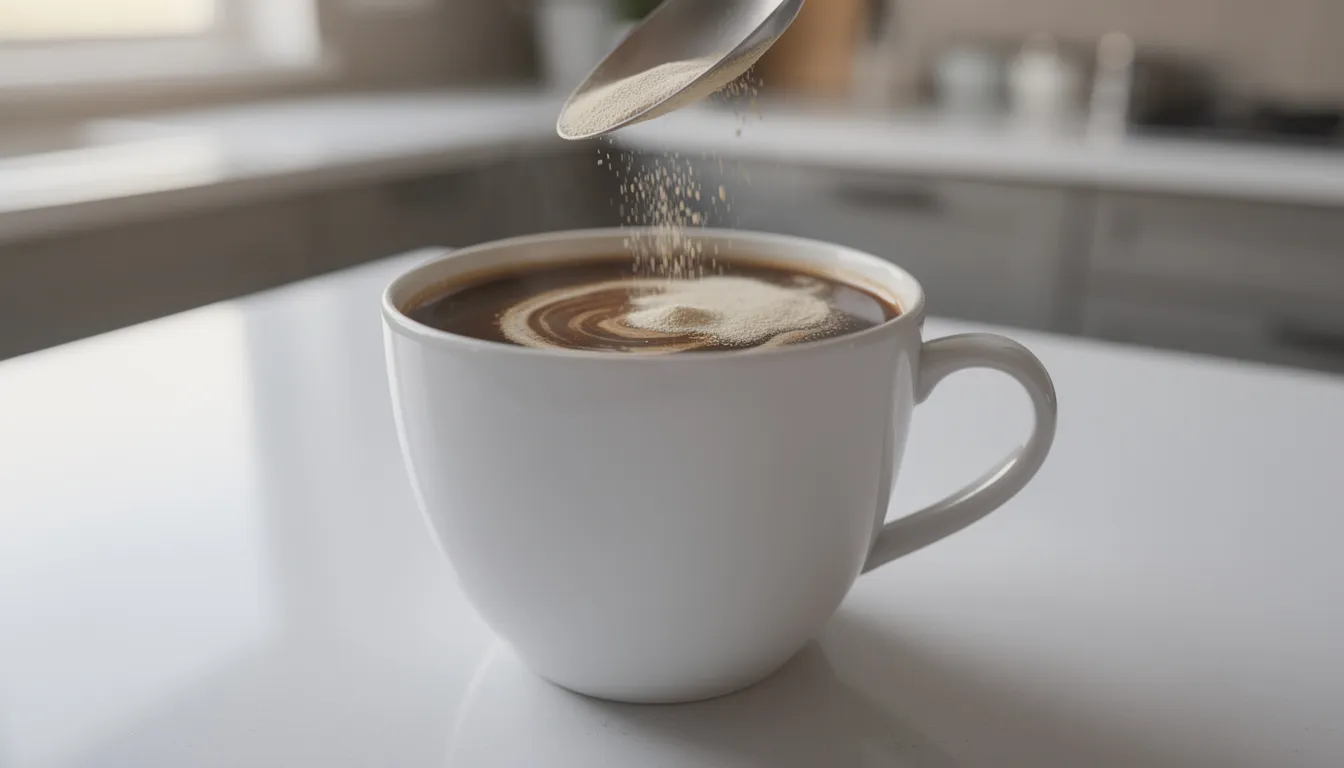
Who Benefits Most from Creatine-in-Coffee?
-
Early-morning lifters who train between 6–9 AM and already rely on coffee for wakefulness
-
People who dislike sweet pre-workout drinks or mixing multiple flavored supplements and prefer something simple like black coffee with creatine
-
Vegetarians and vegans, who typically have lower baseline creatine stores from diet and often see especially noticeable benefits from consistent creatine supplementation
-
Endurance or team-sport athletes doing repeated sprints, hill intervals, or small-sided games where combining creatine and caffeine supports repeated high-intensity efforts
-
Anyone looking to improve sprint performance, increase muscle mass, or enhance both mental and physical performance in a single morning ritual
Potential Downsides and How to Avoid Them
The combination isn’t perfect for everyone. Understanding the potential issues helps you troubleshoot before they derail your routine.
-
GI sensitivity: Combining creatine and coffee can aggravate digestive discomfort in some people, especially when chugging large, very hot servings on an empty stomach—start with smaller amounts and add food if needed
-
Caffeine overload: Multiple coffees plus energy drinks plus a caffeinated pre workout supplement can push total body caffeine too high, causing jitters, elevated heart rate, or poor sleep that indirectly hurts recovery and physical performance
-
Hydration concerns: Creatine draws water into muscles while caffeine has mild diuretic effects; if total water intake is low, some people experience cramping or feel dehydrated
-
The old antagonism myth: Some small 1990s studies suggested caffeine might blunt creatine loading, but subsequent human trials—including a 2015 RCT with 99%+ compliance—found no meaningful interference with muscle creatine accumulation or body composition changes
-
Personal experimentation: If you suspect caffeine counteracts your creatine benefits, try 3–4 weeks of creatine with low or no caffeine and compare training logs
Signs the Combo Might Not Suit You
-
Recurring stomach cramps, nausea, or urgent bathroom trips shortly after drinking creatine coffee, even when consumed with food
-
Noticeable spikes in anxiety, restlessness, or heart palpitations that weren’t present when using coffee alone or creatine alone
-
Consistently disrupted sleep or difficulty falling asleep when taking creatine coffee after late afternoon
-
If these issues occur, first try lowering caffeine intake, switching to decaf, or separating creatine into water or a post-workout protein shake before abandoning creatine entirely
Common Mistakes When Mixing Creatine with Coffee
Mixing creatine with coffee is a convenient way to streamline your supplement routine, but a few common mistakes can undermine your results or cause unnecessary side effects. By steering clear of these pitfalls, you’ll ensure your creatine supplementation supports optimal physical performance and muscle growth.
-
Adding creatine to boiling-hot coffee: Pouring creatine powder directly into coffee that’s just finished brewing at near-boiling temperatures can accelerate the breakdown of creatine, reducing its effectiveness. Let your coffee cool for a few minutes before mixing creatine to preserve its potency.
-
Letting creatine coffee sit for too long: If you prepare a large mug and sip it over several hours, the creatine can gradually degrade, especially in a warm, acidic environment. For best results, only mix creatine with the amount of coffee you’ll drink within 30–60 minutes.
-
Not stirring thoroughly: Creatine monohydrate dissolves better in warm liquids, but it still needs a good stir. Failing to mix well can leave gritty residue at the bottom, making it easy to miss part of your intended dose and reducing the consistency of your creatine intake.
-
Overloading on caffeine: Combining creatine with multiple cups of coffee or other caffeinated drinks can lead to excessive caffeine intake, which may cause jitters, digestive discomfort, or sleep issues. Stick to moderate caffeine levels when mixing creatine with coffee to support both mental and physical performance.
-
Skipping hydration: Both creatine and caffeine can affect your body’s hydration status. Forgetting to drink extra water alongside your creatine coffee can lead to muscle cramps or a feeling of dehydration, which can negatively impact exercise performance and muscle recovery.
-
Inconsistent dosing: Mixing creatine with coffee only on some days or forgetting to take it regularly can limit the muscle growth and performance benefits of creatine supplementation. Make it part of your daily routine for the best results.
By avoiding these common mistakes when mixing creatine with coffee, you’ll maximize the benefits of combining creatine for muscle growth, improved physical performance, and a more effective supplement routine.
Best Practices: Mixing Creatine with Coffee into Hot Coffee
Follow these steps to get the same benefits without overthinking the process.
-
Dose correctly: Use 3–5 g creatine monohydrate per day, measured with a small digital scale or the manufacturer’s scoop if accurately labeled—this is how much creatine most research supports for maintenance
-
Let it cool briefly: Brew coffee as usual, then wait 3–5 minutes before adding creatine powder to avoid temperature extremes and improve drinkability
-
Stir thoroughly: Mix for 15–30 seconds until the powder visibly dissolves, then consume creatine within about 30–60 minutes instead of letting it sit all morning
-
Stay hydrated: Pair your creatine coffee with at least one extra glass (250–500 ml) of water in the morning to support hydration and improve creatine absorption into muscle cells
-
Manage loading phases: If doing a creatine loading phase with 20 g/day, spread the total into 4 smaller servings—morning coffee, mid-morning water, pre-workout, evening water—to minimize GI stress
Timing Around Your Workout and Sleep
-
Morning workouts: Drink creatine coffee about 30–60 minutes before training to align caffeine’s peak effect with exercise start while maintaining daily creatine consistency
-
Afternoon workouts: Taking creatine earlier with morning coffee works fine since creatine operates through muscle saturation, not acute timing—take creatine whenever convenient
-
Sleep protection: Avoid caffeinated creatine coffee within approximately 6 hours of bedtime if you struggle with sleep; use decaf or plain water for late-day creatine instead
-
Missed doses: If you forget morning creatine, take it later with a non-caffeinated drink rather than skipping entirely—consistency matters more than perfect timing
Alternatives If You Don’t Want Creatine in Coffee
Not everyone loves the combination. Here are practical alternatives that still deliver the potential benefits of consistent supplementation.
-
Room-temperature or warm water: Improves solubility compared to cold water and avoids any caffeine-related side effects or sleep disruption
-
Fruit juices: Pairing creatine with a small amount (120–180 ml) of orange juice or grape juice post-workout may enhance creatine transport into muscles due to the carbohydrate-induced insulin response
-
Protein shake or smoothie: Adding creatine to a post-workout shake supports muscle protein synthesis and muscle growth while masking any residual gritty texture
-
Creatine capsules: Another option for those who dislike powders, though total capsule count may be high (often 4–7 capsules to reach 3–5 g)
-
Choose what sticks: Long-term consistency matters more than any small timing or mixing differences—pick the method you’ll actually use daily to boost energy and enhancing exercise performance

Separating Creatine and Coffee on Purpose
-
Beginners who want to isolate effects can trial creatine alone in water for a few weeks before adding creatine to their morning brew
-
People with very sensitive digestion may do better taking creatine with a meal and coffee at a different time
-
During high-stress periods or when working on sleep quality, some choose to stop consuming caffeine temporarily while continuing creatine for training support
-
Separating the two doesn’t reduce creatine’s long-term effectiveness—it simply changes your routine and may help you identify what works best for your body
FAQ
Q: Can I premix creatine in a big thermos of hot coffee and sip it all morning?
A: It’s better not to. Creatine breaks down gradually once dissolved, especially in hot drinks with mild acidity. Instead, add creatine to the portion you’ll drink within the next hour, or mix it in water later in the day. Letting creatine coffee sit for several hours increases unnecessary degradation.
Q: Does it matter if I take creatine with my first coffee before breakfast?
A: For most healthy people, taking creatine with black coffee on an empty stomach is fine. However, if you notice cramps, nausea, or digestive discomfort, try pairing it with a light breakfast or taking it after you’ve eaten. Adding food often reduces GI issues during both loading and maintenance phases.
Q: Is creatine with coffee safe for women?
A: Yes. Research on creatine supplements includes both men and women, and the standard daily dose of 3–5 g is considered safe for healthy adults regardless of sex. The potential benefits for muscle relaxation time, cognitive function, and improve endurance performance apply equally. Just ensure you don’t have underlying kidney issues and keep caffeine intake moderate.
Q: Can I use flavored coffee creamers or milk with creatine?
A: Absolutely. Dairy milk, plant-based milks, and most creamers don’t harm creatine or affect creatine absorption. Just account for extra calories and sugar if you’re tracking nutrition. Slightly warm, milky coffee can actually help micronized creatine dissolve even more smoothly than black coffee.
Q: How long should I stay on creatine if I’m taking it in coffee every day?
A: There’s no strict cycling requirement for healthy adults. Many people use 3–5 g daily for months or years with continued benefits for muscle mass, cognitive performance, and resistance training. If you decide to stop, there’s no dangerous rebound effect—your muscles simply return to baseline creatine levels over several weeks as you stop supplementing creatine.


Leave a comment
This site is protected by hCaptcha and the hCaptcha Privacy Policy and Terms of Service apply.