


-
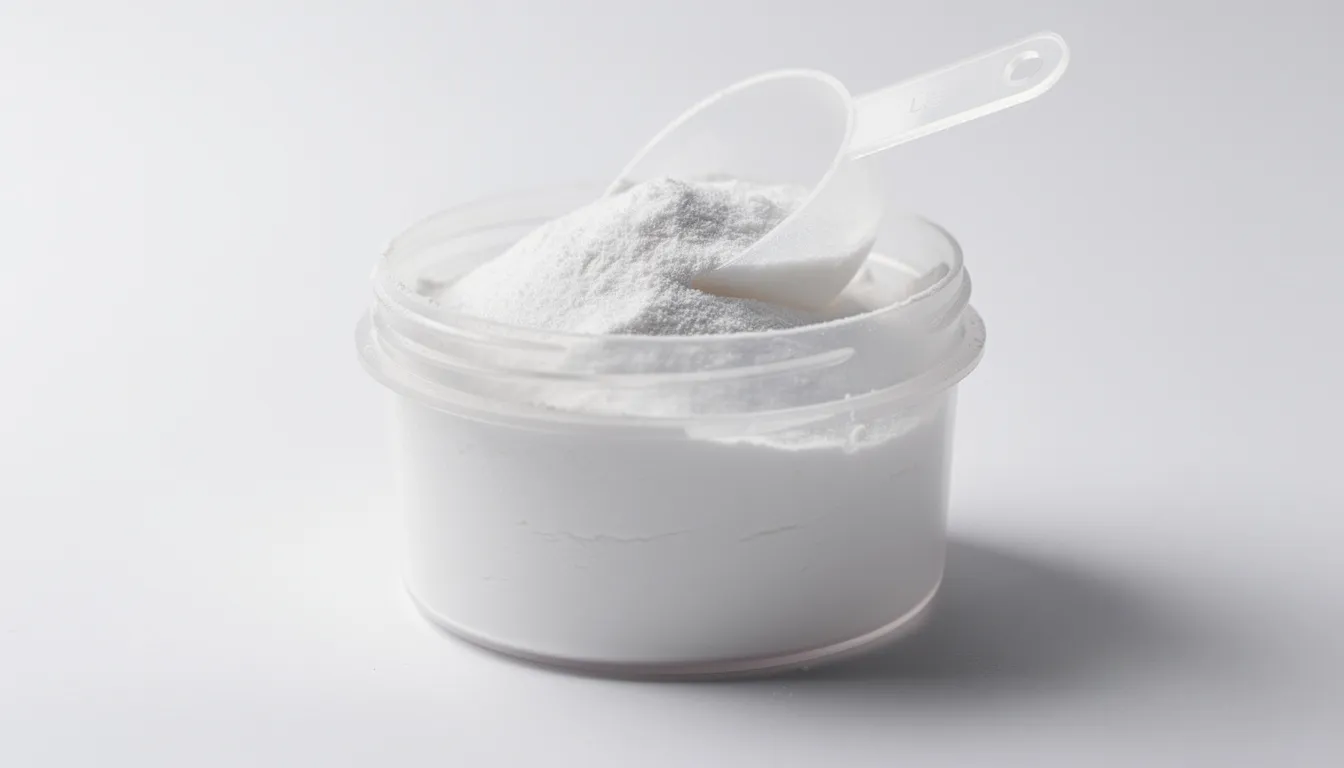
Yes, creatine has an expiration date printed on the label, but creatine monohydrate powder typically stays safe and mostly potent for several years when stored properly in a cool, dry environment.
-
Unopened creatine monohydrate powder usually maintains effectiveness for at least 2–3 years from manufacture, with research suggesting stability extends to 3–5+ years under good storage conditions.
-
The main risk after “expiration” is reduced potency (more creatinine, less usable creatine), not toxicity—as long as there’s no mold, strong odor, or color change.
-
Liquid creatine, flavored mixes, and creatine ethyl ester degrade significantly faster and generally shouldn’t be used long past their printed date.
-
Clumps alone usually indicate moisture exposure, not that the product is unsafe—but badly stored or suspect creatine is cheap enough that replacing it is the smart choice.
Does Creatine Actually Expire? (Quick Answer)
Dietary supplement manufacturers print expiration or “best by” dates on creatine products, typically setting these 2–3 years after production. But here’s the reality: creatine monohydrate powder is one of the most chemically stable supplements you can buy, and it often remains effective well beyond this window.
Unlike food that rots or medications that can become dangerous, creatine doesn’t spoil in the traditional sense. Instead, over many months or years, it slowly converts into creatinine—a waste product that your body naturally produces and excretes anyway. This breakdown product is less useful for boosting your phosphocreatine stores and exercise performance, but it’s not inherently toxic at the doses you’d encounter from slightly degraded creatine supplementation.
Real-world stability data backs this up. Research shows that powdered creatine monohydrate resists significant breakdown for approximately 3–5 years at room temperature. One study in the journal Amino Acids demonstrated no meaningful degradation even after exposure to temperatures up to 104°F (40°C) for 3 years. The expiration date on your tub is a conservative quality marker required for labeling—not a strict “unsafe after this day” cutoff.
What Is Creatine and Why Stability Depends on Its Form?
Creatine is an amino acid derivative made from arginine, glycine, and methionine. Your body naturally produces it, and it plays a crucial role in regenerating adenosine triphosphate (ATP) during short, intense efforts like heavy lifting, sprints, or high intensity exercise. By maintaining your body’s creatine stores, supplementation helps support muscle growth, muscle mass, and overall exercise performance.
When it comes to shelf life of creatine, the chemistry matters:
-
Dry, crystalline creatine is extremely stable because the creatine molecule resists breakdown when moisture is absent
-
Dissolved or heavily processed forms degrade much faster due to chemical reactions in solution
Here’s how common forms of creatine compare in terms of stability:
|
Form |
Stability |
Typical Shelf Life |
|---|---|---|
|
Creatine monohydrate powder |
Very high |
2–3 years labeled (often stable 4–5+ years) |
|
Creatine capsules/tablets |
High |
Similar to powder if kept dry |
|
Flavored creatine blends |
Moderate |
1.5–2.5 years (additives may degrade) |
|
Liquid creatine supplements |
Low |
Weeks to months |
|
Creatine ethyl ester |
Lower |
Hydrolyzes faster in moisture |
|
Creatine hydrochloride (HCL) |
Moderate-High |
Similar to monohydrate |
|
Creatine magnesium chelate |
Moderate |
Less studied for long-term stability |
|
Creatine salts |
Variable |
Depends on specific formulation |
The bottom line: whether creatine supplements work past their expiration date depends heavily on whether you’re dealing with a dry monohydrate powder or a mixed/liquid creatine product.
How Long Does Creatine Last? (Realistic Shelf-Life Timelines)
Most creatine products show a shelf life of 24–36 months from manufacture, typically printed as a month/year on the bottom or side of the container. But how long does creatine actually remain usable?
Here are realistic timeframes for different creatine products:
-
Creatine monohydrate powder (unopened, stored cool and dry): Usually maintains most potency for at least 3 years, with research suggesting stability extends to approximately 4–5+ years with minimal degradation.
-
Creatine monohydrate powder (opened, tightly sealed in a dry cupboard): Often fine for 1–3 years after opening, assuming no obvious contamination, mold, or odor changes.
-
Capsules/tablets: Roughly similar to powder; coatings may offer slight moisture protection but aren’t magic—aim for 2–3 years from manufacture if stored properly.
-
Flavored powders and “all-in-one” pre-workouts containing creatine: Practical shelf life closer to the printed 1.5–2.5 years because other ingredients (flavors, sugars, stimulants) can degrade or cake sooner.
-
Liquid creatine products and pre-mixed drinks: These may begin losing creatine content within weeks or months of bottling and generally shouldn’t be used long past the labeled date.
Laboratory stability studies reinforce just how resilient dry creatine monohydrate is. Testing at temperatures up to 140°F (60°C) for nearly 4 years showed only noticeable degradation under these extreme conditions—far exceeding typical household storage. A tub of creatine manufactured in March 2023 is typically labeled best by March 2025 but likely remains usable well beyond that if stored correctly.
How to Tell If Your Creatine Has Gone Bad
There’s no single “magic date” that determines whether your creatine is good or bad. You need to assess both the printed date and how the product looks, smells, and behaves.
Here’s what to check:
-
The printed date: Learn to read common formats like “EXP 08/2027” or “Best By 03/25.” A product only slightly past its expiration date is often still fine if it’s been stored well.
-
Clumps or hardening: Small, dry clumps usually mean mild moisture exposure and are common in older tubs. The creatine is still likely safe, but this is a sign potency may be drifting down as some creatine slowly converts to creatinine.
-
Major texture changes: Rock-hard brick consistency, wet or sticky feeling, or visible caking stuck to the sides or lid suggests significant moisture exposure. Replace the product.
-
Color changes: Pure creatine monohydrate supplements should be white to off-white. Yellowing, grey tones, or speckled discoloration can signal contamination.
-
Odor: Fresh creatine powder is almost odorless (pure creatine may have a faint, mild note). Sour, musty, or chemical smells indicate spoilage or contamination—discard immediately.
-
Taste: If a previously neutral or mildly flavored powder suddenly tastes bitter, sour, or “off,” stop using it and open a new container.
Important: Clumpy creatine by itself isn’t proof of expiration. Clumpy but normal-smelling, normal-colored creatine is often still safe—just possibly less convenient to scoop and slightly less potent.
Automatic discard situations: Mold, visible growth, or any sign of bugs are immediate reasons to throw the product away, regardless of the printed date.
Is Expired Creatine Safe to Use?
For healthy adults, creatine monohydrate that’s a bit beyond its expiration date and has been stored properly is generally considered safe to consume. The primary concern is reduced effectiveness, not poisoning.
Here’s what you need to understand:
-
What “expired” really means: Most dates mark when the manufacturer guarantees full potency assuming ideal storage. It’s not a sudden switch to being dangerous.
-
Safety vs. potency: Creatinine (the breakdown product) is normally filtered by healthy kidneys. Small increases from slightly degraded creatine aren’t known to be harmful at typical 3–5 g daily doses.
-
When it’s probably fine: An unopened tub kept in a cool, dry cupboard, a year or two past its expiration date, still white, odorless, and free of mold or odd taste—likely safe though maybe slightly less potent.
-
When to be cautious or discard: Significantly out-of-date product (more than 5–6 years past manufacture) combined with unknown storage history, noticeable smell or color change, or any signs of biological growth.
-
Population-specific caution: Anyone with kidney disease, major chronic illness, pregnancy, or on multiple medications should consult a healthcare provider before using creatine at all, and should definitely avoid very old or questionable tubs.
The practical reality: creatine is relatively inexpensive at roughly $0.03–0.10 per 5g serving. When in doubt, replacing a questionable tub is the simplest and safest option.

Can Creatine Lose Potency Over Time?
Yes, even though creatine monohydrate is remarkably stable, some portion slowly converts to creatinine over time—especially with heat and moisture exposure. This is the primary way creatine “expires.”
Key points about potency loss:
-
Well-stored powdered creatine usually maintains a high percentage of its original creatine content for several years, especially within the first 2–3 years.
-
Potency loss is gradual, not abrupt. An older tub might provide slightly less benefit per 5g scoop, which most fitness enthusiasts won’t notice unless the product is very old or poorly stored.
-
Liquid creatine or ready-mixed creatine solutions lose potency much faster—often over days to weeks—so they should be consumed far closer to their printed date.
Practical tip: If you suspect mild potency loss but the powder otherwise looks fine, you could finish the tub while slightly increasing your serving (for example, 4–6g instead of 3–5g), as long as you’re a healthy adult staying within typical safe intake ranges.
Is It Safe to Use Creatine Past Its Expiration Date?
For healthy people, taking expired creatine monohydrate a year or two past its expiration date is usually safe if it passes visual and smell checks.
-
Clinical trials of creatine at standard daily doses over many months show excellent safety profiles. The main change after expiration is quality, not a new safety risk.
-
Consuming expired creatine won’t give you “extra” side effects. If anything, it may produce fewer performance benefits because the creatine content is lower.
-
If you have any doubt or discomfort about a product’s age or storage history, discard it. A new tub from a reputable brand is easy to obtain and not costly.
Using creatine past its expiration date comes down to practical judgment, not rigid rules.
Is Creatine Still Good If It’s Clumpy or Hardened?
Clumping is one of the most common concerns when reopening an older tub of creatine powder.
Here’s what’s actually happening and what to do:
-
Creatine naturally pulls moisture from the air (it’s slightly hygroscopic), causing it to clump or solidify into chunks over time.
-
As long as the powder is still white or off-white, with no smell and no visible growth, clumping alone usually doesn’t make creatine unsafe—only slightly inconvenient and potentially slightly less potent.
-
Practical fixes: Break up clumps with a clean, dry utensil, or transfer the powder into a new airtight container. Some people add a fresh desiccant packet to help control humidity.
-
Red flags: If clumping is accompanied by yellowing, gray patches, dark spots, or a musty odor, the product should be thrown away immediately.
The likely scenario for long-stored, clumpy creatine that otherwise looks normal: safe but slightly weaker.
How Long Can You Keep Creatine Once Opened?
In practice, most people finish a standard 300–500g tub within 2–4 months at 3–5g per day, well inside any realistic stability concerns.
Here are usable timelines:
-
Creatine monohydrate powder (tightly closed, cool dry cupboard): Typically fine for at least 12–24 months after opening, provided it’s within approximately 3–5 years of manufacture.
-
Flavored creatine blends: Aim to use within 6–18 months after opening; flavors and sweeteners can degrade and change taste.
-
Liquid creatine or pre-mixed drinks: Consume by the printed date and within days after opening; microbial growth and faster breakdown are bigger concerns.
Practical tip: Write the opening date on the lid with a marker so you can track how long it’s been in use.
Best Practices for Storing Creatine (To Maximize Shelf Life)
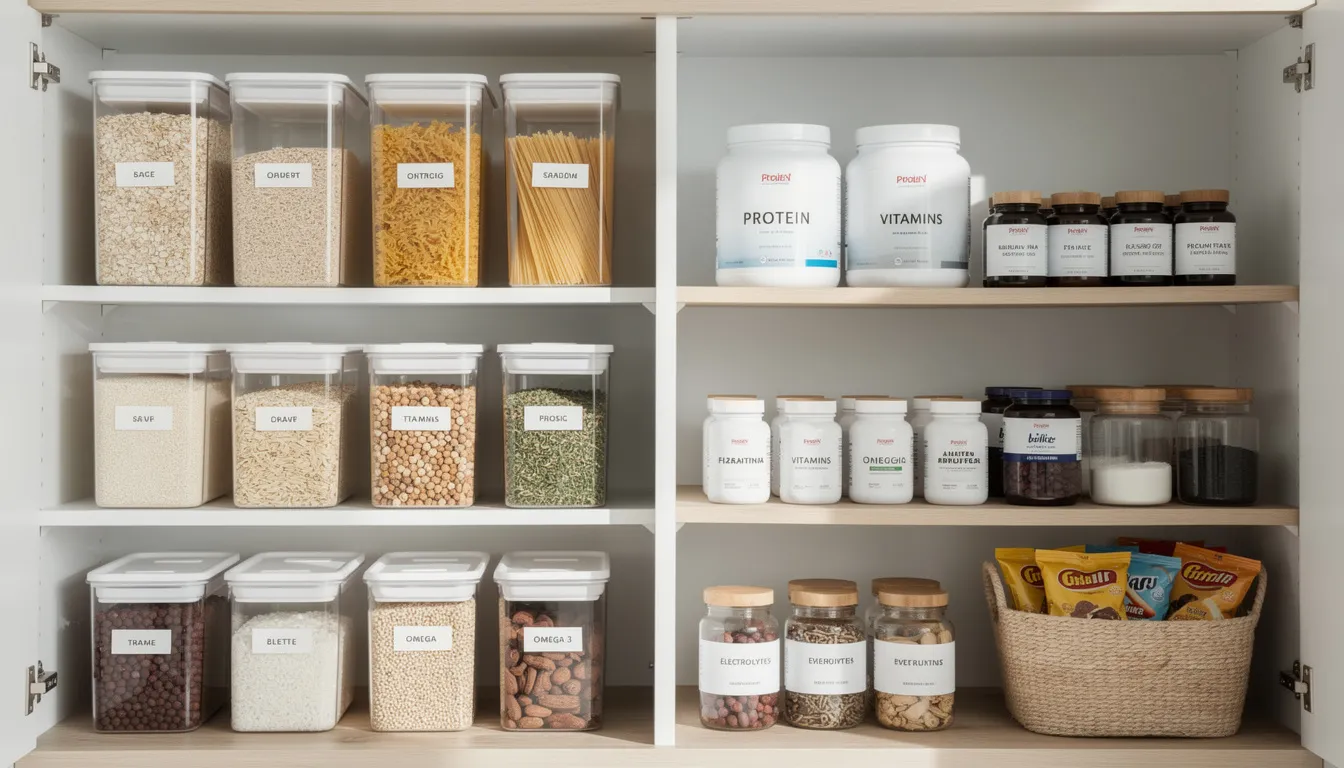
Storage conditions—especially heat, light, and moisture—are the biggest factors determining how long creatine stays potent. Proper storage can extend creatine’s shelf life significantly beyond the printed date.
Follow these guidelines to store creatine properly:
-
Location: Keep creatine in a dark, room-temperature cupboard away from ovens, radiators, and sunny windows. Approximately 60–77°F (15–25°C) is ideal. Avoid storing in bathrooms or near kettles where humidity fluctuates.
-
Container: Leave it in the original, food-grade tub with the lid fully sealed. If transferring to another container, choose an airtight, opaque jar and avoid frequent lid opening.
-
Moisture control: Never store creatine where it might be exposed to moisture. Humidity speeds conversion to creatinine and can allow mold growth. Keep it in a dry environment, not in gym bags where temperature and humidity swing wildly.
-
Handling: Always use a clean, dry scoop or spoon—never wet or damp utensils—to prevent introducing water or contaminants.
-
For travel: Double-bag powder in sealable plastic bags or smaller airtight tubs. Keep them out of hot cars or direct sunlight. Never leave creatine in a vehicle trunk for extended periods during summer.
-
Desiccant packets: Some people add a fresh desiccant packet to the tub to help control humidity, but this doesn’t compensate for very poor storage conditions.
Prolonged exposure to high temperatures or humidity is the enemy. A tub that’s been left in a steamy bathroom or hot garage for months has likely degraded more than one kept in a climate-controlled pantry.
Creatine in Water and Other Liquids: Does It “Expire” Faster?
Creatine becomes significantly less stable once dissolved in water or other liquids, especially if left sitting for long periods or in warm environments.
Here’s what happens and how to handle it:
-
In solution, creatine gradually converts to creatinine. The rate increases with higher temperature and lower pH (more acidic drinks like citric acid-based juices).
-
Best practice: Mix creatine shortly before drinking and consume within a few hours, particularly with warm water or acidic beverages like juice or pre-workout mixes.
-
Refrigeration helps: Storing pre-mixed creatine in the fridge for several hours (preparing a shake in the morning to drink at lunch) is generally acceptable. Leaving a bottle at room temperature for many hours or overnight is not ideal.
-
Safety note: Occasional delays won’t make the drink dangerous—they mainly reduce how much usable creatine you get versus creatinine.
Practical examples:
-
Mixing creatine in a shaker bottle at 8 a.m. and drinking it by noon: acceptable
-
Leaving that same mix in a hot car for 24 hours: discard it
Unlike protein powder which might develop bacterial growth, creatine in liquid primarily loses potency rather than becoming unsafe. But liquid creatine supplements sold pre-mixed are a different story—they start degrading from the moment of manufacture.
When Should You Definitely Throw Creatine Away?
Some situations call for immediate disposal, regardless of the printed date or how much you paid for the product.
Must-discard scenarios:
-
Visible mold, fuzzy spots, or any insect presence (small bugs or larvae) inside the tub or stuck to the lid
-
Strong or unusual odors: sour, musty, rancid, or chemical smells when you open the container
-
Obvious color shifts from white/off-white to yellow, grey, brownish, or speckled with dark points
-
A history of severe storage abuse: months stored in a steamy bathroom, sitting in standing water, or repeatedly left in a very hot car through summers
-
Very long timeframes since purchase: an opened tub at the back of a cupboard that’s 6–8+ years old with unknown storage history
Simple rule of thumb: If you feel even mildly unsure or uneasy every time you look at the tub, replace it. The cost of a new container is trivial compared with your health and training progress.
Using fresh creatine from a reputable brand ensures both safety and maximum performance benefits. Don’t let an old tub compromise your supplement routine or your results from high intensity exercise.
FAQ: Creatine Expiration and Use
Can expired creatine make a drug test show high creatinine?
Creatine supplementation—whether from expired or fresh product—can slightly raise creatinine levels on blood tests because creatinine is its breakdown product. This is expected and doesn’t indicate kidney damage in otherwise healthy people. However, you should always tell your doctor about any dietary supplements you’re taking before lab work to avoid confusion about test results. Taking expired creatine won’t cause dramatically higher creatinine than fresh creatine would.
Does expired creatine cause extra bloating or stomach issues?
Older creatine isn’t inherently more likely to cause bloating than fresh creatine. Digestive side effects relate more to dose size, individual sensitivity, and whether you’re drinking enough water. Some people find that creatine HCL or micronized creatine monohydrate may decrease bloating compared to standard formulations. However, poorly stored or contaminated powder could potentially cause stomach upset and should be avoided. If your creatine looks and smells normal, aging alone shouldn’t increase gastrointestinal issues.
Is it safe to buy discounted creatine that’s close to its expiration date?
Buying tubs within a few months of their printed date from reputable retailers is usually fine, especially if you know you’ll finish them quickly. Most creatine supplements offer the same benefits whether you buy them fresh or near expiration, assuming proper storage. Check that seals are intact, packaging isn’t damaged, and the product hasn’t been sitting in direct sunlight or poor conditions. This can be a smart way to save money on a versatile supplement.
Can I store creatine in the fridge or freezer to make it last longer?
Refrigeration is usually unnecessary and can actually introduce condensation if the tub is repeatedly taken in and out of cold storage. Temperature fluctuations cause moisture to form inside the container. A stable, cool cupboard is better for most situations. That said, storing a well-sealed, unopened tub in a consistently cold, dry environment (like a freezer) won’t harm it if moisture is completely excluded—just don’t move it back and forth.
Is there any difference in expiration between micronized creatine and regular creatine monohydrate?
Micronized creatine monohydrate is simply finely ground monohydrate with smaller particle size for better mixability. Its chemical stability and expiration are essentially identical to standard creatine monohydrate. The label date and storage conditions matter far more than whether it’s micronized or standard particle size. Both forms can help raise anabolic states and support muscle cells during training when properly stored and used within reasonable timeframes.


Leave a comment
This site is protected by hCaptcha and the hCaptcha Privacy Policy and Terms of Service apply.