


-
Women generally have 70-80% lower natural creatine stores than men, making creatine supplementation especially beneficial for closing this gap
-
Creatine can improve muscle strength, high-intensity exercise performance, muscle maintenance, mood, and cognitive function in women across the lifespan—from active 20-somethings to postmenopausal women
-
Standard doses of 3-5g creatine monohydrate daily are considered safe for healthy women according to major sports nutrition position stand guidelines, with minimal and mostly mild side effects
-
Creatine is not a steroid, does not inherently make women “bulky,” and most short-term body weight changes are due to harmless water shifts in muscle cells, not fat gain
-
Research suggests creatine benefits extend beyond the gym to support brain health, reduce mental fatigue, and help manage age related muscle loss
What Is Creatine and Why Does It Matter More for Women?
Creatine is a naturally occurring compound your body synthesizes from three amino acids—arginine, glycine, and methionine—primarily in the liver, kidneys, and pancreas. It’s stored mainly in muscle tissue and the brain, where it serves one critical purpose: helping regenerate adenosine triphosphate (ATP), your body’s immediate energy currency during intense exercise and mental work.
About half of your daily creatine comes from internal production, while the other half typically comes from dietary sources like red meat, fish, and animal milk. This means women who eat little meat, follow vegetarian or vegan diets, or simply have lower dietary creatine intake often have especially depleted creatine levels.
Here’s what makes this particularly relevant for women: on average, women have significantly lower endogenous creatine stores than men—around 70-80% lower in some muscle comparisons. This biological difference may partly explain why women sometimes experience different patterns in strength, fatigue, and recovery compared to men. Lower creatine stores mean less phosphocreatine available to rapidly regenerate energy during high intensity exercise or demanding cognitive tasks.
Creatine supplements simply top up those natural stores, allowing muscle cells and brain cells to recycle energy faster during intense activity and high mental stress. Think of it as filling a gas tank that’s been running on low.
Most historical research and marketing focused heavily on male athletes, which created lasting misconceptions that creatine is “not for women.” However, research from the 2010s onward has increasingly highlighted unique creatine benefits for women across their reproductive lifespan—from active young adults to perimenopause and beyond.

How Creatine Works in the Female Body Across the Lifespan
Creatine homeostasis refers to the balance of making, transporting, and using creatine throughout your body. For women, this balance is significantly influenced by sex hormones—particularly estrogen and progesterone—which fluctuate across the menstrual cycle, pregnancy, and menopause.
Estrogen and progesterone affect creatine kinase activity and enzymes involved in creatine synthesis (like arginine-glycine aminotransferase, or AGAT). This means different phases of life—puberty, regular menstruation, pregnancy, perimenopause, and post-menopause—all carry different implications for creatine needs and responses.
During a normal menstrual cycle, creatine metabolism may shift noticeably. Higher estrogen levels during the late follicular and luteal phases may offer some protective effects on muscles, while low-estrogen phases (early follicular/menstruation) could be when creatine support proves most useful. Studies have shown that creatine loading during different cycle phases produces measurable differences in cellular hydration and phase angle—a bioimpedance marker of cellular integrity.
Pregnancy, postpartum, and menopause all bring major hormonal changes that appear to alter creatine handling. However, high-quality human trials in these populations remain limited, meaning recommendations are conservative and emphasize medical guidance.
The bottom line: Women’s creatine needs and responses are not static. They change with age, hormonal status, and life stage—making personalized approaches valuable.
Creatine and the Menstrual Cycle
Creatine kinase (the enzyme that uses creatine phosphate for energy) tends to fluctuate throughout the menstrual cycle. Some data suggest higher activity and different muscle-damage responses during high-estrogen phases, which could influence recovery and training tolerance.
Women who train hard might notice better tolerance to training volume or slightly improved muscle recovery during mid-cycle compared to early menstruation. Consistent creatine intake can help smooth these performance differences, providing a more stable energy buffer regardless of cycle phase.
Coaches and lifters can consider pairing creatine use with smart programming—perhaps scheduling heavier or more explosive sessions during mid-cycle and slightly lighter, technique-focused work during the first days of menses. However, this remains optional and highly individualized. Early research in this area shows promise, but female-specific studies are still catching up to the male-dominated literature.
Performance Benefits: What Creatine Does for Active Women
Creatine’s clearest, most consistently proven effects of creatine for women center on strength, power, and high-intensity athletic performance. If you lift weights, sprint, do HIIT, CrossFit, play soccer or basketball, or engage in any sport requiring repeated bursts of effort, you’re most likely to feel obvious improvements from taking creatine supplements.
Many studies in female participants report improvements in muscular strength and sprint performance without the large-scale weight gain some women fear. Let’s break down what the research actually shows.
Strength and Power Gains
Short-term creatine loading (around 20g/day for five to seven days) or consistent daily dosing (~3-5g/day for several weeks) increases intramuscular phosphocreatine. This allows women to push harder during sets, especially in the 5-15 rep range where phosphocreatine demand is highest.
Trials in both trained and untrained women have found significantly greater improvements in:
-
1RM strength (bench press, leg press, squat)
-
Muscular endurance and total training volume
-
Recovery between sets and sessions
When creatine is combined with resistance training, these effects compound over time. Not every woman responds equally—non-responders exist in any supplement study—but on average, creatine makes it easier to add load, perform extra reps, and recover faster between sets.
Practical example: A woman who typically struggles through her last 2 reps of squats might find herself completing an additional 1-3 reps per set after several weeks of creatine supplementation. Over months, that extra work translates to meaningfully better muscle growth and strength gains.
High-Intensity Exercise and Sports Performance
Creatine particularly shines during short, repeated efforts lasting about 10-30 seconds—sprints, repeated jumps, rowing intervals, volleyball rallies, or basketball fast breaks.
Female-only studies have reported roughly 10-20% improvements in some measures of anaerobic power or sprint performance after a loading phase. Results vary by protocol and training status, but the direction is consistently positive for exercise capacity in explosive activities.
In endurance settings, creatine may not directly boost VO2 max, but it can improve:
-
Repeated sprint ability within a longer event
-
Finishing kicks at the end of races
-
Recovery from hard interval sessions
Practical examples: Soccer or hockey players doing repeated sprints often report less drop-off in speed across the game. Group fitness participants doing HIIT circuits may notice they can maintain power output better across rounds. Runners adding interval work find their legs recover faster for the next hard effort.
Body Composition: Muscle, Fat, and “Bulking” Concerns
Let’s address the elephant in the room: many women worry creatine will make them look bulky or puffy. The evidence tells a different story.
Studies show modest increases in lean tissue mass with little to no increase in body fat when creatine is paired with weight training. Women using creatine and lifting weights typically see:
|
Outcome |
Typical Change |
|---|---|
|
Lean mass |
Modest increase (1-2 kg over months) |
|
Body fat |
No change or slight decrease |
|
Scale weight (short-term) |
0.5-1 kg increase (water, not fat) |
|
Muscle fullness |
Often improved appearance |
Any initial weight gain during the first week of a high loading protocol is mostly water stored inside muscle cells. This can actually make muscles look fuller and more defined rather than creating generalized bloating. Over months, women using creatine and resistance training appears to produce better gains in muscle size and strength, sometimes with modest reductions in body fat percentage.
The key insight: creatine does not cause fat gain. Any increase in body fat would come from excess calorie intake, not from the creatine itself.

Creatine for Women Beyond the Gym: Mood, Brain, and Sleep
Creatine isn’t just a dietary supplement for athletes. The brain also relies heavily on creatine and phosphocreatine to maintain energy during cognitive and emotional stress. Given that women experience higher lifetime rates of depression and anxiety, and that hormonal transitions often trigger mood and cognitive symptoms, this aspect of creatine benefits deserves attention.
Research suggests creatine may support mood, reduce mental fatigue, and improve some aspects of brain function—particularly under stress or sleep deprivation. However, creatine is not a replacement for professional mental-health care or good sleep hygiene. Think of it as a supportive tool within an overall wellness plan.
Mood and Depression Support
Brain energy imbalance and altered creatine metabolism have been observed in people with major depressive disorder. Raising brain creatine levels may help normalize neurotransmitter function and cellular energy availability in regions involved in mood regulation.
Small clinical studies in women suggest creatine, when added to antidepressant treatment, can accelerate or enhance mood improvements compared with medication alone. Some research has shown reduced depressive symptoms with effect sizes comparable to pharmaceutical interventions in certain subsets.
Important caveat: Women should never add or change supplements for mood without consulting their doctor or psychiatrist, especially when taking psychiatric medications. Women with bipolar disorder should be particularly cautious, as some case reports have linked creatine to mood elevation or manic episodes in these individuals.
If you’re struggling with mood, professional help is the first line of support. Creatine may be a potential adjunct under supervision, not a standalone treatment.
Cognition, Focus, and Brain Fog
Creatine helps brain cells regenerate ATP during heavy mental work, which may improve tasks requiring:
-
Sustained attention
-
Working memory
-
Quick decision-making
-
Mental processing speed
Studies in older adults and sleep-deprived individuals have reported better cognitive test performance and less mental fatigue after creatine supplementation.
Women in perimenopause and menopause often report brain fog and forgetfulness as frustrating symptoms. At least one trial in midlife women found improved reaction time and self-reported mood with creatine use over several weeks.
While claims should remain moderate—“may support” rather than “guarantees dramatic changes”—the cognitive function benefits represent an exciting area of ongoing research.
Short-Term Sleep Deprivation and Fatigue
In situations of acute sleep loss—new parenthood, night shifts, travel, or intense work periods—creatine may help maintain cognitive performance and reduce perception of effort during the next exercise session.
Research has shown creatine helping reduce extreme fatigue after recovery from severe illness, which relates to realistic situations like recovering from intense training blocks or temporary overwork.
Creatine is not a sleep replacement and doesn’t fix chronic sleep issues. It simply helps cells cope with low-energy states more effectively. Prioritize sleep and stress management first, with creatine as an additional layer of support.
Creatine and Women’s Life Stages: Menstruation, Pregnancy, and Menopause
Women’s creatine needs and potential benefits shift substantially during major hormonal milestones: regular cycling years, pregnancy/postpartum, and post-menopause. The strongest evidence for supplementation exists in non-pregnant women (both pre- and post-menopause), while pregnancy research in humans remains emerging and requires medical oversight.
Pre-Menopausal Women and Female Athletes
Pre-menopausal women who lift weights or play high-intensity sports experience the classic creatine benefits: improved muscle strength, power, and training quality, often without large increases in body weight.
Cultural reluctance among some women to use creatine persists due to myths about bulkiness or masculinity. The evidence clearly debunks these fears—muscle mass gains are modest and metabolically beneficial, not masculinizing.
Practical approach:
-
Pair creatine with structured resistance training (2-4 sessions per week)
-
Focus on progressive overload and good nutrition
-
Expect improved body composition, muscle performance, and injury resilience over time
Example scenario: A recreational runner adds two strength days plus creatine to her routine. Over 3 months, she notices better sprint finishes, stronger hill climbs, and fewer overuse aches in her joints.
Pregnancy and Postpartum: What We Know and Don’t Know Yet
High-quality human trials of creatine supplementation during pregnancy are very limited as of the early 2020s, so no universal recommendation for routine creatine use during pregnancy can be made.
Animal studies suggest creatine might protect fetal brain and other organs during periods of low oxygen or birth stress. This has led researchers to propose creatine as a potential low-cost protective strategy worthy of further investigation.
Critical guidance: Pregnant or breastfeeding women should only consider creatine under direct guidance of their obstetrician or healthcare team, given the lack of large-scale safety data in humans.
If you used normal creatine doses before realizing you were pregnant, bring it up with your doctor but don’t panic. Creatine is a compound your body naturally produces—it’s not inherently dangerous, but proper medical guidance is essential during pregnancy.
Perimenopause and Post-Menopause
Menopause brings a steep drop in estrogen, which accelerates loss of lean tissue mass and muscle strength (sarcopenia/dynapenia) and contributes to declining bone mineral density and increased fracture risk. Insufficient estrogen levels also impair creatine kinase function, potentially making supplementation even more valuable.
Research in postmenopausal women shows creatine, especially combined with resistance training, can:
|
Benefit |
Research Findings |
|---|---|
|
Lean mass |
Maintained or modestly increased |
|
Muscle strength |
Improved over 1-2 year trials |
|
Bone density |
Slowed bone loss in some studies |
|
Bone strength |
Enhanced geometric properties |
|
Cognitive function |
Improved in some measures |
A notable 2-year randomized controlled trial by Chilibeck and colleagues demonstrated that postmenopausal women using creatine with resistance training showed enhanced bone geometric properties, increased lean mass, improved muscular strength, and better cognitive function compared to placebo.
Creatine alone (without strength training) tends to have smaller or inconsistent effects. The key strategy: pair 3-5g/day creatine monohydrate with 2-3 weekly resistance sessions for optimal bone health and muscle preservation.
Practical relevance: Easier ability to carry groceries, climb stairs, get up from chairs, and maintain independence later in life when bone mass and muscle are better preserved.

Dosing: How Much Creatine Should Women Take and When?
Recommended doses for healthy adult women are essentially the same as for men, adjusted only for body weight if using weight-based loading protocols. Two main strategies exist: rapid loading versus slow, steady daily intake.
Long-term consistency matters more than exact timing. Here’s how to approach it practically.
Standard Dosing Strategies for Women
Loading Protocol:
-
Dose: ~0.3 g/kg/day (roughly 15-25g/day for most women)
-
Split into 3-4 doses throughout the day
-
Duration: 5-7 days
-
Followed by maintenance dose of 3-5g/day
-
Result: Muscle saturation achieved in about 1 week
No-Load Protocol:
-
Dose: 3-5g creatine monohydrate once daily
-
Duration: Takes 3-4 weeks to fully saturate muscle stores
-
Advantage: Often causes fewer GI or bloating complaints
-
Best for: Women concerned about water weight or stomach upset
Women tend to respond well to either approach. Creatine stores remain elevated for around a month after stopping, so missing a day occasionally isn’t critical. Consistency over weeks is what matters.
Timing, Food, and Absorption Tips
For most women, timing (pre- vs. post-workout vs. any time of day) has a minor effect compared with simply taking creatine daily.
Practical tips:
-
Taking creatine with a meal (especially one containing carbs and protein) can modestly enhance uptake via insulin response, but this is optional
-
Mix creatine powder into water, juice, whey protein shakes, or smoothies
-
Drink extra fluids throughout the day to support normal kidney filtration
-
If using highly caffeinated pre-workouts, consider separating doses if stomach upset occurs
Caffeine does not universally “cancel out” creatine—this is a persistent myth. However, combining large caffeine doses with creatine may upset sensitive stomachs.
Brain-Focused Dosing (Higher Protocols)
Some researchers use higher short-term doses when targeting brain creatine saturation in studies on cognition or depression:
-
Loading: 15-20g/day for 3-7 days
-
Maintenance: 5-10g/day
These higher protocols should be discussed with a healthcare provider, especially for women with low body weight or pre-existing health conditions.
For average gym-goers and recreational athletes, standard 3-5g/day doses are appropriate. Only consider higher intakes if advised in a clinical context. Once tissue creatine is saturated, extra intake is simply excreted and may increase GI side effects without additional benefit.
Safety, Side Effects, and Who Should Be Cautious
Creatine monohydrate is one of the most studied dietary sports supplements in history, with hundreds of human trials across different age groups showing no serious adverse effects in healthy users at recommended doses.
Let’s address common concerns directly and clarify who should exercise caution.
Typical Side Effects and How to Minimize Them
Common side effects are generally mild and transient:
|
Side Effect |
Frequency |
Management |
|---|---|---|
|
Stomach cramping |
Occasional |
Take with food, split doses |
|
Nausea |
Uncommon |
Reduce dose, take with meals |
|
Loose stools |
Occasional |
Reduce dose, increase hydration |
|
Bloating/puffiness |
Common during loading |
Use no-load protocol instead |
|
Water weight gain |
Common (1-2 lbs) |
Normal; stabilizes after 2 weeks |
Spreading doses across the day, taking creatine with food, and drinking plenty of water generally reduces GI issues. Minor short-term water-weight changes are normal and not the same as gaining body fat—this often stabilizes after the first couple of weeks.
Stop supplementation and speak with a healthcare provider if persistent pain, severe digestion problems, or unusual symptoms occur.
Kidney Health, Hormones, and Special Medical Conditions
Kidney function: Large reviews in people with healthy kidneys show no harmful effect of long-term creatine use at recommended doses on kidney markers. Creatine does not affect kidney function in healthy individuals. However, women with diagnosed kidney disease or a single kidney must get explicit medical clearance before use.
Hormones: Creatine does not act like estrogen, progesterone, or testosterone. It has not been shown to disrupt menstrual cycles or female sex hormone levels at typical doses.
Special cautions:
-
Women with bipolar disorder or history of manic episodes should be cautious—some case reports link creatine to mood elevation; only supplement under psychiatric supervision
-
Pregnant and breastfeeding women lack robust safety data and should rely on personalized medical advice
-
Anyone with chronic health conditions or taking prescription medications should discuss creatine use with their healthcare provider
Choosing the Best Creatine Supplement for Women
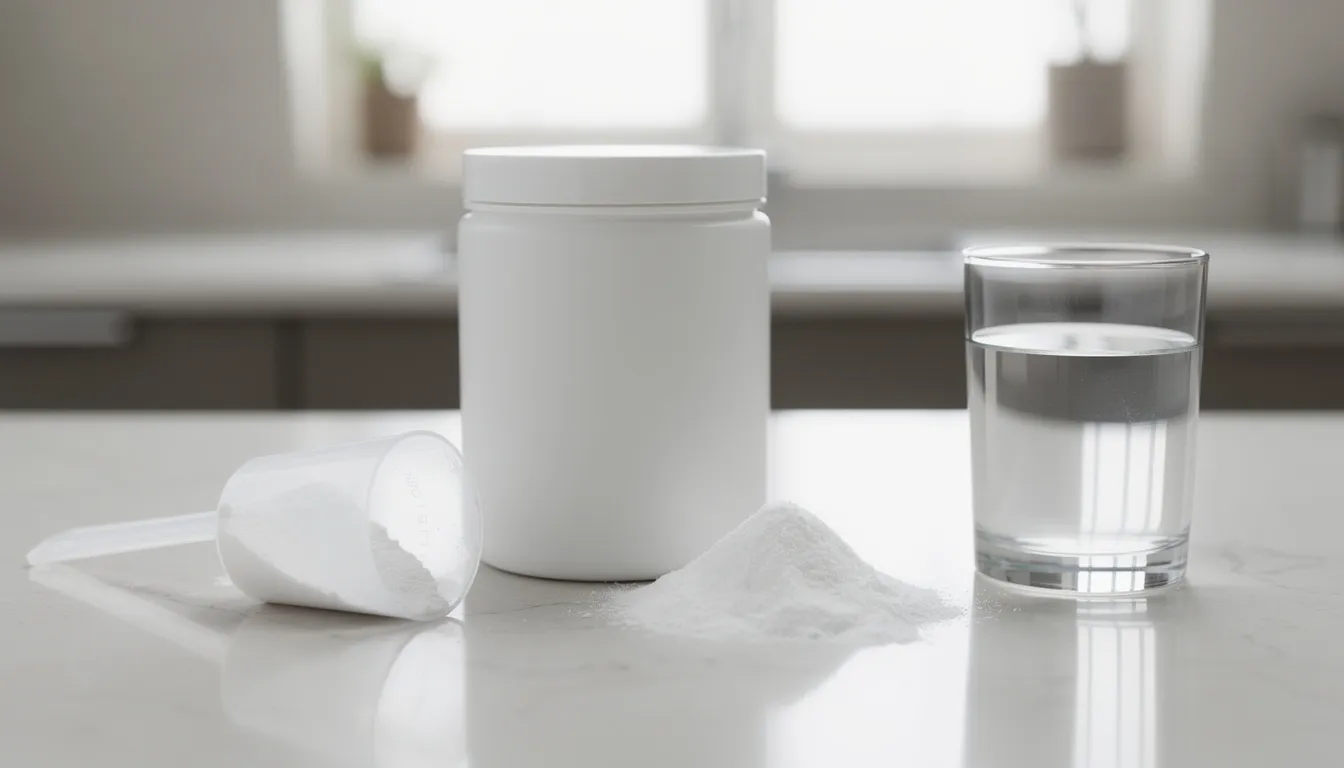
Despite many fancy marketing claims, simple creatine monohydrate powder remains the gold standard for effectiveness, safety, and cost. There is no “pink” or “women-only” creatine form needed—what matters most is purity, dose accuracy, and third-party testing rather than gendered branding.
Creatine Monohydrate vs. Other Forms
Creatine monohydrate has the strongest evidence for increasing muscle creatine stores and improving muscle performance. It’s the reference form used in virtually all clinical studies establishing creatine’s benefits.
|
Form |
Evidence Level |
Cost |
Notes |
|---|---|---|---|
|
Creatine monohydrate |
Excellent |
$ |
Gold standard |
|
Creatine HCl |
Limited |
$$$ |
May cause less bloating (unproven) |
|
Buffered creatine |
Limited |
$$$ |
No proven advantage |
|
Creatine ethyl ester |
Poor |
$$ |
May be less effective |
Start with plain monohydrate. If persistent GI upset occurs even with low divided doses, considering alternate forms with professional guidance is reasonable—but don’t pay premium prices for unproven marketing claims.
Options for taking creatine:
-
Unflavored powder: Mix into smoothies, yogurt, or flavored drinks
-
Capsules: Convenient but often require multiple pills per dose
-
Gummies/chews: Easier for those who dislike powders, but check actual creatine content
Quality, Dosing per Serving, and Additives
Quality indicators to look for:
-
Third-party testing (NSF Certified for Sport, Informed-Sport, or similar)
-
Clear label showing creatine monohydrate content per serving (3-5g)
-
Minimal unnecessary additives
Red flags to avoid:
-
“Proprietary blends” that hide actual creatine doses
-
Excessive added sugars or artificial ingredients
-
Unverified purity claims
Popular brands change frequently, so rather than recommending specific products, focus on evaluating quality yourself using these criteria.
Common Myths About Creatine and Women
Creatine has long been associated with bodybuilders and men, creating persistent myths that can scare women away from a genuinely helpful supplement. Let’s address these directly.
Myth 1: “Creatine Is a Steroid”
The myth: Creatine is a performance-enhancing drug similar to anabolic steroids.
The reality: Creatine is a non-hormonal compound made from amino acids—similar to protein building blocks—not an anabolic steroid derived from sex hormones. It supports natural energy pathways inside cells and does not change secondary sex characteristics, voice depth, or hair patterns.
Think of creatine more like an advanced nutrient or ergogenic aid, closer to protein powder or caffeine than banned substances. Reputable sports organizations and anti-doping agencies do not list creatine as a prohibited substance.
Myth 2: “Creatine Will Make Me Gain Fat or Look Puffy”
The myth: Taking creatine leads to fat gain and a bloated appearance.
The reality: Creatine provides essentially zero calories and cannot directly cause fat gain. Any increase in body fat comes from excess calorie intake, not creatine itself.
Creatine pulls a small amount of extra water into muscle cells, which can transiently increase scale weight but usually improves muscle fullness rather than causing generalized puffiness. With moderate doses (3-5g/day without aggressive loading), many women notice little to no visible change, especially when salt intake and hydration remain stable.
Track how you feel and perform—strength, energy, mood—rather than obsessing over short-term scale fluctuations when starting creatine.
Myth 3: “Creatine Is Only for Serious or Elite Athletes”
The myth: Creatine is exclusively for competitive athletes and bodybuilders.
The reality: Creatine benefits a wide spectrum of women:
-
Beginners learning to squat for the first time
-
Recreational runners and fitness enthusiasts
-
Older adults preventing falls and maintaining independence
-
Women managing perimenopause and menopause symptoms
Even modest boosts in muscle strength and power make daily tasks—carrying children, lifting luggage, climbing stairs—easier and safer. Combined with cognitive and mood benefits, creatine’s relevance extends far beyond competitive sports.
Myth 4: “Women Don’t Need Supplements if They Eat ‘Clean’”
The myth: Whole-food nutrition provides everything women need, making supplements unnecessary.
The reality: While whole-food nutrition is foundational, creatine is difficult to obtain in adequate amounts from food alone without eating large daily portions of red meat or fish. You’d need roughly 1-2 pounds of raw meat daily to match supplement doses.
Vegetarian and vegan women, or those who rarely eat animal products, have especially low dietary creatine intake and often respond even better to supplementation.
Creatine isn’t a replacement for balanced nutrition, quality sleep, or regular movement—but it can meaningfully augment the benefits of those habits for many women.
FAQ: Creatine for Women
Does creatine cause hair loss or acne in women?
Current research in humans does not provide strong evidence that creatine directly causes hair loss or acne in women. Most concerns stem from a small study in men suggesting possible changes in DHT (dihydrotestosterone), which has not been consistently replicated in subsequent research.
If you notice changes in skin or hair after starting creatine, these may relate to other factors—overall diet, stress levels, hormonal contraceptives, or genetics. You can pause creatine for 4-6 weeks to see if symptoms improve. Consult a dermatologist or healthcare provider if hair thinning or severe acne occurs rather than assuming creatine is solely responsible.
Can teenage girls take creatine safely?
Limited studies in adolescents suggest creatine can be safe when supervised, but long-term data in teens—especially girls—is not as robust as in adults.
Teenage girls should only use creatine under guidance from parents/guardians and a qualified healthcare professional or sports dietitian, particularly if competing in organized sports. Building healthy eating habits, prioritizing sleep, and developing proper training technique should come first, with creatine considered as a possible later addition rather than a starting point.
How long can a woman stay on creatine continuously?
Long-term studies in adults (often spanning 1-5 years) have not shown harm from continuous creatine use at recommended doses in healthy individuals. There is no strict requirement to “cycle off.”
Some women prefer taking short breaks (1-2 weeks off every few months) to reassess how they feel without supplementation, but this is personal preference rather than medical necessity. If using creatine for years, periodic health check-ups with basic bloodwork (including kidney function markers) are reasonable, especially when taking other medications or managing health conditions.
What happens if I stop taking creatine suddenly?
Creatine stores in muscle and brain gradually return to baseline over several weeks after stopping. You may notice muscle performance and strength decline slightly toward pre-supplement levels during this period.
There is no withdrawal syndrome—you can stop at any time without needing to taper. Workouts may feel somewhat harder after a few weeks as phosphocreatine stores normalize. If you restart later, simply use the same loading or no-load strategy you used originally to rebuild stores.
Can I take creatine if I’m also using hormonal birth control?
No major interactions between standard creatine doses and common hormonal contraceptives (pill, patch, ring, IUD) have been documented in scientific literature.
Women on birth control can generally use creatine as usual, but should inform their healthcare provider about all supplements they take. Because hormones already influence water balance and fluid shifts, some women on hormonal contraceptives might be more attuned to small water-weight changes when starting creatine—this is normal and typically stabilizes within a few weeks.
Creatine represents one of the most researched, safest supplements available for women looking to improve athletic performance, brain function, and long-term women’s health. Whether you’re training for competition, managing midlife changes, or simply wanting to feel stronger in daily life, creatine can be a valuable addition to your routine.
Start with 3-5g of creatine monohydrate daily, pair it with consistent resistance training, and give it 4-6 weeks to assess your response. Consult your healthcare provider if you have any underlying conditions, and remember that creatine works best as part of an overall approach that includes good nutrition, adequate sleep, and progressive training.


Leave a comment
This site is protected by hCaptcha and the hCaptcha Privacy Policy and Terms of Service apply.