


-
Pure creatine (including creatine monohydrate and creatine HCl) does not contain any caffeine or stimulants. It is a naturally occurring compound that supports ATP production in muscle cells, not a central nervous system stimulant.
-
The confusion stems from pre workout supplements where creatine and caffeine are commonly mixed together. The “energy rush” you feel from these products comes entirely from caffeine, not creatine.
-
Creatine is a non-stimulant ergogenic aid that works gradually by saturating muscle creatine stores over days to weeks, while caffeine provides immediate alertness by blocking adenosine receptors in the brain.
-
Most healthy adults can safely take creatine and caffeine together, but some people may experience digestive discomfort or sleep issues if doses are high or poorly timed.
-
Checking the Supplement Facts label is the easiest way to confirm whether your specific creatine product includes added caffeine or other stimulants.
Does Creatine Have Caffeine? (Quick Answer)
Pure creatine does not naturally contain caffeine and is not a stimulant. This is a straightforward fact that often gets lost in the noise of fitness industry marketing.
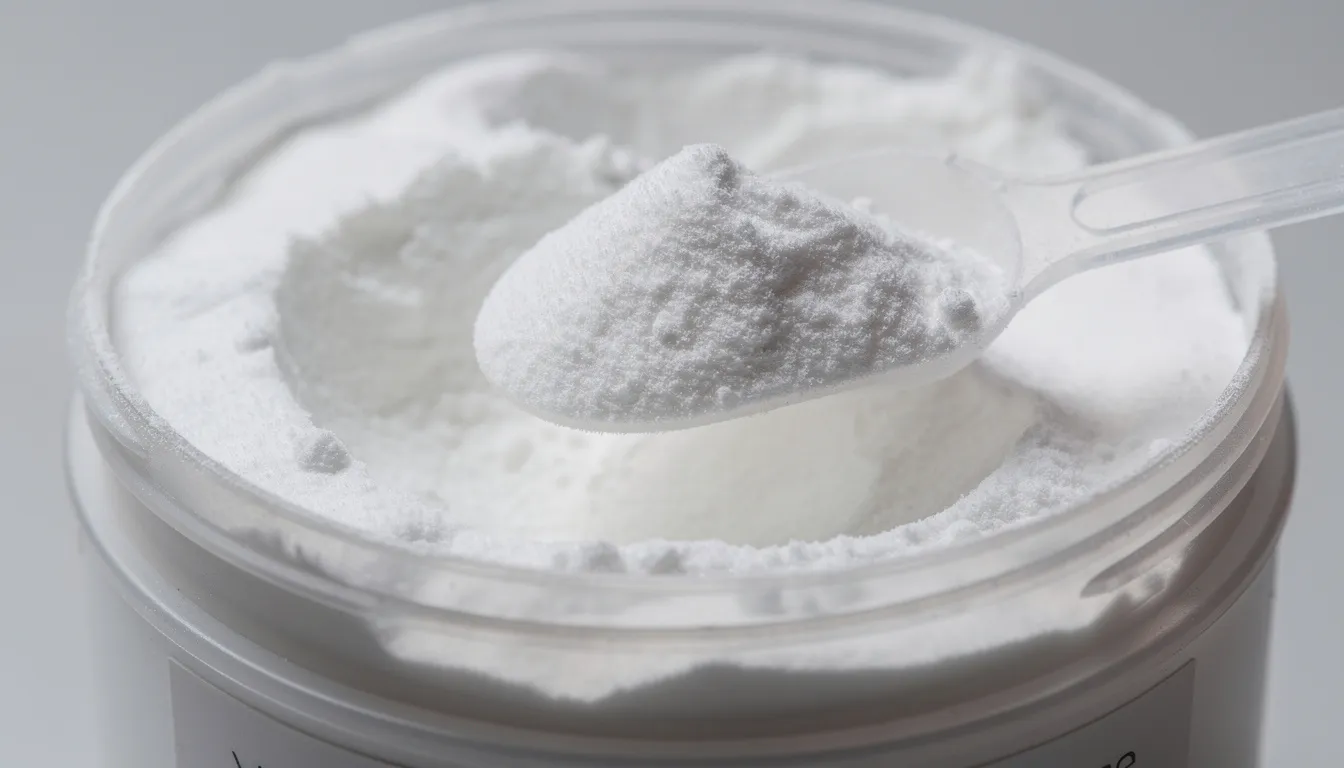
When we talk about “pure creatine,” we’re referring to single-ingredient products—creatine monohydrate powder, capsules, or creatine HCl formulations with no added stimulants, flavors, or proprietary blends. These creatine supplements list only creatine (and sometimes an anti-caking agent) on their labels.
To put this in concrete terms: a typical 5 g scoop of unflavored creatine monohydrate from mainstream brands contains exactly 0 mg of caffeine. You could take it before bed without any impact on your sleep quality.
Contrast this with popular flavored pre workout formulas that may contain 150–300 mg caffeine per serving alongside 3–5 g creatine. The stimulant effect you feel from these products? That’s 100% from the caffeine and potentially other added stimulants—not from creatine.
Any caffeine in your supplement routine comes from added ingredients like coffee, energy drinks, or pre-workouts—never from creatine itself.
What Is Caffeine?
Caffeine is a natural stimulant found in coffee beans, tea leaves, cacao, and guarana. It’s also added to sodas, energy drinks, caffeine pills, and most pre workout supplements to provide that familiar “kick” before training.
Here’s how caffeine works in simple terms: when you consume caffeine, it blocks adenosine receptors in your brain. Adenosine is a neurotransmitter that normally signals tiredness, so blocking it makes you feel more alert and reduces your perceived exertion during exercise. This mechanism is why caffeine has well-documented performance enhancing properties for both endurance and strength activities.
Common Caffeine Sources and Amounts:
|
Source |
Approximate Caffeine Content |
|---|---|
|
8 oz brewed coffee |
80–100 mg |
|
12 oz cola |
30–40 mg |
|
Standard energy drinks |
150–200 mg per can |
|
Pre-workout supplements |
150–350 mg per serving |
|
Caffeine pills |
100–200 mg per tablet |
Sports nutrition products frequently use caffeine ingestion strategies to improve focus, reaction time, and muscular endurance during workouts. The effects peak about 30–60 minutes after consumption, with a half-life of 3–7 hours depending on individual metabolism.
Current safety guidance from the U.S. FDA considers up to 400 mg of caffeine per day safe for most healthy adults. However, sensitivity varies widely—some people feel jittery at 100 mg, while others handle 400 mg without issues.

What Is Creatine?
Creatine is an amino acid derivative produced naturally in your body from arginine, glycine, and methionine. Your liver and kidneys synthesize about 1–2 grams daily, with additional amounts coming from dietary sources like red meat and fish.
Roughly 95% of your body’s creatine is stored in skeletal muscle as free creatine and phosphocreatine. The remaining 5% resides in the brain and other tissues. Total body stores in an average adult run about 120 grams.
How Creatine Functions:
The core mechanism is elegantly simple. During high-intensity efforts like heavy lifting or sprints, your muscles burn through adenosine triphosphate (ATP) rapidly. Phosphocreatine donates a phosphate group to regenerate ATP, essentially acting as a rapid-response energy buffer for your muscle cells.
This is why creatine supplementation works: by saturating your muscle creatine stores beyond normal levels (from ~120 mmol/kg to 140–160 mmol/kg dry muscle weight), you increase your capacity for ATP regeneration during explosive efforts.
Standard Dosing Protocols:
|
Protocol |
Daily Dose |
Duration |
|---|---|---|
|
Maintenance only |
3–5 g creatine monohydrate |
Ongoing |
|
Loading phase |
~20 g split into 4 doses |
5–7 days |
|
Post-loading maintenance |
3–5 g daily |
Ongoing |
The creatine loading phase accelerates muscle saturation, though taking creatine daily at 3–5 g will achieve the same saturation over about 3–4 weeks. Creatine monohydrate remains the most researched form, consistently associated with increased strength, power, and lean mass gains over weeks of resistance training.
Is Creatine a Stimulant Like Caffeine?
Creatine is definitively not a stimulant and does not act on the central nervous system the way caffeine does.
The distinction matters because the mechanisms are completely different:
-
Creatine works at the cellular level in your muscles, gradually building up phosphocreatine stores over days to weeks. Its effects are cumulative—you won’t “feel” creatine kick in the way you feel a morning coffee.
-
Caffeine produces rapid effects within 30–60 minutes by blocking adenosine in your brain. You notice the increased heart rate, alertness, and sometimes jitters almost immediately.
Because creatine doesn’t stimulate your nervous system, it’s highly unlikely to cause the side effects associated with stimulants: jitters, anxiety, rapid heartbeat, or sleep disruption. This makes creatine a versatile supplement for anyone who wants improved performance without the stimulant experience.
Practical Timing Implications:
|
Supplement |
Best Timing |
Time-Sensitive? |
|---|---|---|
|
Creatine |
Any time of day |
No |
|
Caffeine |
30–60 min pre-workout |
Yes (affects sleep) |
You can take creatine in the morning, post-workout, or even before bed without concern. Caffeine supplementation, on the other hand, requires more careful timing to avoid disrupting sleep quality.
Why Do People Think Creatine Has Caffeine?
The misconception mostly stems from marketing and product formulation trends that began in the late 1990s and exploded through the 2000s and 2010s.
Here’s what happened: as preworkout supplements became increasingly popular, manufacturers started combining multiple ingredients into single products. A typical modern pre-workout might contain:
-
3–5 g creatine monohydrate
-
150–300 mg caffeine anhydrous
-
2–3 g beta-alanine
-
6 g L-citrulline
-
Various B vitamins and sweeteners
When users take these products, they feel an immediate rush—increased heart rate, heightened focus, sometimes skin tingles from the beta-alanine. The natural assumption is that everything in the product contributes to that feeling.
In reality, the acute “buzz” comes entirely from caffeine (and sometimes other stimulants). Creatine contributes nothing to that immediate sensation. Its benefits unfold over weeks as your muscle stores saturate.
The fitness industry’s long-standing practice of combining creatine and caffeine in the same products has inadvertently taught consumers to associate creatine with stimulant effects it simply doesn’t have.
Complex proprietary blends make this worse. When a label says “Energy Matrix: 5,000 mg” without breaking down individual ingredients, consumers can’t easily identify what’s actually providing the stimulant effect.
The solution is straightforward: look specifically at the “Caffeine” line on supplement labels or scan the ingredient list for caffeine sources like caffeine anhydrous, guarana, yerba mate, or green tea extract.
Benefits of Creatine vs. Caffeine
Both creatine and caffeine rank among the most studied dietary supplements for exercise performance, but they work through entirely different mechanisms and offer distinct benefits.
Benefits of Creatine:
Creatine primarily enhances strength and power performance by supporting ATP regeneration during high-intensity efforts. Research consistently shows:
-
5–15% improvements in muscular strength over 4–12 weeks of resistance training
-
Increased lean tissue mass and muscle hypertrophy
-
Enhanced ability to complete more reps at a given weight
-
Potential cognitive benefits via brain phosphocreatine stores
-
Support for improved muscle recovery between sets
-
Possible benefits for bone health and aging muscle
The International Society of Sports Nutrition sports nutrition position stand classifies creatine as one of the most effective ergogenic aids, with over 500 studies supporting its safety and efficacy.
Benefits of Caffeine:
Caffeine works as an acute performance booster through central nervous system stimulation:
-
2–5% improvements in power output when taken pre-exercise
-
Reduced perceived exertion (workouts feel easier)
-
Enhanced focus and reaction time
-
Improved endurance performance
-
Increased fat oxidation during exercise
The key difference is temporal. Creatine builds a stronger foundation for performance over weeks and months of consistent use. Caffeine provides immediate performance benefits that last a few hours per dose.
For athletes focused on maximize performance, both have roles: creatine for building long-term capacity through resistance exercise, and caffeine for acute boosts during competitions or particularly demanding sessions.
Can You Take Creatine and Caffeine Together?
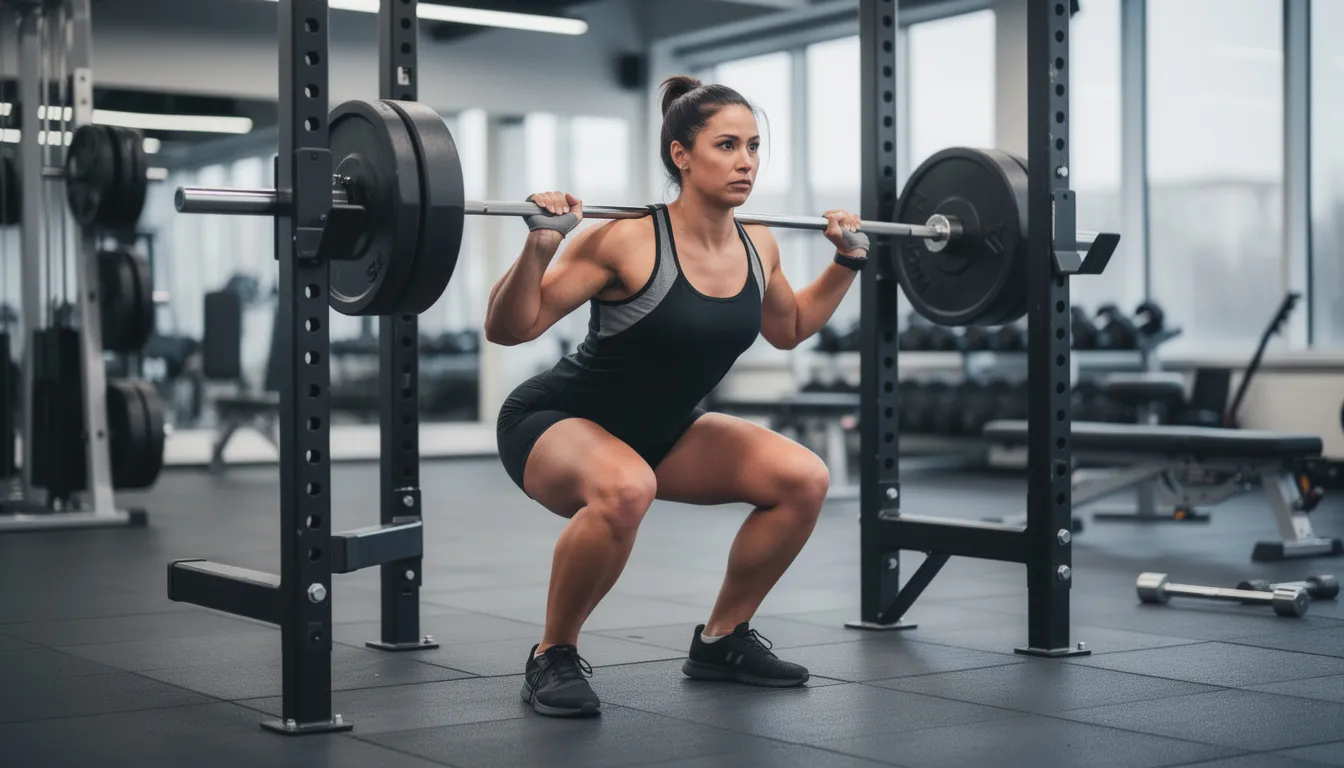
For most healthy adults, combining creatine and caffeine is considered safe when each is taken within recommended doses.
The concern about combining them traces back to a few studies from the 1990s suggesting high acute caffeine doses might blunt creatine’s effects. The proposed mechanisms included interference with muscle relaxation time, increased phosphocreatine degradation, or GI distress preventing adequate creatine absorption.
What Recent Research Shows:
A key 2016 randomized controlled trial examined this directly. Researchers gave 54 participants either:
-
Creatine loading alone (20 g/day for 5 days)
-
Creatine + caffeine anhydrous (300 mg/day)
-
Creatine + coffee (yielding ~303 mg caffeine)
The results were clear: muscle creatine content increased significantly in all creatine groups, with no pharmacokinetic interference from caffeine. Performance metrics including Wingate peak power improved across all treatments.
Modern sports nutrition research attributes earlier negative findings to:
-
Extremely high acute caffeine doses (5–9 mg/kg body weight)
-
Short-term measurement windows
-
Small sample sizes
At moderate doses (3–5 mg/kg), caffeine and creatine appear to work independently without opposing effects.
Practical Considerations:
Some individuals experience stomach discomfort when taking high doses of both together, particularly with pre-workouts containing 300+ mg caffeine. Strategies to mitigate this:
-
Separate caffeine intake from creatine by a few hours
-
Take creatine with food to improve tolerance
-
Adjust caffeine intake based on individual tolerance
-
Stay well-hydrated, especially during training
-
Start with lower doses to assess personal response
Possible Side Effects of Creatine and Caffeine
Both substances have extensive safety profiles in research, but side effects can occur at high doses or in sensitive individuals.
Common Creatine-Related Side Effects:
|
Side Effect |
Cause |
Mitigation |
|---|---|---|
|
Temporary water retention |
Creatine pulls water into muscle cells |
Expected; not fat gain |
|
Weight gain (1–3 kg) |
Water retention + lean mass gains |
Normal adaptation |
|
Bloating/cramping |
High doses or loading phase |
Lower dose, increase hydration |
|
Digestive discomfort |
Poor solubility or high doses |
Try creatine HCl or micronized forms |
These adverse effects are typically mild and often resolve as your body adapts. The loading phase tends to cause more GI issues than maintenance dosing.
Common Caffeine-Related Side Effects:
|
Side Effect |
Cause |
Mitigation |
|---|---|---|
|
Jitteriness/anxiety |
Overstimulation of nervous system |
Reduce dose |
|
Rapid heart rate |
Stimulant effect |
Lower dose, check with doctor |
|
Sleep disruption |
Long half-life, late dosing |
Avoid caffeine after 2 PM |
|
Digestive upset |
Gastric acid stimulation |
Take with food |
|
Tolerance/dependency |
Regular high intake |
Cycle usage |
Stacking creatine and caffeine doesn’t inherently make them dangerous. However, large caffeine doses in pre-workouts can mask fatigue, potentially leading to overtraining or poor sleep that undermines recovery.
Who Should Be Cautious:
Individuals with kidney disease, heart conditions, hypertension, pregnancy, or those taking medications affecting heart rate or kidney function should consult a healthcare professional before starting either supplement or combining them.
How to Use Creatine Without Unwanted Stimulants
If you want the muscle growth and strength training benefits of creatine but prefer to avoid caffeine, jitters, or sleep disruption, choosing the right products is simple.
Selecting Stimulant-Free Creatine:
Look for single-ingredient oral creatine supplements that list only creatine on the label:
-
Creatine monohydrate powder – The gold standard, highly researched, cost-effective
-
Creatine monohydrate capsules – Convenient, pre-measured doses
-
Creatine HCl – More soluble, may require smaller doses (some users report less bloating)
-
Micronized creatine – Finer particle size for better mixing
All these forms are naturally stimulant-free. The differences relate to solubility, convenience, and individual tolerance—not caffeine content.
Simple Dosing Protocol:
|
Phase |
Daily Dose |
Duration |
Timing |
|---|---|---|---|
|
Loading (optional) |
20 g split into 4 doses |
5–7 days |
With meals |
|
Maintenance |
3–5 g |
Ongoing |
Any time |
For most people, simply taking creatine daily at 3–5 g is sufficient. The creatine loading period accelerates saturation but isn’t mandatory.
Keeping Caffeine Separate:
If you still enjoy caffeine for workouts, keeping it separate from your creatine gives you precise control over each. Have your coffee or tea independently, adjusting timing and dose based on your training schedule and sleep needs.
This approach lets you improve athletic performance through creatine’s long-term effects while customizing your caffeine intake for specific sessions.
How to Read Labels to Check for Caffeine
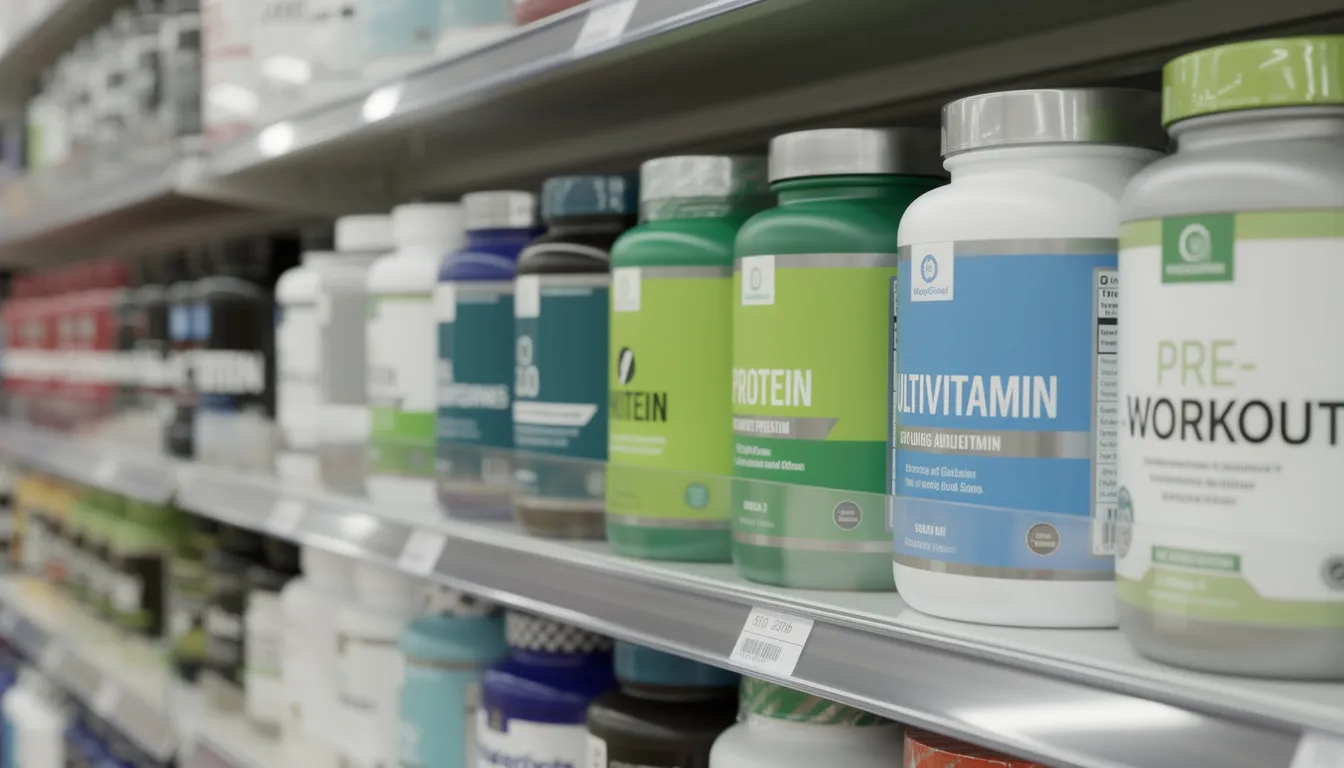
The easiest way to confirm whether a creatine product contains caffeine is to review the Supplement Facts panel and ingredient list carefully.
Step-by-Step Label Check:
-
Find the Supplement Facts panel – Usually on the back or side of the container
-
Look for a specific “Caffeine” line – This will show the exact amount in milligrams (e.g., “Caffeine anhydrous – 200 mg”)
-
Scan for caffeine-containing extracts:
-
Guarana extract
-
Green tea extract (may contain caffeine)
-
Yerba mate
-
Kola nut
-
Coffee bean extract
-
-
Check active ingredients – If only “Creatine monohydrate” or “Creatine HCl” appears with no caffeine sources, the product is caffeine-free
Red Flags to Watch For:
|
Label Element |
What It Might Mean |
|---|---|
|
“Proprietary blend” |
Individual ingredient amounts hidden |
|
“Energy matrix” |
Often contains stimulants |
|
“Focus blend” |
May include caffeine or similar compounds |
|
Listed total blend weight only |
Can’t determine caffeine amount |
Pre workout supplements and fat burners frequently use proprietary blends where total weight is given but exact caffeine amounts remain unclear. If you’re highly sensitive to caffeine or train late at night, specifically seek products labeled “stimulant-free” or “non-stim.”
When in doubt, pure single-ingredient creatine products eliminate all guesswork—if the only ingredient is creatine, there’s no caffeine.
Does Creatine Have Caffeine? Final Thoughts
Creatine and caffeine are entirely separate compounds with distinct mechanisms. Creatine does not contain caffeine, caffeine does not contain creatine, and neither one transforms into the other—even though the fitness industry frequently sells them together.
Understanding this distinction puts you in control of your supplement strategy. Creatine is a non-stimulant performance aid focused on ATP regeneration and increase muscle mass over time. Caffeine is a fast-acting stimulant targeting alertness, perceived exertion, and acute performance boosts.
Your supplement choices should align with your goals:
-
Long-term strength and skeletal muscle mass gains → Creatine supplementation
-
Acute energy and focus for specific sessions → Caffeine supplementation
-
Optimized performance across training cycles → Thoughtful combination of both
Stay within standard dosing ranges (3–5 g creatine daily, under 400 mg caffeine daily for most adults). Monitor your personal tolerance, especially when combining creatine and caffeine. And if you’re uncertain about how these supplements interact with any health conditions or medications, consult a healthcare provider for personalized guidance.
The bottom line: check your labels, know what you’re taking, and build a supplement approach that serves your training—not the other way around.
FAQ
Does creatine give you the same kind of energy as coffee?
No. Creatine does not provide a noticeable “kick” or buzz like coffee because it doesn’t stimulate the central nervous system. Instead, it gradually improves your ability to perform more reps or sets by enhancing ATP availability in skeletal muscle cells. The effects build over days to weeks of consistent use rather than appearing within minutes of a dose.
Is there any creatine that naturally contains caffeine?
No natural form of creatine—monohydrate, HCl, citrate, or any other variant—contains caffeine. Any caffeine in a creatine product has been intentionally added by the manufacturer as a separate ingredient. Single-ingredient creatine supplements are always caffeine-free unless explicitly formulated otherwise.
Can I take creatine at night if I’m also using caffeine during the day?
Absolutely. Taking creatine at night is perfectly fine because it’s not a stimulant and won’t affect your sleep. If sleep quality is a concern, focus on limiting your caffeine intake after early afternoon rather than worrying about creatine timing.
Should beginners avoid combining creatine and caffeine?
Healthy beginners can usually combine both safely in moderate amounts. However, many find it helpful to start with creatine alone for 2–4 weeks to observe its effects on fat free mass, strength, and recovery before layering in pre-workout caffeine. This approach helps you understand what each supplement contributes to your training.
Does stopping caffeine change how creatine works?
No. Reducing or eliminating caffeine won’t change creatine’s basic mechanism in muscle tissue. Your muscle creatine stores continue functioning the same way, supporting ATP regeneration during high-intensity efforts. However, workouts might feel subjectively less “amped” without caffeine’s central nervous system effects—even though creatine keeps supporting your strength and power performance over time.


Leave a comment
This site is protected by hCaptcha and the hCaptcha Privacy Policy and Terms of Service apply.