

-
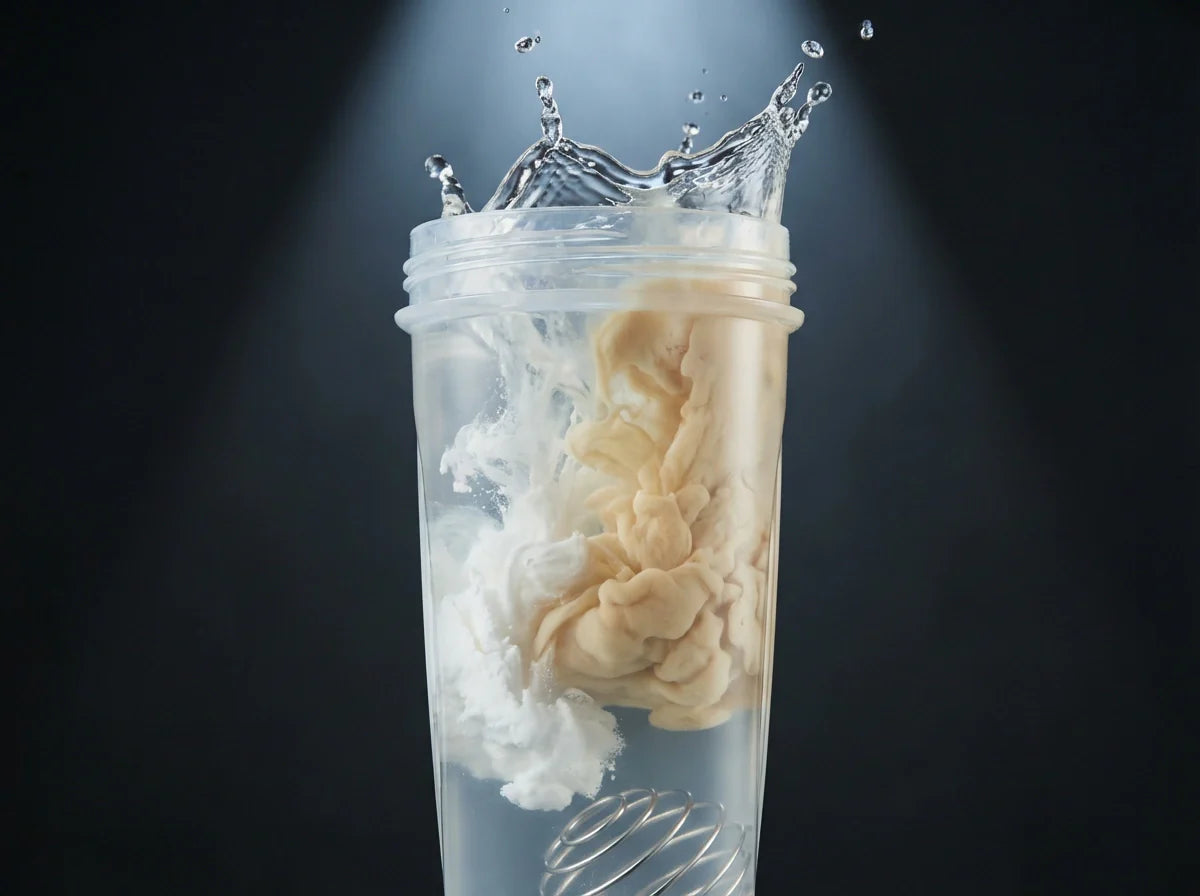
Yes, you can safely mix creatine with protein powder, and it’s a common, research-backed practice used by athletes and gym-goers worldwide.
-
Combining 3–5 g of creatine monohydrate with 20–30 g of protein in a single shake (especially post workout) is a practical, evidence-based approach for strength and muscle gain.
-
Mixing these two supplements does not create a “super supplement,” but it does improve convenience, boost consistency, and make creatine easier to incorporate into your routine.
-
For most healthy people, long-term use at recommended dosages is safe, with no proven harm to kidneys when dose and hydration are appropriate.
-
Timing of creatine is flexible throughout the day, while protein intake is most critical around workouts and should be spread across meals.
Can You Mix Creatine with Protein Powder? (Quick Answer)
Yes, you can mix creatine with protein powder, and studies dating back to the late 1990s have consistently shown this combination is both safe and effective. This isn’t a new or experimental practice—it’s what countless lifters and athletes have been doing for decades.
Here’s why it works: creatine supports energy and strength by helping regenerate adenosine triphosphate in your muscle cells, while protein provides the amino acids necessary for muscle repair and growth. These are complementary mechanisms, not overlapping ones. Taking them together doesn’t interfere with how either one is absorbed or used by your body.
There is no chemical interaction between creatine (a simple guanidino compound) and whey proteins (polypeptides) that impairs absorption.
A simple, ready-to-use example: after your gym session, mix one scoop of whey protein (about 25 g) with 5 g of creatine monohydrate in water or milk. Shake it up, drink it down, and you’re done. Combining creatine and protein powder in your post workout shake supports post workout recovery by enhancing muscle rebuilding and energy replenishment. This shake is also a convenient way to deliver essential nutrients needed for muscle repair and overall wellness.
This combo works well on training days (post workout) and rest days alike. On days you don’t train, you can take the same shake at any convenient time to maintain your creatine stores and support muscle recovery. You can also consume creatine in various ways, such as adding it to smoothies, juices, or mixing it into foods like yogurt or oatmeal, to encourage consistent supplement intake.

What Is Creatine?
Creatine is a naturally occurring compound found in your body, synthesized from amino acids—specifically arginine, glycine, and methionine. About 95% of your body’s creatine is stored in skeletal muscle tissue as phosphocreatine.
Its main role is straightforward: creatine helps rapidly regenerate ATP (adenosine triphosphate), which is the primary energy currency your muscle fibers use during short, intense exercise. Think heavy squats, explosive sprints, or that last grinding rep on the bench press. When phosphocreatine levels are topped up, you can push harder and recover faster between sets.
Creatine monohydrate is the most researched form of this supplement, with decades of data supporting its ability to improve strength, power output, and muscle mass when combined with resistance training. It’s also one of the most cost-effective dietary supplements on the market.
The typical effective creatine dose is 3–5 g per day for most adults. Some people opt for an optional 5–7 day “loading phase” of around 20 g per day (split into four doses), but this isn’t strictly necessary—it just saturates your muscles faster.
One of creatine’s practical advantages is timing flexibility. You can take it morning, evening, pre workout, or post workout. Many people simply add their creatine powder to their protein shake whenever it fits their schedule. When taking creatine supplements, it’s best practice to ensure adequate hydration, as drinking enough water helps maximize efficacy and supports safety.
Types of Creatine
When it comes to boosting muscle growth, supporting muscle recovery, and enhancing muscle protein synthesis, the type of creatine you choose can make a difference in your supplement routine. While all forms of creatine aim to increase the amount of this naturally occurring compound found in your muscle cells, each type has its own characteristics that may suit different preferences and goals.
Creatine Monohydrate is the most widely used and researched form. As a naturally occurring compound, it’s proven to increase muscle mass, strength, and power when paired with resistance training and adequate protein intake. Its effectiveness in supporting muscle protein synthesis and muscle growth is well-documented, making it the go-to choice for most athletes and gym-goers. Creatine monohydrate mixes easily with protein powder—like whey protein or casein protein—delivering a powerful combination of essential amino acids and creatine to your muscle cells for optimal recovery and growth.
Creatine Nitrate offers improved solubility, which some users find helpful for mixing creatine with protein shakes. While it’s marketed as having better absorption, research is still catching up to confirm whether it truly outperforms creatine monohydrate in terms of muscle gain or performance.
Creatine HCL (Hydrochloride) is another form designed for better solubility and bioavailability. Its smaller serving size and easy mixing make it a popular option for those who want to avoid the slight grittiness sometimes associated with creatine monohydrate. However, current evidence suggests that, for most people, the muscle-building benefits are similar to monohydrate.
Micronized Creatine is simply creatine monohydrate processed into smaller particles. This can help it dissolve more smoothly in your protein shake, making it a convenient choice for those who prioritize texture when mixing creatine with protein powder.
Buffered Creatine is formulated to reduce stomach discomfort and improve absorption, though its advantages over standard creatine monohydrate remain debated among researchers.
No matter which type you choose, the key is consistency and proper dosing. Most people see optimal results with 3–5 grams of creatine per day, adjusted for body weight and training intensity. Mixing creatine with protein powder—whether it’s fast-digesting whey protein post workout or slow-digesting casein protein before bed—ensures your muscles receive both the creatine and the essential amino acids needed for muscle repair and growth. For those looking to further enhance muscle growth and recovery, adding branched chain amino acids (BCAAs) to your shake can provide additional support for muscle protein synthesis.
Staying hydrated is also important when taking creatine, as it helps transport nutrients to muscle cells and can reduce the risk of muscle cramps during intense exercise. By choosing the right type of creatine for your needs and combining it with a quality protein powder, you’ll be well-equipped to support muscle growth, maintain lean muscle mass, and achieve your fitness goals.
Key Benefits of Creatine
Consistent creatine supplementation over several weeks delivers measurable improvements:
-
Increased strength and power output: Research suggests users can see 5–15% improvements in maximal strength exercises
-
More reps and sets: Higher phosphocreatine stores let you squeeze out extra work during high intensity exercise
-
Improved muscular endurance: Creatine supplementation can enhance muscular endurance, allowing for greater tolerance of high-intensity workouts and improved training efficiency
-
Faster recovery between efforts: Reduced rest time needed between high intensity workouts
-
Long-term lean muscle mass gains: Studies show increased muscle mass of 1–2 kg over 4–12 week training blocks
-
Cell volumization: Creatine draws water into muscle cells, creating a fuller appearance and potentially promoting an anabolic environment
Beyond the gym, emerging research points to potential benefits for brain health and healthy aging, though these remain secondary to the well-established performance benefits.
These results appear with consistent daily use. Missing occasional doses won’t derail your progress, but regular intake keeps muscle creatine stores saturated for optimal performance.
What Is Protein Powder?
Protein powder is a concentrated source of dietary protein derived from various sources—whey, casein, soy, pea, rice protein, and others. It’s designed to help people meet their daily protein intake targets conveniently.
Protein provides the essential amino acids your body needs to repair and build muscle tissue after training. These necessary amino acids are crucial for muscle protein synthesis, repair, and rebuilding following exercise, ensuring optimal muscle growth and recovery. Beyond muscle, protein supports enzyme production, hormone function, and immune health.
For active people focused on muscle gain and strength, the general target is roughly 1.6–2.2 g of protein per kg of body weight per day. For an 80 kg lifter, that translates to approximately 128–176 g daily. Meeting this through whole foods alone can be challenging, especially for those with busy schedules or smaller appetites.
That’s where protein supplements come in. They’re not a requirement—whole foods can absolutely supply your protein needs—but powders offer convenience when time, appetite, or logistics make hitting your targets difficult.
Mixing creatine into protein shakes is simply a way to combine two separate, well-understood tools into one efficient step.
Common Types of Protein Powder
|
Protein Type |
Digestion Speed |
Best Used For |
Notes |
|---|---|---|---|
|
Whey Concentrate |
Fast |
Post workout |
Most common, affordable, contains some lactose |
|
Whey Isolate |
Fast |
Post workout |
Higher protein %, lower lactose |
|
Whey Hydrolysate |
Very fast |
Post workout |
Pre-digested, premium price |
|
Casein Protein |
Slow |
Before bed |
Slow digesting protein for overnight muscle repair |
|
Pea Protein |
Medium |
Anytime |
Popular vegan option |
|
Soy Protein |
Medium |
Anytime |
Complete protein, vegan |
|
Rice Protein |
Medium |
Anytime (in blends) |
Often combined with pea for better amino profile |
Whey protein powder remains the most popular choice, particularly for post workout shakes due to its fast digestion and high branched chain amino acids content (especially leucine, which triggers muscle synthesis). It’s a complete protein containing all nine essential amino acids.
Casein protein works well as a slow digesting protein option, often taken before bed to support overnight muscle repair and satiety.
For those who are vegan, lactose intolerant, or dairy-sensitive, plant-based protein blends (pea, soy, rice protein combinations) offer effective alternatives. These can also be combined with creatine without any issues.
When it comes to texture and mixing, unflavored creatine blends well into any of these base powders. The slight grittiness of creatine monohydrate disappears in flavored shakes.
The Science of Mixing Creatine with Protein Powder
Understanding how creatine and protein work together comes down to recognizing their complementary roles in your body.
Creatine supports energy production by helping regenerate ATP during intense exercise. When you’re pushing through a heavy set, phosphocreatine donates a phosphate group to replenish ATP, letting you maintain power output longer. This mechanism operates at the cellular energy level.
Protein, meanwhile, supports muscle protein synthesis—the repair and growth process that happens after training. When you consume protein, it breaks down into amino acids that your body uses to rebuild and strengthen muscle fibers damaged during exercise. The mTOR signaling pathway, triggered particularly by leucine, drives this anabolic response.
These are separate systems. Creatine helps you train harder; protein helps you recover and grow from that training. Neither interferes with the other.
Clinical trials where subjects took both creatine and protein (often with carbohydrates) post workout showed similar or slightly better improvements in strength and muscle compared with taking them separately. A key 2008 study found that the combination group experienced significantly greater increases in lean body mass (up to 2–3 kg more than placebo) and bench press strength (8–12% improvements versus 4–6% for protein alone) over 8 weeks.
Adding creatine to a protein shake does not chemically change either supplement. They simply share the same liquid and get absorbed through normal digestive processes.
There’s some evidence that pairing creatine with protein and carbohydrates may slightly enhance creatine uptake via insulin-mediated creatine transport into muscle cells. However, total daily creatine dose matters far more than perfect timing or specific nutrient pairing.
Benefits of Mixing Creatine with Protein
The primary advantages of combining creatine and protein in one shake come down to convenience, consistency, and overall results—rather than some multiplicative “super supplement” effect.
Many gym-goers find it easier to remember one daily protein shake with creatine mixed in than tracking two separate supplement routines. This simple consolidation helps people hit their daily targets reliably for months, which is when real results appear.
Research over 4–12 week training blocks consistently shows that people who regularly take creatine supplements and maintain adequate protein while following a resistance training program gain more strength and lean muscle mass than those who train without supplementation.
Another practical benefit: combining in a flavored shake masks the slightly gritty or bland taste of unflavored creatine powder, making it more palatable for daily consumption.
A simple post workout routine looks like this:
-
Complete your training session
-
Mix one shake containing both creatine (5 g) and protein (25–30 g)
-
Drink within 30–60 minutes
-
Eat a balanced whole-food meal later
That’s it. No complicated protocols required.
Fat Loss and Body Composition
Increased muscle mass from combining creatine with adequate protein can improve your resting metabolic rate. More muscle tissue means more calories burned at rest, which indirectly supports fat loss over time.
Higher protein intake also increases satiety—that feeling of fullness after eating. During cutting phases, this helps control calorie intake while you work to maintain muscle mass. Research indicates protein’s satiety effects can reduce caloric intake by 10–20% in some individuals.
Be aware that creatine may cause small scale increases initially due to water retention within muscle cells. This is not fat gain. In fact, this intracellular water often improves training performance and gives muscles a fuller appearance.
The bottom line: fat loss still depends on maintaining a calorie deficit and consistent training. Supplements are supportive tools, not magic solutions.
Taste and Convenience
Unflavored creatine can taste slightly bitter or sandy when mixed with plain water. Blend it into a flavored whey protein or plant-based shake, and that taste disappears completely.
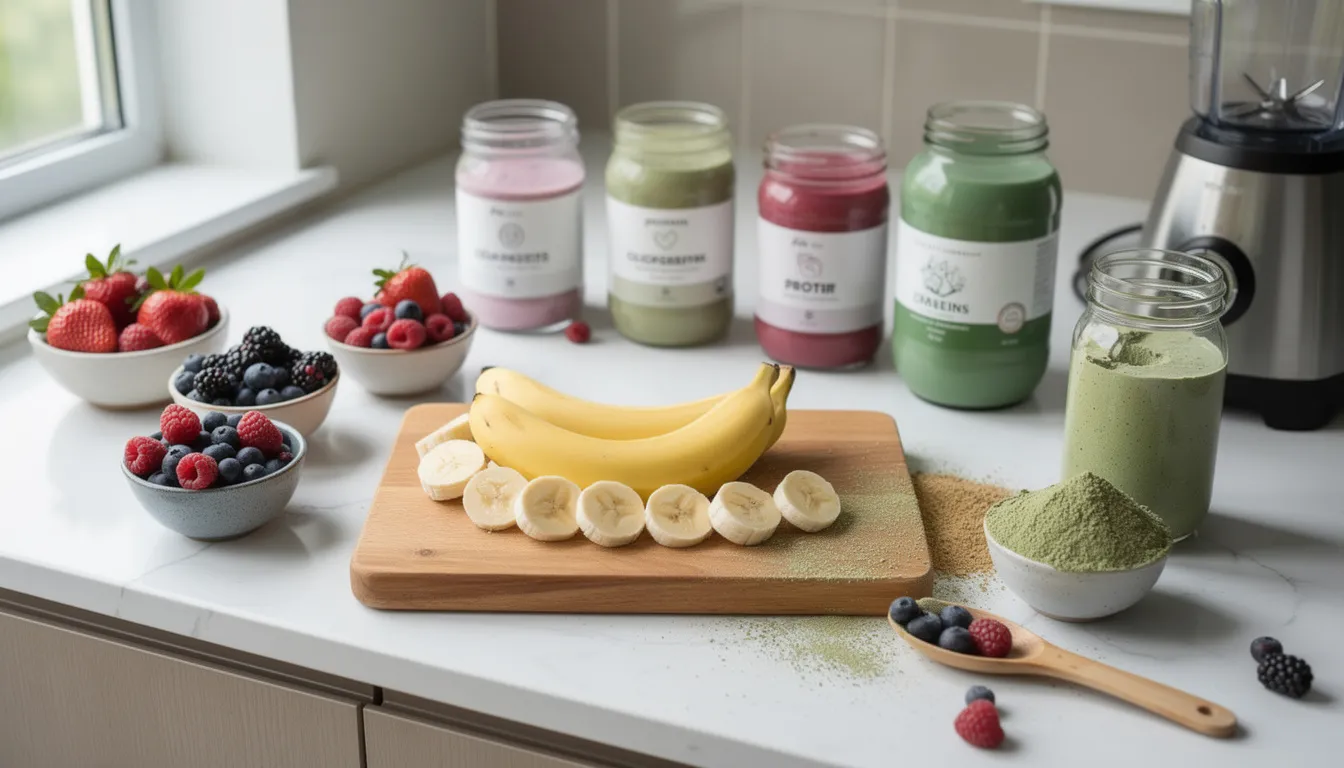
Some shake ideas to try:
-
Chocolate muscle gain shake: Chocolate whey + 5 g creatine + banana + oats + whole milk
-
Berry cutting shake: Vanilla plant protein + 5 g creatine + frozen mixed berries + almond milk
-
Simple post workout: Any flavored whey + 5 g creatine + cold water
The convenience factor is significant: one shaker bottle, one mix, minimal cleanup. This setup works perfectly for people training before work, during lunch breaks, or between other responsibilities.
Having a consistent post workout ritual also reinforces habit formation. When your creatine and protein intake becomes automatic, compliance skyrockets—and so do your results.
Hydration and Performance Considerations
Creatine increases water content inside muscle cells, so your daily fluid needs may rise slightly. Many lifters aim for about 2.5–3.5 liters of total fluids per day, adjusting for body weight, training intensity, and climate.
Mixing creatine into a protein shake contributes to your fluid intake, but you should still drink water throughout the day, especially around training sessions.
Adequate hydration helps minimize the occasional side effects sometimes blamed on creatine—mild muscle cramps, headaches, or cramping during intense exercise. Most of these issues trace back to insufficient water intake rather than the creatine itself.
With normal hydration habits, most healthy individuals tolerate creatine with protein powder with no issues whatsoever.
How to Combine Creatine and Protein: Best Practices
Getting results from combining creatine and protein comes down to consistency, appropriate doses, and practical habits you can maintain long-term.
The details matter less than most people think. Hitting your daily targets reliably beats obsessing over perfect timing or precise nutrient combinations.
Start with standard evidence-based doses before experimenting with loading phases or advanced stacking strategies. Here’s what the research supports.
Recommended Doses
For creatine:
-
3–5 g of creatine monohydrate daily for most healthy adults
-
Heavier strength athletes (over 90 kg) may benefit from the upper end
-
Optional loading phase: 20 g/day split into 4 doses for 5–7 days, then maintenance at 3–5 g
For protein:
-
20–30 g per shake fits most people’s needs
-
This should fit into a total daily intake of approximately 1.6–2.2 g per kg body weight
-
Adjust based on sex, body size, training volume, and goals
Check labels on pre workouts and protein blends carefully—some already contain creatine. Double-dosing won’t cause harm but wastes money and may cause unnecessary GI discomfort.
Avoid chronic megadoses (more than 10 g/day creatine) without medical reason. Research shows no extra benefit for most users, and higher doses increase the likelihood of bloating and stomach upset.
Timing Your Shake
Protein post workout is especially helpful in the 1–3 hour window after resistance training, when muscle protein synthesis rates are elevated. That said, total daily protein intake still matters most for long-term results.
Creatine timing is flexible. Many people add it to their post workout protein shake simply for convenience and routine—not because that timing is scientifically superior.
On rest days, take the same creatine–protein combo at any convenient time. Think of it as a snack between meals. This maintains creatine saturation in your muscle cells without requiring a training session.
For those training twice per day, a single daily creatine dose still works. Place it after your main session or whenever it fits your schedule.
Mixing Tips and Simple Recipes
Basic mixing instructions:
-
Add liquid (water, milk, or dairy-free alternative) to shaker first
-
Add protein powder
-
Add creatine powder
-
Close lid securely and shake vigorously for 20–30 seconds
Creatine monohydrate may leave a slight grit if the shake sits too long. Drink soon after mixing, or re-shake if it settles at the bottom.
Sample shakes for different goals:
|
Goal |
Recipe |
|---|---|
|
Muscle Gain |
2 scoops whey (50 g protein) + 5 g creatine + 1 banana + 2 tbsp peanut butter + whole milk |
|
Cutting |
1 scoop whey isolate (25 g protein) + 5 g creatine + ice + cold water |
|
Balanced |
1 scoop whey + 5 g creatine + frozen berries + almond milk |
Cold liquids generally produce better taste and texture. Creatine remains stable in cold liquids for the short periods typical of shake consumption—no need to worry about degradation.
Safety, Side Effects, and Who Should Be Cautious
Creatine and protein are among the most studied dietary supplements available, and both are considered safe for healthy adults at recommended dosages. The International Society of Sports Nutrition position stand affirms both as safe and effective.
Common mild side effects of creatine include:
-
Temporary water weight gain (2–5% increase in muscle volume from intracellular water)
-
Occasional bloating or stomach upset, especially with large single doses
-
Rare reports of muscle cramps when hydration is inadequate
These effects are typically minor and resolve with proper dosing and hydration.
Protein powder side effects may include:
-
Digestive discomfort in lactose-intolerant individuals (especially with whey concentrate)
-
Bloating from certain ingredients or artificial sweeteners
-
Allergic reactions in those sensitive to dairy, soy, or other protein sources
Who should consult a healthcare professional before using these supplements:
-
Individuals with existing kidney disease or severe liver issues
-
People with chronic medical conditions affecting metabolism
-
Teenagers (developing bodies may have different needs)
-
Pregnant or breastfeeding women
The myth that creatine damages kidneys in healthy people has been repeatedly debunked. Studies show no kidney harm at typical doses in individuals without pre-existing kidney conditions. However, if you have any health concerns, get professional guidance before adding any supplement regimen.
Choosing High-Quality Creatine and Protein Powders
Product quality matters significantly for supplements. You want accurate dosing, purity, and absence of contaminants or undisclosed substances.
For creatine, look for:
-
Creatine monohydrate (the most researched form)
-
“Micronized” labeling for better solubility
-
Third-party testing certifications (NSF Certified for Sport, Informed-Choice, or similar programs)
-
Simple ingredient list (creatine monohydrate only)
For protein powders, prioritize:
-
Transparent ingredient lists with protein source clearly stated
-
Reasonable protein-per-serving ratios (look for at least 20–25 g protein per 30 g serving)
-
Minimal unnecessary fillers or excessive added sugars
-
Third-party testing when possible
Consider your dietary needs when choosing. Options exist for those requiring vegan, lactose-free, or gluten-free products. If whey causes digestive issues, casein protein or plant-based alternatives may work better for you.
Creatine monohydrate remains the gold standard despite marketing claims about “superior” forms like creatine hydrochloride or buffered creatine. The research doesn’t support significant advantages for these alternatives.
Common Myths About Mixing Creatine with Protein
Myth: Creatine plus protein is hard on the kidneys
Reality: Research has not shown kidney damage at typical doses in healthy individuals. Creatine does increase creatinine levels (a marker sometimes used to assess kidney function), but this is a normal byproduct of creatine metabolism, not a sign of kidney stress.
Myth: Mixing them makes creatine less effective
Reality: Absorption is not impaired by protein in normal dietary amounts. In fact, some research suggests the insulin response from protein may slightly enhance creatine uptake into muscle cells.
Myth: Creatine is basically an anabolic steroid
Reality: Creatine has no hormonal similarity to anabolic steroids whatsoever. It’s a naturally occurring compound found in meat and fish, and it’s legal in virtually all sports when used as plain creatine monohydrate. Creatine helps regenerate ATP—it doesn’t manipulate hormone levels.
Myth: You must cycle creatine on and off
Reality: Long-term continuous use has been studied extensively and appears safe for healthy individuals. There’s no evidence that taking breaks improves effectiveness or reduces risks. Taking creatine daily for years is common practice among serious athletes.
Myth: Creatine causes fat gain
Reality: The small weight gain from creatine is largely intracellular water in muscle tissue, plus actual muscle growth from improved training capacity. This is not fat accumulation. Many people experience improved body composition with creatine due to enhanced muscle growth and performance.
Practical Ideas for Using Creatine and Protein in Your Day
Fitting creatine and protein into your routine doesn’t require complicated scheduling. Here are sample routines for different training times:
Early-morning training (6 AM workout):
-
Wake up, light snack if needed
-
Train
-
Post workout: creatine + protein shake
-
Full breakfast 1–2 hours later
Lunchtime training (12 PM workout):
-
Normal breakfast with enough protein
-
Train during lunch break
-
Creatine + protein shake immediately after
-
Light afternoon snack
Evening training (6 PM workout):
-
Normal meals during day
-
Pre workout snack if needed
-
Train
-
Post workout: creatine + protein shake
-
Dinner 1–2 hours later
Rest days:
-
Take creatine + protein shake as a mid-morning or afternoon snack
-
Timing doesn’t matter—just maintain consistent intake
Beyond shakes, you can stir both creatine powder and protein powder into oatmeal, yogurt bowls, or smoothie bowls. Some people prefer to “eat” their supplements rather than drink them.
For busy days, prepare and pack a shaker with portioned powders the night before. Add liquid when ready to drink. This prevents missed doses when schedules get hectic.
Consider tracking your intake on a note app or training log for the first 2–4 weeks. This builds the habit and helps you notice any changes in performance, recovery, or body composition.
The Bottom Line
Mixing creatine with protein powder is safe, convenient, and effective for supporting strength, performance, and muscle growth when paired with proper training and nutrition. There’s no scientific reason to avoid combining them, and plenty of practical reasons to do so.
The practical baseline for most lifters: 3–5 g creatine monohydrate plus 20–30 g quality protein in a shake once per day. Post workout timing works well, but consistency matters more than precision.
Remember that supplements are tools, not shortcuts. Consistent resistance training, adequate sleep, and overall diet remain the foundation of progress. Creatine and protein simply help you get more from those foundational habits.
Start simply—one mixed shake per day. Track your results over 4–8 weeks. Then adjust dosing, timing, and recipes based on what works for your body and goals.
FAQ
Q: Do I have to take creatine and protein together, or can I separate them?
A: You can absolutely take them separately. Combining them is primarily about convenience and building a consistent habit. What matters most is hitting your total daily intake of each supplement, not whether they’re consumed in the same drink. Some people prefer creatine in their morning coffee and protein after training—that works fine too.
Q: Can I mix creatine and protein powder in advance and leave it in the fridge?
A: Mixing a few hours ahead and storing in the refrigerator is generally fine. However, creatine can settle at the bottom of the shaker, so give it another vigorous shake before drinking. Avoid leaving mixed shakes at room temperature for extended periods (more than 2–3 hours) for food safety reasons, particularly with dairy-based protein powders.
Q: Is it okay to mix creatine with plant-based protein instead of whey?
A: Absolutely. Creatine is not animal-derived—it’s typically synthesized from non-animal sources—and it mixes well with pea, soy, rice protein, or blended plant proteins. The benefits are identical as long as you’re meeting your total protein intake targets and taking an appropriate creatine dose. Vegans and those avoiding dairy can use this combination with confidence.
Q: Can I take creatine and protein on days I don’t work out?
A: Yes, and you should. Maintaining daily creatine intake keeps your muscle stores saturated, which is essential for ongoing benefits. Protein still supports muscle recovery and contributes to your overall nutrition on rest days. On non-training days, timing is flexible—take your shake whenever it fits your schedule, whether that’s breakfast, a snack, or before bed.
Q: What happens if I miss a day of creatine in my protein shake?
A: Missing an occasional day won’t undo your results. Muscle creatine stores deplete slowly over time, so a single missed dose has minimal impact. Simply resume your normal creatine dose the next day—don’t double up to compensate. Consistency over weeks and months matters far more than any individual day.


Leave a comment
This site is protected by hCaptcha and the hCaptcha Privacy Policy and Terms of Service apply.