


-
Yes, you can take creatine on an empty stomach safely, but some people experience mild digestive discomfort like bloating, nausea, or cramping—especially with larger doses.
-
Total daily dose and consistency matter far more for results than whether you consume creatine with or without food. Muscles reach saturation after 3-4 weeks of regular use regardless of timing.
-
Pairing creatine with carbohydrates (oats, fruit, or a sports drink) may slightly improve muscle uptake due to the insulin spike and can reduce stomach issues for sensitive individuals.
-
Pure creatine monohydrate contains zero calories and no carbs, so it generally does not break most intermittent fasting protocols—though flavored products with added sugars will.
-
Those with a sensitive stomach, IBS, GERD, or a history of GI issues may do better taking creatine with a small meal rather than on an empty stomach.
Can You Take Creatine on an Empty Stomach?
Healthy adults can safely take 3-5 g of creatine monohydrate first thing in the morning or any time their stomach is empty. This is a straightforward answer that research consistently supports, and millions of fitness enthusiasts do exactly this without issues.
Creatine absorption starts in the small intestine and does not strictly depend on food being present. Your body produces creatine naturally from three amino acids, and dietary creatine supplements follow a similar absorption pathway. Creatine plays a crucial role in energy production, muscle performance, and overall health, making it an indispensable nutrient for both athletic and general wellness. However, consuming creatine alongside food—especially carbs—can influence how efficiently muscle cells pull creatine from the bloodstream through creatine uptake mechanisms. The insulin spike from carbohydrates activates creatine transporters, potentially enhancing transport into muscle tissue.
Common real-world situations where people take creatine on an empty stomach include:
-
Early morning training sessions before breakfast
-
Intermittent fasting protocols where meals are delayed
-
Rushing to work with no time for a proper meal
-
Splitting doses during a creatine loading phase when taking 4-5 servings daily
Research up through 2024 shows no major performance difference between taking creatine with meals versus between meals, as long as muscle creatine stores stay saturated over weeks. The key factor for muscle growth, muscle strength, and athletic performance is consistency—not the precise moment you take your dose.
The practical takeaway? Experiment with what works for you. If consuming creatine on an empty stomach feels fine and fits your routine, it’s perfectly acceptable. If you experience stomach discomfort, shift it to a mealtime without worrying about losing results.

Pros and Cons of Taking Creatine on an Empty Stomach
Taking creatine solo without food has both potential benefits and drawbacks. Understanding these trade-offs helps you make an informed choice about your creatine timing strategy.
Potential Advantages of empty-stomach creatine intake include slightly faster gastric emptying and rapid absorption into the bloodstream. When your stomach is empty at a low pH (around 1.3), creatine dissolves efficiently and moves quickly to the small intestine for uptake. This approach also creates an easy habit—wake up, mix creatine powder in water, drink, and move on with your day. For those practicing intermittent fasting or fitting in early morning training before work, this method eliminates the need for meal preparation. Pure creatine contains zero calories, so it won’t derail your fasting or calorie goals.
Potential Drawbacks center primarily on digestive issues. Some users experience nausea, cramping, bloating, gas, or diarrhea due to creatine’s osmotic effect, which draws water into the gut. This potential digestive discomfort is more pronounced during loading phases involving higher doses (around 20g/day split into 4-5 servings). Additionally, some research and expert opinion suggest that combining creatine with carbs or protein may enhance muscle uptake thanks to the insulin response—a benefit you miss when taking creatine solo. Large single doses (like 10g at once) are especially tough without food to buffer the stomach.
|
Who Empty-Stomach Creatine Suits |
Who Should Take It With Food |
|---|---|
|
Early-morning lifters |
Those with sensitive stomachs |
|
Intermittent fasters |
People prone to GI issues |
|
Those with “iron stomachs” |
Anyone using loading doses |
|
People who prefer simple routines |
Those wanting maximum uptake |
Signs You Don’t Tolerate Fasted Creatine Well
Even though creatine supplementation is safe for most healthy adults, your body may signal that it prefers creatine with food rather than on an empty stomach. Paying attention to these signals saves you unnecessary discomfort.
Watch for these symptoms within 30-90 minutes after a fasted dose:
-
Bloating or visible stomach distension
-
Stomach cramps or sharp abdominal pain
-
Urgent bowel movements
-
Loose stools or diarrhea
-
Nausea or queasiness
-
Acid reflux or heartburn
If these signs appear consistently over several days, reduce your single dose from 5g to 2-3g or switch to taking creatine with breakfast. This simple adjustment often resolves the issue completely.
People with known IBS, GERD, or a history of GI sensitivities should be especially cautious about starting with empty-stomach dosing. For these individuals, beginning with creatine alongside a small meal is the smarter approach.
If symptoms persist even with food and lower doses, stop creatine and consult a healthcare professional before continuing.
Does Creatine Break a Fast?
The answer depends on what type of fasting you’re following and how strictly you define “breaking” a fast.
Classic religious fasts often prohibit any consumption, including dietary supplements. “Clean” intermittent fasting typically focuses on avoiding calories, insulin spikes, and digestive processes. Looser weight-management fasts simply aim to reduce overall calorie intake during fasting windows.
Plain creatine monohydrate powder typically contains zero calories, zero carbs, and no protein. Under most intermittent fasting approaches, it does not meaningfully affect blood sugar, insulin levels, or ketosis. Creatine is a naturally occurring compound that doesn’t trigger the metabolic responses that “break” a fast.
Many fasters use a rough “50-calorie” rule—anything under 50 calories won’t significantly disrupt fasting benefits. Pure creatine falls well below this threshold. However, flavored creatine products often contain dextrose, maltodextrin, sugars, or other carbs that absolutely will break a strict fast.
Before purchasing, check ingredient labels carefully. If preserving a strict fast matters to you, choose unflavored, pure creatine powder with no additives. Also remember that even if creatine doesn’t break a fast metabolically, some strict religious or personal fasting rules might still forbid supplements—follow your chosen guidelines accordingly.
Creatine Timing: Empty Stomach vs With Meals
Most studies up through 2024 show that creatine timing is far less important than total daily intake and long-term consistency. The debate over when to take creatine often overshadows what actually matters: taking it every single day.
Muscles reach saturated creatine levels after roughly 3-4 weeks of taking 3-5 g/day, regardless of whether doses are pre workout, post workout, with food, or between meals. Once saturation occurs, your muscle stores are topped off and ready to support high intensity exercise and the rapid energy production pathway during intense training.
Two practical approaches work equally well:
-
Same time daily on an empty stomach: Wake up, mix creatine in water, drink immediately. Simple, consistent, done.
-
Anchored to a regular meal: Take creatine with breakfast, lunch, or a post workout shake. Food may aid digestion and slightly enhance uptake.
Taking creatine alongside a mixed meal containing carbs and protein may modestly improve uptake thanks to the insulin response. Some research suggests this combination enhances creatine transport into muscle cells. For those wanting every small advantage for lean muscle mass gains, this approach makes sense.
Adherence and comfort should drive your timing choices. The “best” time to take creatine is the time you won’t forget and that doesn’t upset your stomach.

Pre-Workout vs Post-Workout Creatine
Many lifters wonder whether taking creatine pre workout or post workout is superior—especially when training in the morning on an empty stomach.
Pre-workout creatine offers several theoretical benefits:
-
Creatine available in the bloodstream when training begins
-
Psychological ritual of taking it with other pre workout supplements
-
Easy stacking with coffee or stimulant-based pre-workouts
-
Convenient for early morning training sessions
Post-workout creatine has its own advantages:
-
May align with an enhanced nutrient uptake window after intense exercise
-
Often taken with a carb- and protein-containing meal or shake
-
The insulin spike from carbs may enhance creatine transport into muscle cells
-
Fits naturally into muscle recovery nutrition
Studies comparing pre- vs post-workout creatine show mixed results, and the overall exercise performance difference is small compared with simply being consistent every day. Taking creatine post workout with food might offer a slight edge, but not enough to matter if that timing doesn’t work for your schedule.
The clear recommendation: pick whichever timing fits your life. If you train at 6 a.m. and prefer fasted workouts, take creatine on an empty stomach before training. If you’d rather have it with your post-workout meal, that works just as well for physical performance.
Creatine on Rest Days and Before Bed
Creatine should also be taken on non-training days to maintain saturated creatine levels in your muscles. Skipping rest days creates inconsistency that can slow your progress toward full saturation.
On rest days, it doesn’t matter if creatine is taken morning, noon, or night. Many people keep the same time each day to maintain the habit—personal preference and routine matter more than any physiological timing advantage.
Creatine is not a stimulant, so taking it close to bedtime typically does not interfere with sleep for most people. Unlike caffeine or other pre workout supplements, creatine won’t leave you staring at the ceiling at 2 a.m.
Before-bed creatine can be taken with a small snack (Greek yogurt and berries work well) or alone, depending on your digestive comfort and calorie goals. If you tolerate fasted creatine fine during the day, bedtime dosing on an empty stomach should be equally comfortable.
Remember that hydration still matters on rest days and at night. Creatine shifts water into muscle cells and may slightly increase urine output, so keep water intake adequate even when you’re not training.
How Much Creatine to Take Daily (and How It Feels on an Empty Stomach)
Most adults with normal kidney function use 3-5 g of creatine monohydrate per day as a standard long-term maintenance dose. This amount effectively maintains muscle creatine stores once saturation is achieved.
The creatine loading phase is an optional approach: approximately 20 g per day split into 4 equal doses (5 g four times daily) for 5-7 days, followed by a maintenance dose of 3-5 g per day. Loading accelerates saturation from about 4 weeks down to roughly 1 week, which some athletes prefer before competitions or intense training blocks.
Large single doses—like 10 g at once—are more likely to cause bloating, cramping, or loose stools, especially on an empty stomach. The osmotic effect of high creatine concentrations draws water into the gut, causing gastrointestinal discomfort. Avoid mega-doses if you’re taking creatine solo without food.
|
Dosing Strategy |
Daily Amount |
Duration |
Best For |
|---|---|---|---|
|
Standard maintenance |
3-5 g once daily |
Ongoing |
Most users |
|
Loading phase |
20 g split into 4 doses |
5-7 days |
Rapid saturation |
|
Conservative start |
3 g once daily |
First 5-7 days |
New users, sensitive stomachs |
For those new to creatine, start at 3 g once daily with a meal or on a lightly filled stomach for 5-7 days to test tolerance. If everything feels good, increase to 5 g if desired. There’s no rush—consistency over weeks matters more than how much creatine you take on any single day.
Heavier strength training athletes, high-volume trainees, or those with more muscle mass sometimes use up to 8-10 g per day. However, this is typically split into 2 doses and often taken with food to aid digestion and absorption.
Who Might Need Different Doses?
Some groups benefit from slightly adjusted dosing strategies based on their training, diet, or physiology.
-
Powerlifters and sprinters who train intensely multiple times per week may use the classic creatine loading phase before a competition phase to ensure maximum creatine stores for peak performance.
-
Vegetarians and vegans tend to have lower baseline creatine stores since dietary creatine comes primarily from meat and fish. These individuals often experience noticeable benefits in muscle strength and intense physical activity even at standard 3-5 g/day doses without loading.
-
Older adults focusing on strength training and fall prevention may use 3 g/day regularly. However, they should discuss kidney health and any medications with their clinician before starting, as some drugs interact with creatine metabolism.
-
Anyone with kidney disease, on nephrotoxic medications, or with complex medical histories should seek medical clearance before using creatine at any dose. While creatine is safe for healthy kidneys, those with compromised renal function need professional guidance.
Best Creatine Forms for Taking on an Empty Stomach
Creatine monohydrate remains the gold-standard form studied in research and is suitable for empty-stomach use in most people. It’s also the most affordable and widely available option.
Micronized creatine monohydrate is a particularly practical choice for fasted dosing. The smaller particle size means it dissolves more easily, mixes smoother in water, and may feel gentler on the stomach compared to regular creatine monohydrate. For those prone to sensitive digestion, micronized versions are worth the slightly higher price.
Other forms exist on the market:
|
Form |
Claimed Benefit |
Evidence |
Empty Stomach Suitability |
|---|---|---|---|
|
Creatine monohydrate |
Best studied, proven effective |
Strong |
Good for most |
|
Micronized creatine |
Better solubility |
Moderate |
Excellent |
|
Creatine hydrochloride |
Better absorption |
Limited |
Variable |
|
Buffered creatine |
Reduced stomach issues |
Limited |
May help sensitive users |
|
Creatine ethyl ester |
Enhanced uptake |
Weak |
Not recommended |
|
Creatine malate |
Less bloating |
Limited |
Variable |
Evidence supporting alternatives like creatine hydrochloride or buffered creatine as superior to monohydrate is limited, though some individuals report better GI comfort with these forms.
If you want zero calories and no sugars during a fast, choose unflavored, additive-free creatine powder. Flavored forms often contain sweeteners or carbs that can upset fasting rules or digestion.
Start with a reputable, third-party-tested creatine monohydrate product. Only experiment with alternative forms if you experience digestive issues that don’t resolve with lower doses or taking it with food.
Practical Tips for Taking Creatine on an Empty Stomach
Here’s a quick checklist for readers who prefer fasted creatine but want to minimize side effects:
-
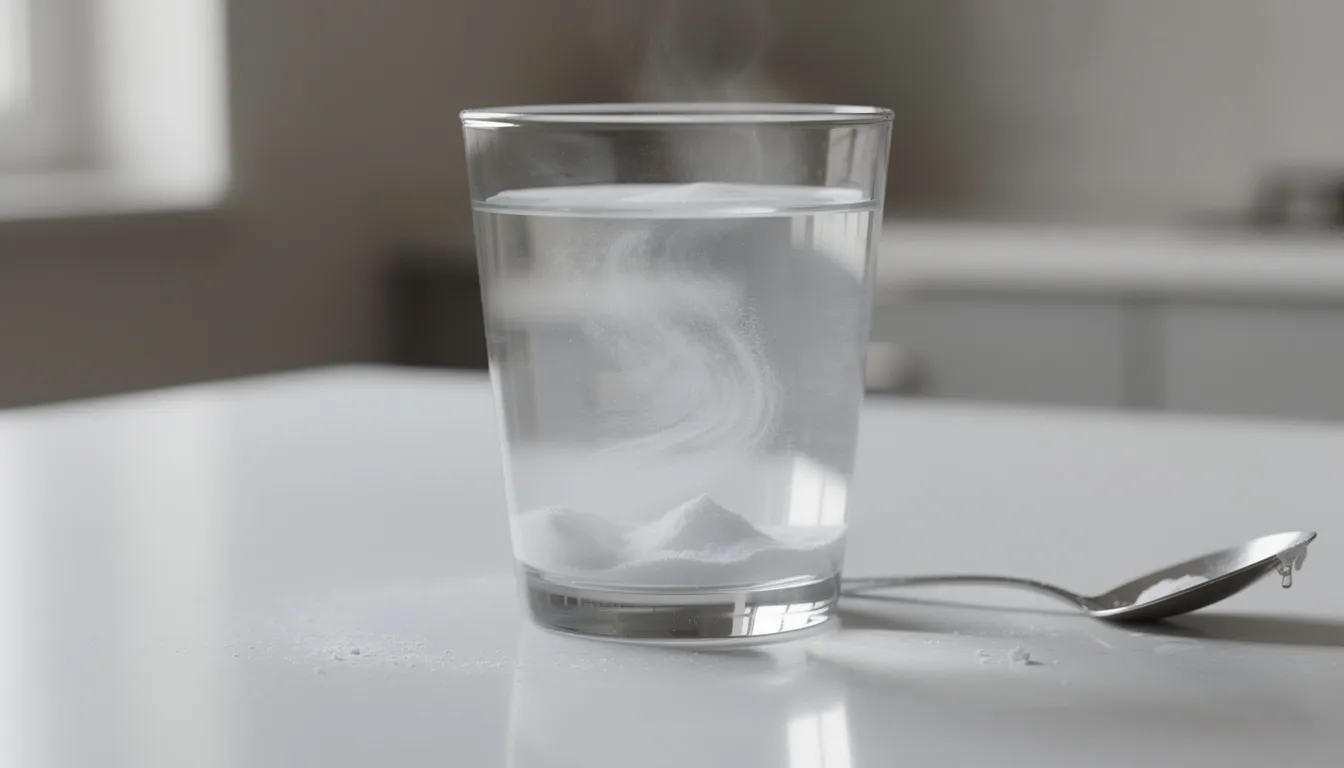
Mix thoroughly in at least 250-300 ml (8-10 oz) of water. Let it sit for a minute for better dissolution before drinking. Undissolved creatine hitting your stomach can increase digestive upset.
-
Start with 2-3 g rather than jumping straight to 5 g, especially if you’re prone to digestive issues. Increase over several days if no problems arise.
-
Pair with extra water—a full glass or two—to help offset the osmotic pull of creatine and support overall hydration. This is especially important if you’re also drinking coffee or training in heat.
-
Track how you feel for 1-2 weeks. Note energy levels, digestion, and bathroom habits. If anything feels consistently off, switch creatine to post workout or a meal without fear of losing long-term benefits.
-
Avoid combining with other supplements that may irritate the stomach on an empty stomach, like high-dose caffeine pills or acidic pre workout supplements.
Interactions with Other Nutrients When Taking Creatine on an Empty Stomach
When it comes to creatine supplementation, understanding how creatine interacts with other nutrients can help you get the most out of your routine—especially if you prefer to take creatine on an empty stomach. The way you combine creatine with other dietary supplements or foods can influence everything from muscle creatine stores to digestive comfort and overall exercise performance.
Taking creatine on an empty stomach may allow for faster absorption, as there’s less competition from other nutrients in the digestive tract. However, this rapid absorption can sometimes come at the cost of increased digestive discomfort, such as bloating or stomach cramps, particularly for those with sensitive stomachs. If you notice these issues, switching to a micronized creatine powder or pairing your dose with a small snack can help buffer your stomach and make your supplement regimen more comfortable.
Carbohydrates play a unique role in creatine uptake. Consuming creatine with a carb-rich food or drink—like a banana, oats, or a sports beverage—can trigger an insulin spike, which helps shuttle creatine into muscle cells more efficiently. This can be especially beneficial for those aiming to maximize muscle growth, muscle strength, and muscle recovery. While taking creatine solo on an empty stomach is convenient, adding a small amount of carbs may give your muscle tissue a slight edge in creatine absorption.
Creatine also pairs well with other nutrients commonly found in pre workout supplements, such as protein powder or branched-chain amino acids (BCAAs). Combining creatine with these amino acids can further support muscle gain and recovery after high intensity exercise. Just be mindful not to overload your supplement regimen—balance is key to supporting lean muscle mass without unnecessary digestive upset.
Caffeine is another nutrient to consider. While it’s safe to take creatine and caffeine together, high doses of caffeine (often found in pre workout supplements) can increase urine output and may contribute to dehydration. If you’re consuming creatine on an empty stomach alongside your morning coffee or pre workout, be sure to drink extra water to maintain optimal hydration and support muscle creatine stores.
Finally, some athletes choose to stack creatine with other performance-enhancing nutrients like beta-alanine. This combination can further boost high intensity exercise performance, but as always, monitor your body’s response and adjust your supplement timing or combinations if you notice any digestive discomfort.
Who Should Avoid Taking Creatine on an Empty Stomach?
While creatine is widely used and generally safe for healthy adults, certain people may want to avoid fasted dosing specifically—not because creatine is dangerous, but because their digestive systems handle it better with food.
Groups who should be cautious about empty-stomach creatine include:
-
Those with a history of gastritis, ulcers, GERD, IBS, or chronic diarrhea
-
People who already struggle with morning nausea
-
Anyone who has repeatedly experienced GI upset from fasted creatine
-
Individuals taking medications that irritate the stomach (regular NSAIDs like ibuprofen)
-
Those with sensitive stomach issues generally
People taking stomach-irritating medications may be more comfortable taking creatine alongside a small meal to buffer any additional stress on the digestive system.
Individuals under 18, pregnant or breastfeeding women, and people with diagnosed kidney disease should not self-prescribe creatine and must consult a healthcare provider first. While creatine supplementation has potential benefits for brain health and physical performance in various populations, medical guidance is essential for these groups.
If you fall into any of these categories and you and your doctor decide to use creatine, starting with 3 g alongside a mixed meal is usually more appropriate than fasted dosing. You’ll still get all the muscle gain and exercise performance benefits without the digestive drama.
Summary: Is It Worth Taking Creatine on an Empty Stomach?
Creatine works primarily by achieving and maintaining muscle saturation over weeks—not by precise timing or stomach fullness. The compound supports the rapid energy production pathway during intense exercise, enhances muscle recovery, and contributes to long-term muscle mass and strength gains regardless of when you take it.
Taking creatine on an empty stomach is perfectly fine and convenient for many people. Early-morning lifters, intermittent fasting practitioners, and those who simply prefer streamlined routines can absolutely make this approach work. As long as you tolerate it well and stay consistent, you’ll see results.
Those who experience bloating, cramps, nausea, or other GI symptoms should move creatine to a meal and possibly lower the dose per serving. There’s no shame in this—some bodies simply prefer food as a buffer. You won’t lose any gains by adjusting your approach.
Pure, high-quality creatine monohydrate at 3-5 g/day, taken consistently for weeks and months, is what drives real strength, muscle, and athletic performance benefits. Whether that dose happens on an empty stomach at 5:30 a.m. or with your post-workout shake at noon matters far less than simply doing it daily.
Choose the timing and method that helps you stay consistent, comfortable, and well-hydrated. That’s the real secret to creatine success.
Frequently Asked Questions
What is creatine? Creatine is a naturally occurring compound found in muscle cells and is also available as a dietary supplement. The main use of creatine is to support muscle energy and performance, especially during high-intensity exercise.
Does taking creatine on an empty stomach make it work faster? Faster absorption into the bloodstream may occur without food due to quicker gastric emptying, but this doesn’t translate to faster results. Real-world benefits—muscle strength, weight gain from lean muscle mass, and improved intense training capacity—depend on weeks of consistent creatine intake, not minute-by-minute absorption speed. Your muscle stores need time to saturate regardless of how quickly each individual dose enters your blood.
Can I mix creatine with my morning coffee if I’m fasting? Yes, combining creatine with black coffee is generally safe and won’t break a fast. Both creatine and caffeine may increase urine output, so drink extra water throughout the day. Keep in mind that adding sugar, milk, or cream to your coffee adds calories and may break a strict fast. Stick to plain black coffee if maintaining your fasting window is important to you.
Is it okay to skip creatine on days my stomach feels off? Occasionally missing a dose isn’t catastrophic because muscle stores decline slowly over days, not hours. However, frequent skipping will reduce the benefits you experience from creatine supplementation. Resume as soon as possible, and if stomach discomfort is recurring, switch to taking creatine with food rather than skipping altogether. Consistency remains the most important factor for results.
How long before my workout should I take creatine if I’m training fasted? Taking creatine 20-60 minutes before training works fine, but exact timing is less critical than daily consistency. Some people simply take creatine immediately upon waking with water, regardless of when they train. Since creatine works through long-term muscle saturation rather than acute effects, the time to take creatine relative to your workout matters less than making sure you take it every day.
Can creatine on an empty stomach cause dehydration? Creatine pulls water into muscle cells, which can slightly increase overall fluid needs. This effect may increase urine output, especially when combined with caffeine from coffee or pre workout supplements. Drink enough water throughout the day—particularly if training in hot environments or sweating heavily. Dehydration risk isn’t unique to empty-stomach dosing, but being mindful of hydration helps you avoid cramping and supports optimal creatine function in your supplement regimen.



Leave a comment
This site is protected by hCaptcha and the hCaptcha Privacy Policy and Terms of Service apply.