


Yes, you can take creatine without working out, but muscle and strength gains will be limited. Most benefits will be subtle health and brain effects rather than dramatic physique changes.
-
Limited muscle gains without training: Creatine supplementation without resistance training will not build much new muscle. You may notice a bit of water-related size (1-3 lbs) and possibly help maintaining existing muscle, but true muscle growth requires exercise.
-
Brain and energy support still applies: Research suggests creatine can support brain function, reduce mental fatigue, and possibly aid healthy aging and blood sugar management—even in people who don’t exercise regularly.
-
Taking creatine supplements: People consider taking creatine supplements for several reasons, including improving athletic performance, increasing muscle strength, supporting recovery, and potential cognitive benefits. Some individuals take creatine supplements even if they do not exercise.
-
Safe at standard doses: Creatine monohydrate at 3-5 grams per day is considered safe for healthy adults, including on days with no exercise. Decades of research back this up.
-
Some people should check with a doctor first: If you have kidney disease, liver disease, are under 18, pregnant, breastfeeding, or taking medications that affect kidney function, get medical advice before starting creatine supplements.
What Is Creatine and How Does It Work?
Creatine is a naturally occurring compound found in your body, synthesized primarily in the liver and kidneys from three amino acids: arginine, glycine, and methionine. You also get creatine from dietary sources like beef, pork, and fish. It’s not some exotic lab creation—your body makes and uses it every day.
About 95% of your body’s creatine is stored in skeletal muscles as creatine phosphate (also called phosphocreatine), with the remaining 5% distributed in the brain and other tissues.
Here’s how it works in simple terms:
-
Rapid energy regeneration: Phosphocreatine donates a phosphate group to ADP, quickly regenerating adenosine triphosphate (ATP)—your body’s primary energy currency. This is especially important during short, intense efforts lasting up to about 10-15 seconds, like a heavy set of squats or a 100-meter sprint.
-
Stores build over time: When you supplement with creatine, your total creatine and phosphocreatine levels in muscle and brain increase over several days to weeks. This happens whether or not you work out.
-
Diet vs. supplements: A typical omnivorous diet provides about 1-2 grams of creatine daily. A common supplement dose is 3-5 grams per day. Creatine dosage can also be personalized based on body weight and individual goals to maximize efficacy and safety. Vegetarians and vegans often start with lower baseline creatine stores, making supplementation potentially more impactful for them.
-
Energy production beyond the gym: While creatine is famous for enhancing athletic performance, its role in energy production extends to daily activities and brain function too.
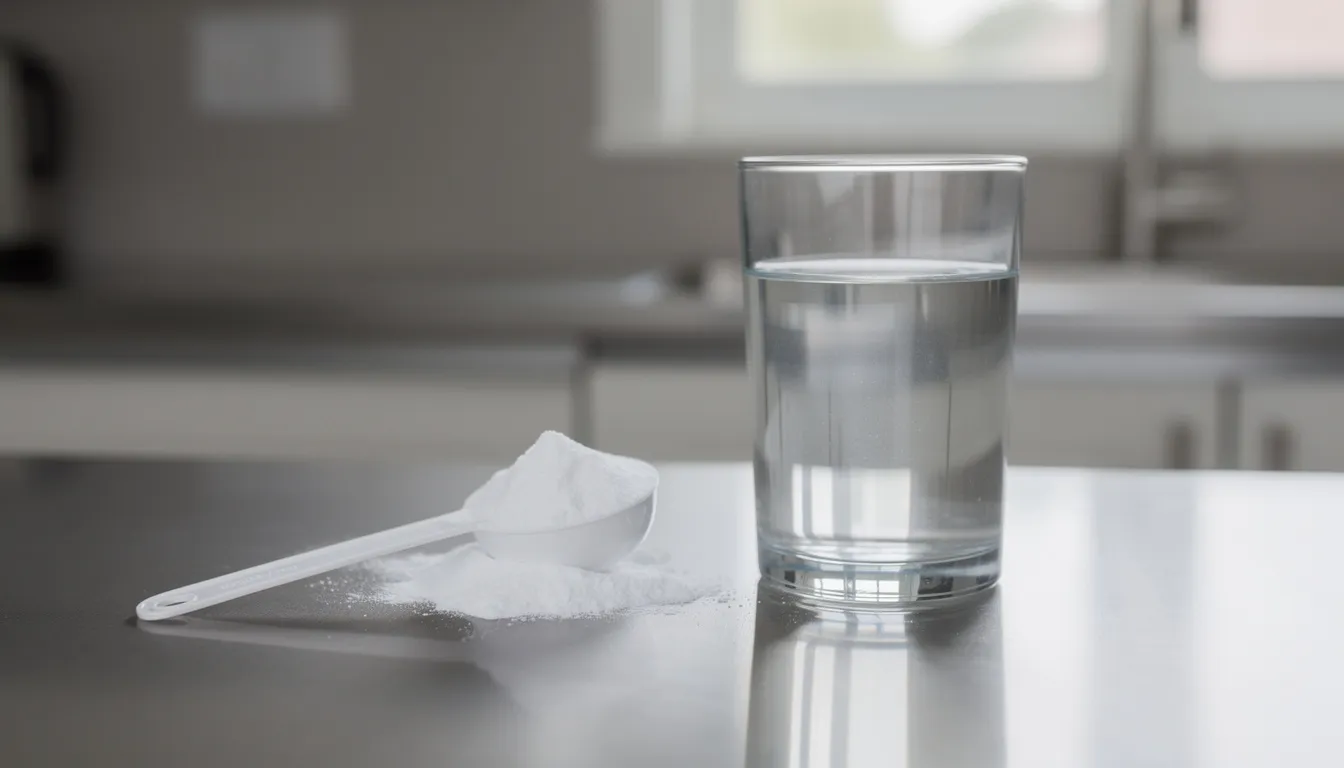
Types of Creatine Supplements
With the growing popularity of creatine supplementation, the market now offers a variety of creatine supplements designed to support muscle mass, muscle growth, and athletic performance. Understanding the differences between these types can help you choose the best option for your needs and goals.
Creatine Monohydrate:This is the most researched and widely used form of creatine. Decades of studies have shown that creatine monohydrate is highly effective at increasing muscle mass, boosting muscle strength, and enhancing athletic performance. It’s affordable, easy to find, and remains the gold standard for both athletes and those seeking general health benefits from creatine supplementation.
Creatine Hydrochloride (HCl):Creatine hydrochloride is known for its high solubility, which means it dissolves more easily in water than other forms. Some users find it gentler on the stomach, but current research is limited, and there’s no strong evidence that it outperforms creatine monohydrate in terms of muscle growth or exercise performance.
Creatine Ethyl Ester:Once marketed as a superior alternative due to claims of better absorption, creatine ethyl ester has not lived up to the hype in scientific studies. Research suggests it is not more effective than creatine monohydrate, and in some cases, it may be less efficient at increasing creatine levels in muscle cells.
Buffered Creatine:Buffered creatine products have a higher pH, which may help reduce stomach discomfort for some users and potentially improve absorption. However, more research is needed to confirm these benefits, and they have not been shown to significantly outperform creatine monohydrate for muscle gains or athletic performance.
Other Forms:You may also encounter creatine nitrate, creatine malate, and other specialty blends. While these offer unique marketing angles, there is currently limited research supporting their effectiveness compared to the tried-and-true creatine monohydrate.
Choosing the Right Creatine Supplement:When selecting a creatine supplement, consider the type of creatine, the recommended dosage, and the reputation of the manufacturer. Creatine supplements are available in powders, capsules, and tablets, making it easy to fit into your daily routine. Some products also include added carbohydrates, protein, or other performance-enhancing ingredients to further support muscle recovery and growth.
As with any dietary supplement, it’s wise to consult a healthcare professional before starting creatine—especially if you have underlying health conditions or are taking other supplements. By understanding the different types of creatine supplements and their potential benefits, you can make an informed decision that supports your fitness goals, muscle performance, and overall health.
What Happens If You Take Creatine But Don’t Work Out?
Taking creatine without exercise won’t create dramatic body changes, but it can still have small, measurable effects. Managing expectations is key here.
-
No significant hypertrophy: Without resistance training, creatine does not meaningfully increase muscle protein synthesis or true muscle growth. It mainly increases creatine levels within muscle cells and pulls water into those cells.
-
Water weight gain: Users typically notice 1-3 lb (0.5-1.5 kg) of scale weight gain within the first 1-2 weeks. This is water retention in muscles, not fat gain. Your body fat percentage doesn’t change from this effect.
-
May help preserve existing muscle: During periods of reduced activity—like recovery after an injury, sedentary desk work, or short-term immobilization—creatine may help maintain muscle mass. However, it cannot fully replace the stimulus that regular exercise provides.
-
Subtle energy effects: Some people report feeling slightly more “energized” or experiencing less fatigue during daily tasks. Creatine may also help reduce muscle fatigue during daily activities, even for those not engaging in structured exercise. This effect is subtle and varies considerably from person to person.
-
No major physique transformation: Bigger, harder muscles and large strength jumps require a training stimulus. Creatine alone is only a supportive factor—it amplifies the effects of exercise rather than replacing them.
Does Creatine Build Muscle Without Lifting?
Creatine alone cannot build much new muscle. You need mechanical tension from resistance training for true muscle growth.
Muscle growth is driven by three main factors: progressive overload, muscle damage, and metabolic stress. These are stimuli that creatine does not provide on its own. Here’s the distinction:
-
Cell volumization vs. real growth: Creatine can slightly increase muscle cross-sectional area by pulling water into muscle cells. This may make muscle fibers look fuller, but it’s not the same as adding contractile tissue (actual muscle protein).
-
Controlled studies are clear: The largest gains in lean muscle mass occur when creatine is combined with structured resistance training programs, not when taken in isolation. Studies consistently show this pattern.
-
Clinical populations need exercise too: Even for older adults or those with muscle-wasting conditions, creatine shows its best effects when paired with exercise or physical therapy. In trials with ALS patients taking 5-10 grams daily without exercise training, there were no benefits on muscle strength or physical performance compared to placebo.
-
Water weight ≠ increased muscle mass: That initial weight gain you see on the scale? It’s intracellular water, not new muscle tissue that improves muscle contraction strength.
The bottom line: creatine helps you build muscle faster when you train, but it doesn’t build muscle for you.
Creatine on Rest Days, Off-Weeks, and Low-Activity Periods
Creatine works by saturating muscle stores over time, so taking it on days you don’t work out—rest days, deload weeks, travel days—is still useful and recommended.
-
Saturation matters: Once your stores are saturated (typically after a loading phase or 3-4 weeks of daily 3-5 gram dosing), they stay elevated as long as you keep taking creatine consistently. A creatine supplementation strategy may include a loading phase followed by a maintenance dose, which helps keep muscle stores saturated even during periods of low activity.
-
Supports your next workout: Taking creatine every day, including non-training days, helps ensure your next workout benefits from full phosphocreatine stores. Even if you have several days off between sessions, you’ll be ready to perform.
-
Practical examples:
-
Someone lifting 2-3 times per week benefits from daily creatine, not just on training days
-
A person recovering from minor surgery can maintain their creatine stores for when they return to activity
-
An athlete in the off-season keeps creatine in their routine to support muscle recovery and maintain baseline stores
-
Inactive weeks shift the benefit profile: On completely inactive weeks, creatine’s main roles shift from exercise performance enhancement to maintenance, general energy levels, and brain health support. Adjust your expectations accordingly.
Non-Exercise Benefits of Creatine (Why Some People Take It Anyway)
Growing research suggests creatine supplementation may support health areas beyond muscle and gym performance. This is relevant if you’re someone who doesn’t train regularly but is curious about creatine benefits.
-
Brain benefits: Better short-term memory, faster information processing, and reduced mental fatigue—especially notable in sleep-deprived people, vegetarians/vegans, and older adults.
-
Healthy aging support: Creatine helps maintain muscle mass and function with age (addressing sarcopenia), supporting independence and possibly aiding bone health indirectly through stronger muscles.
-
Anti-inflammatory potential: Some studies show lower markers of inflammation (including tumor necrosis factor alpha) and oxidative stress, which may be relevant for chronic low-grade inflammation associated with aging.
-
Metabolic effects: Mixed but promising evidence suggests creatine may help with glucose tolerance and insulin sensitivity when combined with activity. However, it’s not a treatment for diabetes or a substitute for blood sugar management medications.
-
Research is evolving: These benefits are “supportive” and “adjunctive”—creatine is not a cure for medical conditions. Think of it as one piece of a larger health puzzle.

Cognitive Function and Brain Health
The brain is energy-hungry, and like muscles, it also uses creatine and phosphocreatine to buffer ATP for demanding cognitive tasks.
-
Improved cognitive tasks: Research shows creatine can enhance working memory, reaction time, and mental endurance—particularly under stressful conditions like all-nighters, intense exams, or demanding jobs.
-
Sleep deprivation studies: In a 2006 double-blind study, adults given 20 grams of creatine during 24 hours of sleep deprivation showed significant improvements over placebo in random movement generation, verbal and spatial recall, choice reaction time, and mood state. Mental fatigue was reduced, and cognitive function was preserved.
-
Practical applications: Think shift workers, students during finals week, new parents, or anyone facing extended periods without adequate rest. Creatine plays a supporting role in these scenarios.
-
Emerging brain injury research: Preliminary data suggests creatine may offer some protection or support in mild traumatic brain injury and even traumatic brain injury recovery. However, this is still experimental and should not replace medical care.
Healthy Aging, Inflammation, and Metabolism
As people move into their 50s, 60s, and beyond, they naturally lose muscle (sarcopenia), strength, and sometimes balance. Creatine may help slow this process, especially when combined with even light resistance exercise.
-
Strength and function in older adults: Creatine supplementation has been linked to better strength and physical performance when combined with training, and modest fatigue reduction even without structured workouts.
-
Inflammation and oxidative stress: Some trials show creatine influences inflammatory cytokines and oxidative stress markers, which could support joint comfort and general vitality. Results are not uniform across all studies.
-
Blood sugar handling: Creatine supplementation may support better blood sugar management when paired with physical activity like walking, but on its own the effect is modest and inconsistent across studies.
-
Talk to your doctor: Older adults or people with chronic conditions should discuss creatine with their healthcare provider before starting. It’s a supporting player in a broader healthy lifestyle, not a standalone solution.
What Type of Creatine and How Much If You Don’t Work Out?
Creatine monohydrate is the gold standard: most researched, affordable, and effective for both athletes and non-exercisers. This is where your daily creatine intake should come from.
-
Newer forms aren’t necessarily better: Creatine HCl, buffered creatine, creatine ethyl ester, and creatine nitrate are heavily marketed but have not consistently outperformed monohydrate in studies. Stick with what works.
-
Simple dosing for non-athletes: Take 3-5 grams of creatine monohydrate once daily, with or without food, at any time that’s easiest to remember. Consistency matters more than timing. A creatine supplementation strategy for non-exercisers typically involves a steady maintenance dose without a loading phase, focusing on regular daily intake rather than specific timing.
-
Loading phase is optional: Some people do a loading phase of 20 grams per day (split into 4-5 doses) for 5-7 days for rapid performance enhancement. For general wellness without intense workouts, a steady daily maintenance dose without loading is sufficient—stores saturate over 3-4 weeks anyway.
-
Easy ways to take it: Mix creatine into water, juice, coffee, or a smoothie. There’s no need to time it around hypothetical “anabolic windows.” Just take it consistently.
-
Starting creatine supplementation is simple: Pick a time (morning with breakfast, evening with dinner, post-shower—whatever works) and stick with it daily.
Safety, Side Effects, and Who Shouldn’t Take Creatine
Decades of research show creatine monohydrate is generally safe at 3-5 grams per day for healthy adults, including when taken long-term. But like any dietary supplement, there are considerations.
Common, usually mild side effects:
|
Side Effect |
Frequency |
Notes |
|---|---|---|
|
Water weight gain |
Common (1-3 kg) |
Temporary; mainly intramuscular |
|
Bloating/stomach upset |
Occasional |
More common with large single doses |
|
Muscle cramps |
Rare |
Usually related to poor hydration |
|
Muscle tightness |
Rare |
May occur during initial loading |
Hydration matters: Drink roughly 2-3 liters of water per day (adjusted for body size, climate, and activity) to reduce cramping and GI issues. Contrary to popular belief, controlled trials have found no differences in dehydration markers, sweat rates, or electrolytes between creatine and placebo groups after exercise.
Kidney function concerns addressed: In healthy people, recommended doses have not been shown to damage kidneys. However, creatinine levels on blood tests can rise slightly from creatine use, which may confuse interpretation if your doctor isn’t aware you’re supplementing.
Groups that should consult a doctor first or avoid creatine:
-
People with existing kidney disease or severe liver disease
-
Those with uncontrolled high blood pressure
-
Individuals with bipolar disorder (some case reports of mood changes)
-
Pregnant or breastfeeding women
-
People under 18 years old
-
Those taking nephrotoxic drugs (certain NSAIDs long-term, some chemotherapy agents)
-
Anyone on multiple other supplements that may strain the kidneys
Responsible dosing is key. Most side effects reported in surveys (muscle strains, GI distress, cramps) haven’t been confirmed in controlled settings when proper doses and hydration are maintained.
Practical Tips: Should YOU Take Creatine If You Don’t Work Out?
Weighing the pros and cons depends on your goals, health status, and willingness to be consistent. Let’s break it down by different situations:
Guidance for different personas:
|
Persona |
Creatine Likely Helpful? |
Best Approach |
|---|---|---|
|
Sedentary office worker wanting more mental energy |
Possibly |
3-5g daily; combine with walking for best results |
|
Older adult looking to maintain function |
Yes, with caveats |
Consult doctor first; pair with light exercise |
|
Temporarily injured athlete |
Yes |
Maintain stores for return to training |
|
Student under intense cognitive load |
Possibly |
May support cognitive function during exams |
|
Person doing intense exercise regularly |
Definitely |
Standard supplementation with training |
Setting realistic expectations:
-
Those who do zero physical activity will likely see modest benefits at best. Combining creatine with even simple movement (daily walking, bodyweight exercises) amplifies its value significantly.
-
Creatine helps enhance exercise performance—but you need to actually exercise to experience that enhancement.
Try a structured trial period:
-
Take 3-5 grams daily for 8-12 weeks
-
Track body weight, digestion, sleep, energy levels, and mental performance
-
Reassess whether the supplement feels worthwhile after this period
Get baseline labs if concerned:
If you have medical conditions or concerns, consider getting kidney function tests checked before and after starting creatine, as recommended by your clinician.
The balanced bottom line:
Creatine is not mandatory for health. It’s an optional, relatively low-risk tool that can be helpful if it aligns with your personal goals. It won’t maximize muscle growth or enhance physical performance without training—but it may support cognitive function, help maintain muscle mass during inactivity, and contribute to overall physical fitness as part of a broader lifestyle approach.
The National Collegiate Athletic Association allows creatine use, and sports medicine organizations generally consider it safe when used appropriately. Whether you’re looking to enhance athletic performance or simply support brain health, creatine can fit into various routines. A creatine supplementation strategy can be customized based on individual activity levels, health goals, and preferences, allowing for tailored approaches such as loading phases, maintenance doses, and timing to best suit your needs.
FAQ
Is it okay to start creatine if I’m completely new to exercise and only walking a few times per week?
Yes, it’s generally fine for healthy adults. Walking plus creatine won’t build big muscles, but creatine helps support energy levels and may provide modest cognitive benefits. As you add resistance training over time, the physical benefits of creatine will grow significantly. Think of it as laying a foundation—creatine without intense exercise works, just not dramatically.
Will taking creatine without working out make me look “puffy” or bloated in my face and stomach?
Water from creatine is pulled mainly into muscle cells, not under the skin or into your face. Most people just see a slight fullness in their muscles rather than facial bloating. Starting with 3 grams per day (rather than a high loading phase) and maintaining good hydration minimizes any bloating. Creatine won’t increase fat mass—the scale change is water, not body fat.
Can creatine help with focus and productivity at work or during exams even if I don’t go to the gym?
Some studies show better mental endurance and memory with creatine supplementation, especially in vegetarians and sleep-deprived individuals. The effects of creatine on brain function are modest but real for some people. If you’re pulling all-nighters or dealing with high cognitive demands, it may help reduce mental fatigue. Results vary by individual, so a trial period can help you assess how much creatine benefits your specific situation.
How long does it take to notice any effect from creatine if I’m not training hard?
Muscle and brain creatine stores usually build up over 2-4 weeks of daily use at 3-5 grams. Non-exercisers may notice subtle changes in energy or cognitive function over that time rather than dramatic shifts. Muscle performance improvements require actual training to manifest. For muscle recovery benefits, you’ll need to pair creatine with physical activity.
Do I need to cycle off creatine if I’m mainly using it for general wellness and brain support?
There’s no strong evidence that cycling is necessary for healthy adults taking 3-5 grams per day. Your body doesn’t build up a “tolerance” to creatine in the way it might with caffeine. That said, taking a short break (e.g., a month off each year) is reasonable if you want to periodically reassess whether you notice a difference without it. When you stop, natural creatine levels drop gradually over several weeks without significant issues.



Leave a comment
This site is protected by hCaptcha and the hCaptcha Privacy Policy and Terms of Service apply.