


-
Yes, you can take creatine without working out, but muscle and strength gains are much smaller without training.
-
Non-exercisers may still experience benefits for brain function, fatigue resistance, healthy aging, and overall cellular energy.
-
A typical dose of 3–5 g creatine monohydrate per day is considered safe for healthy adults, including on non-workout days.
-
Mild side effects like water retention and bloating can occur, and people with kidney issues or serious medical conditions should speak with a doctor first.
-
Consistency and good hydration matter more than exact timing, especially if the person is not following a training program.
If you’ve ever wondered whether creatine supplements are only for bodybuilders and athletes, you’re not alone. The question “can I take creatine without working out” comes up constantly—and the answer might surprise you.
The short version: yes, you absolutely can. But whether you should depends on what you’re hoping to get out of it.
Creatine is one of the most researched dietary supplements on the planet, with over 1,000 peer-reviewed studies backing its safety and effectiveness. While it’s famous for helping people build muscle and enhance athletic performance, research from the past two decades has revealed a much broader picture. From supporting brain health in aging adults to helping with mental fatigue during sleep deprivation, creatine’s benefits extend well beyond the gym.
This guide breaks down exactly what happens when you take creatine without regular exercise, what realistic benefits you can expect, and how to use it safely if lifting weights isn’t part of your routine.
What Does Creatine Do in the Body?
Creatine is a naturally occurring compound found in small amounts in protein rich foods like red meat and fish. Your body also produces it internally, synthesizing about 1–2 grams per day from three amino acids: arginine, glycine, and methionine. Most of this creatine—around 95%—gets stored in skeletal muscles, with smaller amounts present in the brain and other high-energy tissues.
Here’s where things get interesting from an energy production standpoint:
The ATP Connection
Creatine’s primary job is helping regenerate adenosine triphosphate (ATP), the molecule your cells use as immediate fuel. During short, intense efforts—think sprinting, jumping, or lifting something heavy—your muscles burn through ATP rapidly. Creatine phosphate (also called phosphocreatine) donates a phosphate group to rebuild ATP, allowing you to maintain high intensity exercise for a few extra seconds. This process is essential for enabling efficient muscle contraction during intense physical activity.
Without supplementation, most people get roughly 1–2 grams of creatine daily from diet alone. That’s enough for basic function, but it doesn’t maximize your muscle stores. Research suggests that only 70–80% of muscle creatine capacity gets filled through diet, meaning there’s room to top off those reserves.
What Supplementation Changes
Taking creatine supplements increases intramuscular phosphocreatine stores, typically saturating at around 120–160 mmol/kg of dry muscle mass. This enhanced storage improves exercise performance during explosive activities and supports faster muscle recovery between efforts.
But here’s the key point for non-exercisers: the same ATP-supporting mechanism that powers your workouts also benefits other high-energy tissues, including your brain and nervous system. This sets the stage for benefits that don’t require a gym membership.
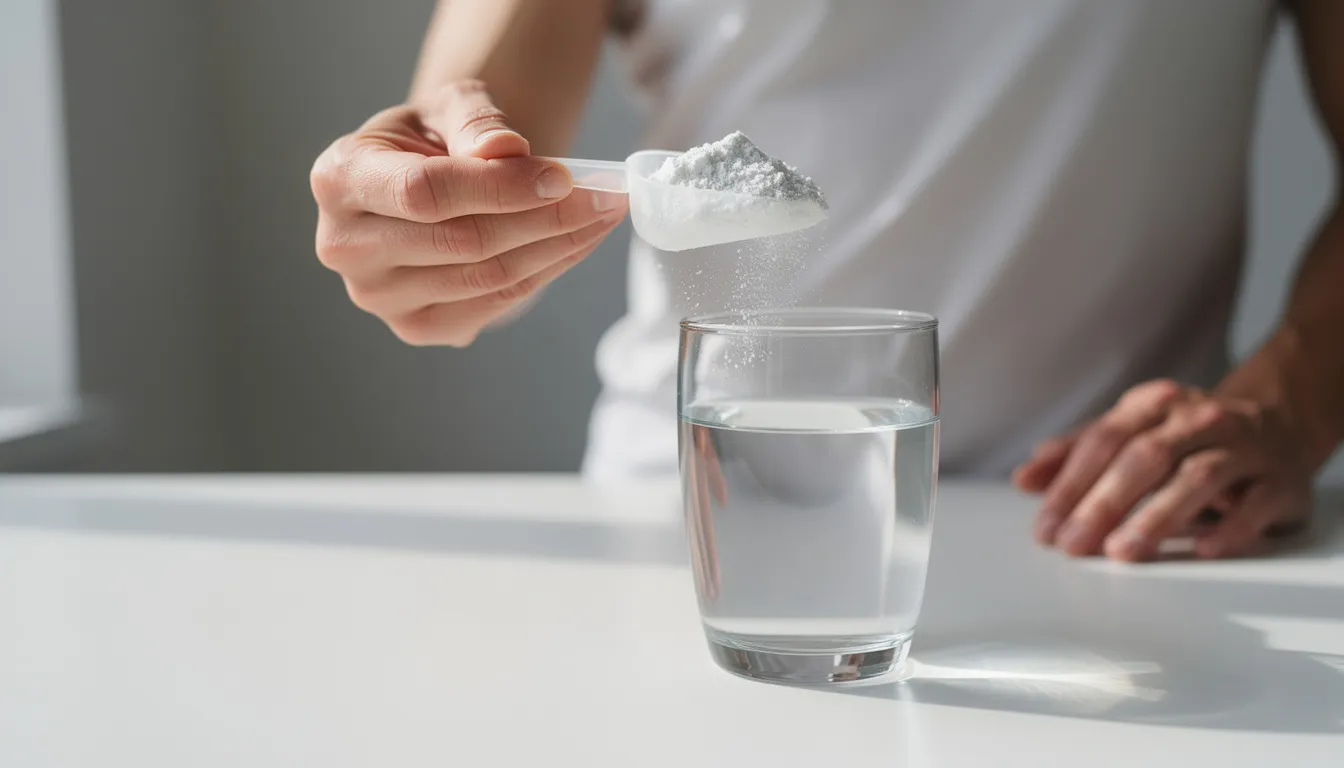
What Happens if You Take Creatine But Don’t Work Out?
Let’s address the core question directly: without resistance training or high intensity exercise, creatine’s visible effects on muscle size and strength are modest. You won’t wake up looking like a bodybuilder just because you added a supplement to your morning routine.
However, several things still happen at the cellular level:
Muscle Saturation and Water Retention
Your muscles still absorb and store creatine when you consume creatine. This process draws water into muscle cells through osmosis—a phenomenon called cell volumization. During the first week of creatine supplementation, most people experience a weight gain of 2–6 pounds, primarily from this water shift.
This “fuller” look isn’t new muscle tissue. It’s hydration within existing muscle fibers. Without the mechanical stimulus of lifting weights or intense workouts, you won’t trigger significant muscle growth.
Subtle Daily Benefits
That said, research suggests non-exercisers may notice:
-
Slightly better energy availability for daily physical tasks (climbing stairs, carrying groceries)
-
Reduced general fatigue during prolonged low-intensity activities
-
Improved thermoregulation and potentially reduced dehydration risk during heat stress
-
Modest support for injury recovery and reduced muscle cramps
Studies on sedentary office workers have reported easier physical performance in routine activities, with self-reported energy boosts aligning with reduced lactate accumulation during efforts lasting beyond 150 seconds.
The Bottom Line
Creatine without exercise isn’t a shortcut to a muscular physique. It primarily amplifies the results of progressive training. But for overall wellness—especially brain function, healthy aging, and energy levels—it can still be reasonable to consider.
Does Creatine Build Muscle Without Lifting?
Here’s a truth that no supplement company will tell you: meaningful muscle growth requires mechanical tension and progressive overload. Creatine alone cannot replace resistance training when your goal is to build muscle. However, creatine supplementation can enhance physical performance, especially when combined with resistance training or high-intensity exercise.
How Creatine Actually Supports Muscle Gains
When combined with regular exercise, creatine helps in several ways:
|
With Training |
Without Training |
|---|---|
|
Allows more reps and heavier weights |
No additional training stimulus |
|
Increases total work capacity by 10–20% |
Muscles store creatine but don’t grow significantly |
|
Amplifies hypertrophy by 20–30% |
Weight gain is mostly water, not new tissue |
|
Enhances muscle performance and recovery |
Slight improvement in daily energy |
|
Supports faster gains in lean muscle mass and helps build more muscle mass |
May slow age-related muscle loss marginally |
Without that training stimulus, any increase in limb circumference comes primarily from water drawn into muscle cells—not new contractile proteins.
A Note for Older Adults
The picture shifts slightly for older adults (typically over 50–60) facing sarcopenia—the progressive loss of muscle mass that occurs at roughly 1–2% annually. Clinical trials have shown that creatine monotherapy, even without structured resistance training, can produce small increases in lean body mass (1–2 kg over 12–24 weeks).
This appears to work through:
-
Reduced muscle protein degradation via inhibition of myostatin
-
Upregulation of IGF-1 (insulin-like growth factor 1)
-
Enhanced cellular hydration signaling anabolic pathways
For postmenopausal women in particular, research has documented gains of 1.5–3% in appendicular lean mass from 3–5 grams daily creatine alone—similar to outcomes in bedridden patients during rehabilitation.
So while creatine won’t help you maximize muscle growth without training, it may help maintain muscle mass during periods of inactivity or age-related decline.
Can I Take Creatine if I Skip the Gym?
Picture this: you travel frequently for work, you’re dealing with a minor injury, or your schedule simply doesn’t allow for consistent gym sessions. Should you stop taking creatine on those days?
The short answer: no.
Creatine works by saturating your muscles over days and weeks, not in single doses. Daily use—even on rest days or “lazy” days—maintains those elevated stores so you’re ready when you do train.
Why Consistency Beats Perfect Timing
|
Factor |
What Matters |
|---|---|
|
Saturation |
Takes 3–4 weeks at 3–5g daily to fully load muscles |
|
Maintenance |
Daily dosing keeps stores topped off |
|
Timing |
Flexible—morning, afternoon, or evening all work |
|
Skip days |
Occasional misses don’t reset progress significantly |
If you’ve stopped working out long-term (several months or more), you can still continue taking creatine for cognitive or aging-related benefits. However, it’s worth reassessing your goals and discussing with a healthcare professional if you’re unsure about your direction.
Practical Guidance
-
Maintain 3–5 g per day whether you train or not
-
Take it with a meal to reduce potential stomach upset
-
Don’t worry about post-workout timing if you’re not exercising
-
Stay consistent—building a daily habit matters more than optimizing around workouts that aren’t happening
Are There Benefits of Creatine Besides Muscle Gains?
Over the past two decades, research has moved well beyond the weight room. Scientists have explored creatine’s roles in brain health, aging, inflammation, and metabolism—with some intriguing findings for people who never touch a barbell. Studies suggest that creatine supplementation may offer potential benefits for brain health, aging, and metabolism, even in individuals who do not exercise regularly.
Non-exercisers might be most interested in:
-
Better cognitive performance under stress
-
Potential protection against age-related decline
-
Improved quality of life in older adults
Additionally, creatine supplementation may enhance cognitive function by supporting memory, processing speed, and overall brain health.
Let’s break down the key areas where creatine plays a supporting role.
Cognition
Your brain is an energy-hungry organ, consuming roughly 20% of your body’s total energy despite making up only 2% of body weight. Enhanced ATP availability from creatine helps support demanding cognitive tasks.
What the Research Shows
-
Supplementation can elevate brain phosphocreatine levels by 15–20%
-
Randomized controlled trials in sedentary participants showed measurable cognitive enhancements after 3–5 grams daily for 4–6 weeks
-
Benefits include improvements in:
-
Working memory and short-term recall
-
Processing speed
-
Mental fatigue resistance
-
Reaction time
-
These effects appear more pronounced in specific groups:
-
Vegetarians and vegans (lower baseline creatine from diet)
-
People under cognitive stress (students, shift workers)
-
Adults experiencing sleep deprivation
-
Older adults concerned with overall brain function
Studies on mild traumatic brain injury and concussion recovery have also shown promising neuroprotective effects, with higher brain creatine correlating to 10–15% better neuropsychological scores in some trials.
While creatine isn’t a replacement for sleep, nutrition, or medical treatment, it may be a useful adjunct for anyone focused on cognitive function.

Anti-Inflammatory
Creatine appears to influence inflammatory pathways in ways that extend beyond muscle performance.
Key Mechanisms
-
Reductions in certain pro-inflammatory cytokines (like interleukin-6) observed in human and animal studies
-
Antioxidant properties that help scavenge free radicals
-
Potential reduction of oxidative stress linked to chronic low-grade inflammation
For non-exercisers, these effects may translate into:
-
Milder general muscle soreness from daily activities
-
Better joint comfort
-
Improved recovery from physical strain (even without structured workouts)
That said, creatine should complement—not replace—medical strategies for inflammatory conditions like arthritis or autoimmune diseases. It’s a supporting player, not a treatment.
Blood Sugar Management
Research on creatine and blood sugar control remains mixed but intriguing, particularly for people with insulin sensitivity concerns.
Current Evidence Suggests
-
Some studies show improved glucose tolerance when creatine is combined with exercise
-
Effects on insulin sensitivity appear modest without lifestyle modification
-
May support healthy metabolic function as part of a broader wellness approach
Important Caution
Anyone with diabetes, metabolic syndrome, or who takes glucose-lowering medications should consult their healthcare provider before starting creatine supplementation. This area needs more research before drawing strong conclusions about blood sugar management benefits.
What Type of Creatine Is Best If You Don’t Work Out?
Walk into any supplement store and you’ll see dozens of creatine products making various claims. Here’s what actually matters:
Creatine Monohydrate: The Gold Standard
For both athletes and non-exercisers, creatine monohydrate remains the top recommendation due to:
-
Most extensively studied form (appearing in the vast majority of research)
-
Strong safety data in adults of all ages
-
Low cost ($0.05–0.15 per serving)
-
Typical dose: 3–5 g per day
-
Wide availability in powder and capsule forms
If you’re starting creatine supplementation for the first time, this is where to begin.
Other Forms Worth Knowing
|
Form |
Claims |
Reality |
|---|---|---|
|
Creatine HCL |
More soluble, less bloating |
May help those with GI issues from monohydrate, but no clear performance advantage |
|
Creatine Ethyl Ester |
Better absorption |
Research shows it may actually convert to creatinine (waste product) faster |
|
Buffered Creatine |
pH balanced, more stable |
No meaningful advantage over monohydrate in studies |
|
Creatine Nitrate |
Added nitric oxide benefits |
Limited evidence, often more expensive |
Unless you have specific digestive issues with monohydrate, there’s no evidence-based reason to pay more for alternative forms.
Practical Buying Tips
-
Look for third-party tested products (NSF, Informed Sport, or USP certified)
-
Price ranges from $15–40 for 60+ servings of quality monohydrate
-
Powder form offers better value than capsules
-
Avoid products with excessive added ingredients or proprietary blends
Are There Any Negative Side Effects of Taking Creatine Without Exercising?
Creatine is one of the most researched supplements available, with meta-analyses of over 500 studies confirming its safety profile for healthy people at recommended doses—whether they train or not.
Common Mild Side Effects
|
Side Effect |
Frequency |
Management |
|---|---|---|
|
Temporary weight gain (1–3 lbs) |
Very common |
Expected water retention, not fat gain |
|
Bloating |
Common initially |
Usually resolves after 1–2 weeks |
|
Stomach cramps |
Occasional |
Split dose into 2–3 smaller servings |
|
Loose stools |
Occasional |
Take with food; avoid loading phase doses |
|
Muscle tightness |
Rare |
Increase water intake |
Many of these issues occur when people use aggressive loading phase protocols (20+ grams per day). For non-exercisers, there’s no need for such high doses—starting with 3–5 grams daily avoids most digestive problems entirely. Creatine supplementation may also support recovery from muscle strains and reduce muscle tightness following physical activity.
Addressing Kidney Concerns
This is the most common worry, and research provides reassurance:
-
Long-term studies (up to 5 years) at 5 grams daily show no kidney damage in healthy adults
-
Glomerular filtration rates remain unchanged versus controls
-
One rodent study showed renal stress at supraphysiologic doses (equivalent to 30+ grams in humans), but this far exceeds normal supplementation
Who Should Be Cautious
Speak with a doctor before starting creatine if you have:
-
Pre-existing kidney disease
-
Liver disease
-
Uncontrolled hypertension
-
Are taking nephrotoxic medications or diuretics
-
Are pregnant or breastfeeding
Hydration Matters
Because creatine draws water into muscle cells, adequate fluid intake becomes more important. Aim for approximately 2–2.5 liters of water daily, adjusting for your body size, climate, and physical activity level.
Debunked fears like hair loss or rhabdomyolysis stem from early anecdotal reports but have been refuted by longitudinal research data.
Potential Interactions and Considerations
When you decide to take creatine without working out, it’s important to be mindful of how creatine supplementation might interact with your unique health profile and daily routine. While creatine is a naturally occurring compound found in the body and in protein rich foods, it’s still a powerful dietary supplement that can affect various systems—even if you’re not chasing rapid performance enhancement or increased muscle mass in the gym.
Medication and Health Conditions
Creatine supplements can interact with certain medications, including blood thinners and drugs that impact kidney or liver function. If you have a history of kidney or liver disease, or are taking medications that affect these organs, it’s essential to consult your healthcare provider before starting creatine supplementation. This is especially true since creatine plays a role in energy production within muscle cells and other tissues, and any underlying health issues could influence how your body processes this naturally occurring compound.
Possible Side Effects and How to Minimize Them
How to Use Creatine If You Don’t Work Out Regularly
For non-exercisers focused on general health rather than rapid performance enhancement, the approach is refreshingly simple.
Standard Protocol
-
Choose creatine monohydrate (powder or capsules)
-
Take 3–5 grams once daily
-
Skip the loading phase unless you want faster saturation
-
Loading (20g/day for 5–7 days) is unnecessary for non-athletes
-
Simply delays full saturation by 2–3 weeks
-
-
Be consistent rather than worrying about perfect timing
Timing Options for Non-Exercisers
Since you’re not timing around workouts, flexibility is your friend:
-
Morning with breakfast
-
Mixed into a smoothie or shake
-
Alongside other daily supplements
-
With any meal that helps you remember
What to Mix It With
|
Option |
Notes |
|---|---|
|
Water |
Simple and effective |
|
Juice |
May help mask taste; slight insulin boost may improve absorption |
|
Smoothies |
Easy to incorporate into routine |
|
Warm beverages |
Dissolves powder more easily but not required |
|
With meals |
Reduces potential stomach upset |
Tracking Progress
After 6–8 weeks of consistent use:
-
Note any changes in energy levels
-
Track cognitive function (focus, mental fatigue)
-
Monitor weight (expect 2–5 lbs initial water gain)
-
Assess whether continuing aligns with your goals
-
Consider discussing with a healthcare provider if you have questions
How Much Creatine Is Right?
For most adults without intense workouts:
-
Creatine dosage: 3–5 grams daily
-
Maintenance dose: Same as starting dose (no need to cycle)
-
Creatine regimen: Daily, ongoing use is standard
-
Starting creatine supplementation: Begin with lower end (3g) if concerned about side effects
Summary
Creatine is not mandatory for health, but it can be a useful, well-studied supplement even if you rarely or never work out.
The Key Points to Remember
The biggest benefits of creatine for muscle strength, increased muscle mass, and physical performance occur when combined with consistent resistance training. Creatine supplementation can also enhance exercise performance by increasing energy availability and supporting faster recovery. If your goal is to boost muscle growth or build muscle, you’ll need to pair creatine with actual workouts.
That said, non-exercise benefits are legitimate and research-backed:
-
Brain function support – Enhanced ATP in neural tissues supports cognitive function
-
Healthy aging – May help maintain muscle mass and bone density in older adults
-
Anti-inflammatory and antioxidant effects – Contributes to cellular protection
-
Energy for daily activities – Supports physical activity beyond structured exercise
Safety is well-established. Creatine monohydrate at 3–5 grams per day is generally safe for most healthy adults. Those with kidney conditions, liver disease, or on certain medications should consult a healthcare provider first.
Creatine helps support your body’s natural energy systems, but it’s not magic. Building sustainable habits around movement, quality sleep, and good nutrition remain the foundation of long-term health. Think of creatine as one potential tool in a much larger toolkit—useful, but not a replacement for the basics.

FAQ
How long can I take creatine if I don’t work out?
Studies have followed adults for several years on daily creatine without major safety concerns, and many people use it continuously as part of their supplement routine. There’s no evidence suggesting you need to cycle off creatine. That said, periodic check-ins with a doctor make sense, especially for older adults or anyone with health conditions that may have developed over time.
Will I lose my creatine “gains” if I stop taking it but still don’t exercise?
Yes, but gradually. Muscle creatine levels return to baseline within approximately 3–4 weeks of stopping supplementation. Any water-related fullness or the small performance benefits you may have noticed will fade over this period. There’s no rebound harm or negative consequence—your body simply goes back to its natural creatine levels.
Is creatine worth it if my only goal is better focus at work or school?
Some evidence supports cognitive benefits, particularly under stress or low sleep conditions. Research suggests improvements in working memory, processing speed, and mental fatigue resistance. Results vary by individual, so consider trying a 6–8 week trial with 3–5 grams per day and monitoring your focus, energy, and cognitive performance before deciding if it’s worth continuing.
Can teenagers who don’t play sports take creatine?
Research in healthy adolescents is more limited compared to adults. Most professional guidelines recommend creatine only for motivated teen athletes under supervision from coaches, trainers, or sports medicine professionals. Non-athletic teenagers interested in taking creatine supplements should speak with a pediatrician first to weigh potential benefits against the lack of long-term data in this age group.
Does creatine interact with coffee, pre-workouts, or medications?
Creatine and caffeine can be taken on the same day without major issues. Some older research suggested caffeine might blunt creatine’s effects, but more recent data indicates this isn’t a significant concern for most people. If you’re cautious, separating them by 1–2 hours is reasonable. More importantly, check with a healthcare provider about prescription drugs—especially diuretics, kidney-impacting medications, or anything that affects hydration status—before adding creatine to your routine.



Leave a comment
This site is protected by hCaptcha and the hCaptcha Privacy Policy and Terms of Service apply.