

-
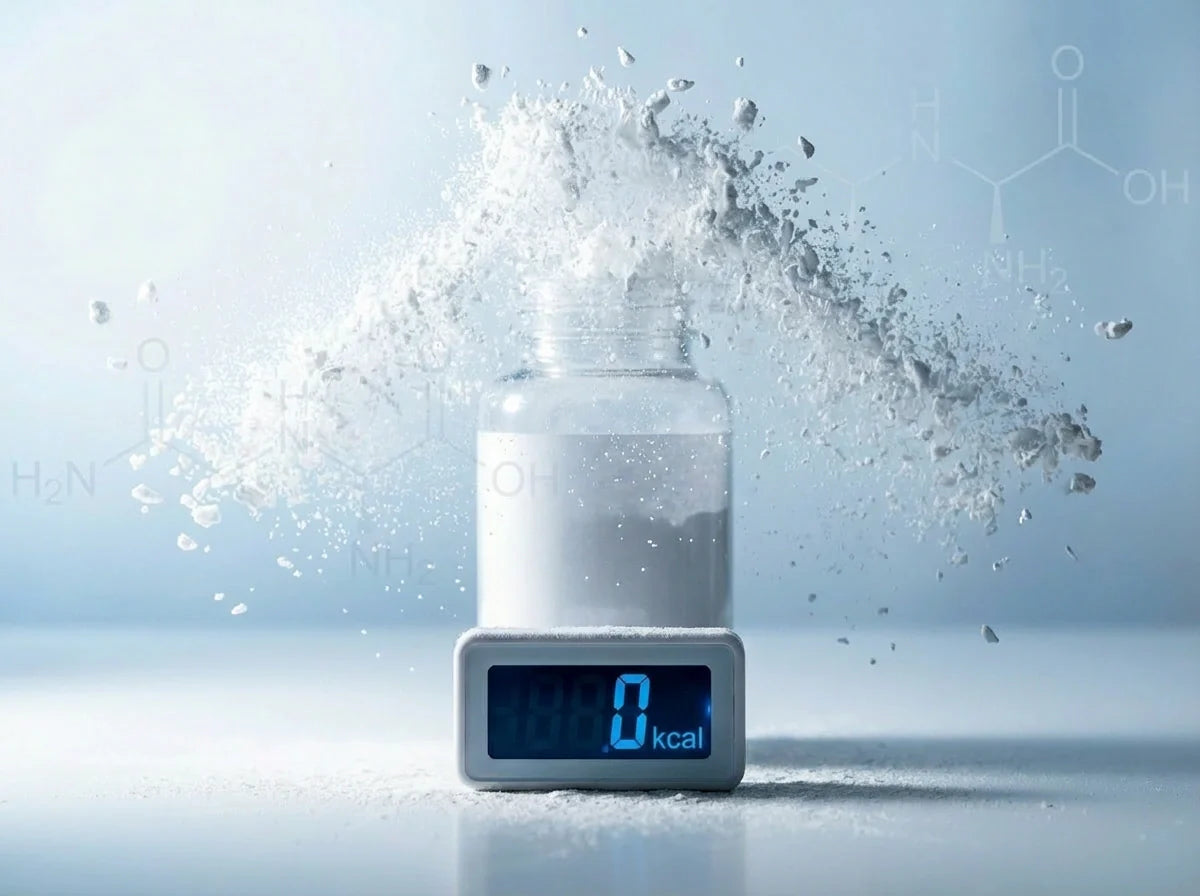
Pure creatine monohydrate contains effectively zero calories (0–5 kcal per 5g serving), making it irrelevant to your daily calorie count for weight loss or gain purposes.
-
Creatine contains minimal calories, making it suitable for calorie-conscious diets.
-
Any calories listed on a creatine supplement label typically come from added sugars, flavorings, or fillers—not the creatine itself.
-
Creatine does not contribute significant calories, so it won't impact fat loss or weight management goals.
-
Weight gain from creatine supplementation is almost always water retention in muscle cells and increased lean muscle mass, not actual fat gain.
-
You don’t need to track creatine calories while cutting, intermittent fasting, or following strict diets—focus on your food intake instead.
-
Creatine supports your training performance without adding meaningful caloric load, making it one of the most diet-friendly supplements available.
-
Creatine indirectly supports weight management by promoting muscle growth, which can increase your resting metabolic rate.
Creatine Calories: The Short Answer
Does creatine have calories? For all practical purposes, no. A standard 5-gram serving of pure creatine monohydrate provides somewhere between 0 and 5 calories—an amount so small that it qualifies as minimal calories and is not significant for daily intake. Creatine does not contribute significant calories to your diet.
Here’s why the calorie content is negligible: creatine is a nitrogenous organic acid, not a carbohydrate, fat, or typical dietary protein. Your body doesn’t metabolize creatine the same way it breaks down these macronutrients for energy. Nutrition labels for plain creatine monohydrate in the US, UK, and EU typically show 0 kcal per serving because government rounding rules allow anything under 5 calories to be listed as zero.
-
Flavored creatine powders, ready-to-drink mixes, and gummies often contain 10–60+ calories per serving because of added sugars and other ingredients—not the creatine itself.
What Is Creatine and How Does It Work?
Creatine is a naturally occurring compound that your human body produces from three amino acids: arginine, glycine, and methionine. Think of it as a performance-enhancing molecule that’s already running through your system.
Your body manufactures approximately 1–2 grams of creatine naturally each day in the liver, kidneys, and pancreas. You also get another gram or so from foods like red meat and fish. About 95% of your body’s total creatine is stored in muscle stores (skeletal muscle tissue), with smaller amounts distributed in the brain and other organs.
So how does creatine actually help you train harder? It all comes down to adenosine triphosphate (ATP)—the energy currency your muscle cells use for explosive efforts. When you’re grinding through those last few reps on a heavy set or sprinting at full speed, your muscles burn through ATP rapidly. Creatine is a nitrogenous organic acid that helps recycle ATP, the primary energy source for muscles during high-intensity activities. Creatine helps regenerate that ATP faster, allowing you to push harder for longer before fatigue sets in.

Creatine as an Energy Helper, Not a Calorie Source
Here’s where the calorie confusion clears up. Calories measure the energy released when your body breaks down carbs, fats, and proteins. Creatine works differently—it functions more like a recycling system for ATP rather than a fuel source.
When you exercise intensely, creatine phosphate donates a phosphate group to ADP (spent ATP) to rapidly resynthesize fresh ATP. This process doesn’t involve burning creatine like your body burns glucose or fatty acids. Think of creatine as a battery charger, not gasoline.
This distinction matters because creatine can dramatically boost your performance, help you lift heavier weights, and support muscle growth—all without adding any meaningful caloric load to your diet. It’s a performance enhancer that doesn’t touch your macro budget.
How Many Calories Does Creatine Actually Have?
You’ll find different sources quoting different numbers—anywhere from 0 to roughly 20 calories per 5-gram serving. This variation comes from different calculation methods and the way manufacturers round their nutrition labels.
For real-world dieting purposes, a 3–5 gram serving of pure creatine monohydrate should be treated as 0 calories. The usable energy is so negligible that tracking it would be like counting the calories in your multivitamin.
Some laboratory-based estimations treat creatine similarly to amino acids (roughly 4 kcal per gram), but this is misleading. In practice, creatine isn’t oxidized for energy the way protein is. Your muscle creatine stores are used for ATP regeneration, not fuel.
Government labeling regulations in most countries allow anything under 5 calories per serving to be rounded down to zero. That’s why the vast majority of pure creatine products show 0 kcal on the label—and they’re not wrong.
Why Some Products List “Trace” Calories
When a creatine supplement lists 5–20 calories on the label, those calories almost always come from added ingredients rather than the creatine itself. Manufacturers add dextrose, maltodextrin, flavorings, and sweeteners to improve taste and mixability.
Concrete examples:
-
Flavored pre-workouts containing creatine often include 8–15 grams of carbohydrates, adding 30–60 calories per serving
-
Creatine gummies use sugar or starch as a base, typically containing 20–80 calories per serving
-
Ready-to-drink creatine beverages may pack 60–120 calories from added sugars and juice concentrates
Plain, single-ingredient creatine monohydrate powders and capsules list 0 kcal and 0 grams of carbs, protein, and fat. Before purchasing any creatine product, check the Nutrition Facts or Supplement Facts panel specifically for total calories and added sugars.
Creatine, Weight Gain & Fat Loss: What Really Happens
Let’s address the elephant in the room. Many people start taking creatine, notice the scale creeping up, and assume they’re gaining fat. This assumption is wrong, and understanding why will save you unnecessary stress.
The first 1–3 kg (2–7 lb) of body weight increase during the first few weeks of supplementing creatine is largely from increased water stored inside your muscles—not body fat. Research shows most people experience between 2 and 4 pounds of water weight during the initial week of creatine use.
Over months of consistent creatine supplementation combined with resistance training, you can expect to build more muscle mass. Creatine supports increases in muscle weight as part of its effect on body composition, promoting muscle hypertrophy and overall muscular development. Muscle tissue is denser than fat, so your scale weight may increase while your body composition actually improves. Your clothes may fit the same or better even if the scale shows 2–3 extra pounds.
Creatine itself does not drive fat accumulation. Its caloric impact is essentially zero, especially in pure monohydrate form. Any increase in fat mass would require a consistent calorie surplus from your food intake—not from a supplement that contributes fewer calories than a stick of gum.
Water Retention: Helpful, Not Harmful
Creatine pulls more water into muscle cells, which can make your muscles look fuller and may slightly increase scale weight. This is a feature, not a bug.
The key distinction: this water is stored inside the muscle, not under the skin. It’s associated with better hydration and creates an anabolic environment that supports muscle recovery and lean muscle growth. You’re not getting puffy—you’re getting pumped.
During a loading phase (typically 20 grams per day for 5–7 days), the initial weight gain can be more noticeable. On lower, steady doses of 3–5 grams daily, changes are usually modest and gradual. Staying well-hydrated with at least 2–3 liters of fluid per day can help minimize any uncomfortable bloating or muscle cramps.

Does Creatine Make It Harder to Lose Fat?
No. Creatine does not make fat loss harder. Its minimal caloric content is completely irrelevant in the context of a typical 1,600–3,000 calorie daily intake. You could take creatine every day for a year and the total “calories” from it would be less than a single protein shake.
In fact, creatine can indirectly support your fat loss efforts by helping you train harder during a calorie deficit. When you’re cutting calories, maintaining strength becomes challenging. Creatine helps you preserve muscle creatine levels, continue high intensity exercise performance, and hold onto lean muscle mass.
Preserving muscle while dieting keeps your resting metabolic rate higher than if you lost muscle along with fat. This boosts metabolism and supports long-term weight management. You don’t need to “cut” creatine just because you’re cutting calories—keeping it in your supplement regimen is often the smarter choice.
Creatine Forms & Hidden Calories to Watch For
Not all creatine products are created equal when it comes to caloric content. The format you choose and the ingredients list can make the difference between zero calories and a meaningful caloric addition.
|
Creatine Form |
Typical Calories |
Best For |
|---|---|---|
|
Pure monohydrate powder |
0 kcal |
Cutting, strict tracking, fasting |
|
Capsules |
0–1 kcal |
Convenience, travel |
|
Flavored powders |
20–60 kcal |
General use, taste preference |
|
Pre-workout blends |
30–120 kcal |
Combined supplementation |
|
Gummies/chewables |
30–100 kcal |
Convenience, taste |
|
Ready-to-drink |
60–150 kcal |
On-the-go use |
For fitness enthusiasts on strict calorie control, intermittent fasting, or contest prep, pure creatine powder remains the gold standard.
Pure Creatine Powders and Capsules
Single-ingredient creatine monohydrate powders and capsule products almost always contain 0 measurable calories per 3–5 gram serving. Look for products that list only “Creatine Monohydrate” in the ingredients with no sugars, flavors, or fillers.
Reputable brands offer micronized creatine monohydrate that mixes easily and has been tested for purity. If you’re tracking macros strictly or preparing for a physique competition, these plain forms eliminate any guesswork about hidden calories.
Capsules may contain tiny amounts of capsule material (gelatin or cellulose), but this typically adds less than 1 calorie per serving—completely negligible caloric impact for any practical purpose.
Flavored Powders, RTDs, and Gummies
Flavored creatine powders and pre-workouts often include carbohydrates like dextrose for taste and improved creatine uptake. These can add anywhere from 20–120 calories per serving depending on the formula. Some products contain 8–10 grams of sugar, contributing 30–40 calories per scoop.
Creatine gummies and chewables frequently use sugar or starch as a base to create the gummy texture. Typical servings range from 30–100 calories. While convenient, these aren’t ideal for people in a deep calorie deficit or following ketogenic diets.
Products like creatine ethyl ester or buffered creatine formulas may also include additional ingredients. Always read labels carefully if you’re on tight calorie or carb limits.
Potential Side Effects of Creatine
While creatine supplementation is widely recognized for its safety and effectiveness, some users may experience mild side effects, especially when first starting out or when taking higher doses. The most commonly reported issues include stomach cramps, diarrhea, and muscle cramps. These side effects are typically short-lived and can often be minimized by splitting your daily dose, taking creatine with food, or switching to a different form such as micronized creatine monohydrate.
Another effect to be aware of is weight gain, which is usually the result of increased water retention within muscle cells rather than actual fat accumulation. This initial water weight is a normal part of the process as your muscles become fully saturated with creatine, supporting lean muscle mass and improved performance. For those aiming to lose fat, it’s important to remember that this weight gain is not a sign of fat gain, but rather a reflection of greater muscle mass and hydration.
To reduce the risk of dehydration and muscle cramps, make sure to drink plenty of water throughout the day, especially during periods of intense training or hot weather. Staying well-hydrated not only supports muscle function but also helps your body adapt smoothly to creatine supplementation.
Interactions with Other Supplements
Creatine is often stacked with other supplements to maximize muscle growth, recovery, and high intensity exercise performance. However, it’s important to be mindful of how creatine interacts with other products in your supplement regimen.
For example, combining creatine with caffeine—commonly found in pre-workout formulas—may increase the risk of dehydration, so extra attention to fluid intake is recommended. On the positive side, taking creatine alongside protein shakes can further support muscle growth and recovery, as both work synergistically to enhance muscle protein synthesis and repair after high intensity exercise.
Creatine can also be paired with other performance-enhancing supplements like beta-alanine, which may amplify improvements in high intensity exercise performance. However, if you’re taking medications such as blood thinners or have specific health conditions, it’s crucial to consult with a healthcare professional before starting creatine supplementation. This ensures that there are no adverse interactions and that your supplement stack is both safe and effective for your individual needs.
Long-Term Effects of Creatine Use
The long-term use of creatine supplementation has been extensively studied, and the evidence consistently points to its safety and efficacy for supporting muscle mass, strength, and high intensity exercise performance. Research shows that regular creatine use can lead to sustained increases in lean muscle mass and improvements in power output, making it a valuable tool for athletes and fitness enthusiasts focused on muscle development and performance.
Beyond its benefits for muscle tissue, emerging studies suggest that creatine may also have neuroprotective properties, potentially helping to slow the progression of certain neurodegenerative diseases. While these findings are promising, more research is needed to fully understand the broader health impacts of long-term creatine use.
As with any supplement, it’s important to follow recommended dosages and consult with a healthcare provider if you have underlying health conditions or are taking other medications. When used responsibly, creatine supplementation remains one of the most effective and well-tolerated options for supporting high intensity exercise and long-term muscle health.
Common Mistakes When Using Creatine
To get the most out of creatine supplementation and enjoy the full benefits of creatine—whether your goal is to build muscle, lose fat, or improve body composition—it’s important to avoid some common pitfalls:
-
Not drinking enough water: Creatine increases water retention in muscle cells, so inadequate hydration can lead to muscle cramps and reduce the effectiveness of the supplement. Aim to drink plenty of water daily, especially during intense training.
-
Taking excessive doses: More isn’t always better. Taking too much creatine can cause stomach cramps, diarrhea, and other digestive issues. Stick to the recommended daily intake of 3–5 grams for maintenance.
-
Expecting instant results: Creatine works by gradually saturating your muscle creatine stores. Visible changes in muscle mass and performance may take several weeks, so patience and consistency are key.
-
Choosing low-quality supplements: Not all creatine supplements are created equal. Opt for pure creatine monohydrate from reputable brands to ensure you’re getting an effective, safe product without unnecessary fillers or sugars.
-
Neglecting proper dosing protocols: Some believe that cycling creatine is necessary, but current research shows that continuous use is safe for most people. However, following a loading phase (if desired) and then maintaining a steady daily dose is the most effective approach.
By steering clear of these mistakes, you can maximize the benefits of creatine supplementation, support your goals to build muscle, lose fat, and improve your overall body composition—while minimizing the risk of side effects like muscle cramps or digestive discomfort.
Creatine While Cutting, Fasting, or on Strict Diets
Three common scenarios cause people to question creatine use: aggressive calorie cutting, intermittent fasting, and low-carb or keto diets. In all three cases, pure creatine is generally compatible and even beneficial.
When you’re in a calorie deficit trying to lose fat, your focus should be on total daily intake and macros from food. A supplement contributing essentially zero calories doesn’t move the needle. The same applies to intermittent fasting protocols and carb-restricted eating plans.
What actually matters during these phases is maintaining your training intensity and preserving lean muscle gain despite reduced food intake. Creatine helps with both.
Should You Track Creatine Calories While Cutting?
Most people do not need to log creatine calories during a cut. The impact of 0–5 calories per day is well within normal tracking error—you’re probably off by more than that estimating your chicken breast portion size.
Extremely competitive physique athletes who track every gram might choose to log 5–10 calories per serving for consistency. But even in contest prep, this is more about psychological completeness than nutritional necessity.
Don’t obsess over whether to count creatine in your daily intake. Instead, prioritize maintaining a consistent deficit, hitting adequate protein targets, and training smart. These factors determine your weight loss success, not the negligible caloric content of your creatine dose.
Does Creatine Break a Fast?
From a strict “zero intake” fasting perspective, any non-water substance technically breaks a fast. But let’s be practical.
Physiologically, a 3–5 gram dose of pure creatine with effectively zero calories is unlikely to meaningfully affect insulin response, autophagy, or fat loss during intermittent fasting windows. The metabolic impact is essentially nonexistent.
If you’re following religious fasts with specific rules or very strict therapeutic fasting protocols, consult the guidelines of your specific practice or speak with a knowledgeable professional. For standard 16:8 or similar intermittent fasting for body composition, taking creatine during your fasting window is unlikely to derail your results.
How to Use Creatine for Performance Without Calorie Worries
Creatine is one of the most researched and effective performance supplements available, backed by decades of studies. The International Society of Sports Nutrition position stand on creatine confirms its safety and efficacy. Its negligible caloric impact makes it even more appealing for athletes managing their nutrition carefully.
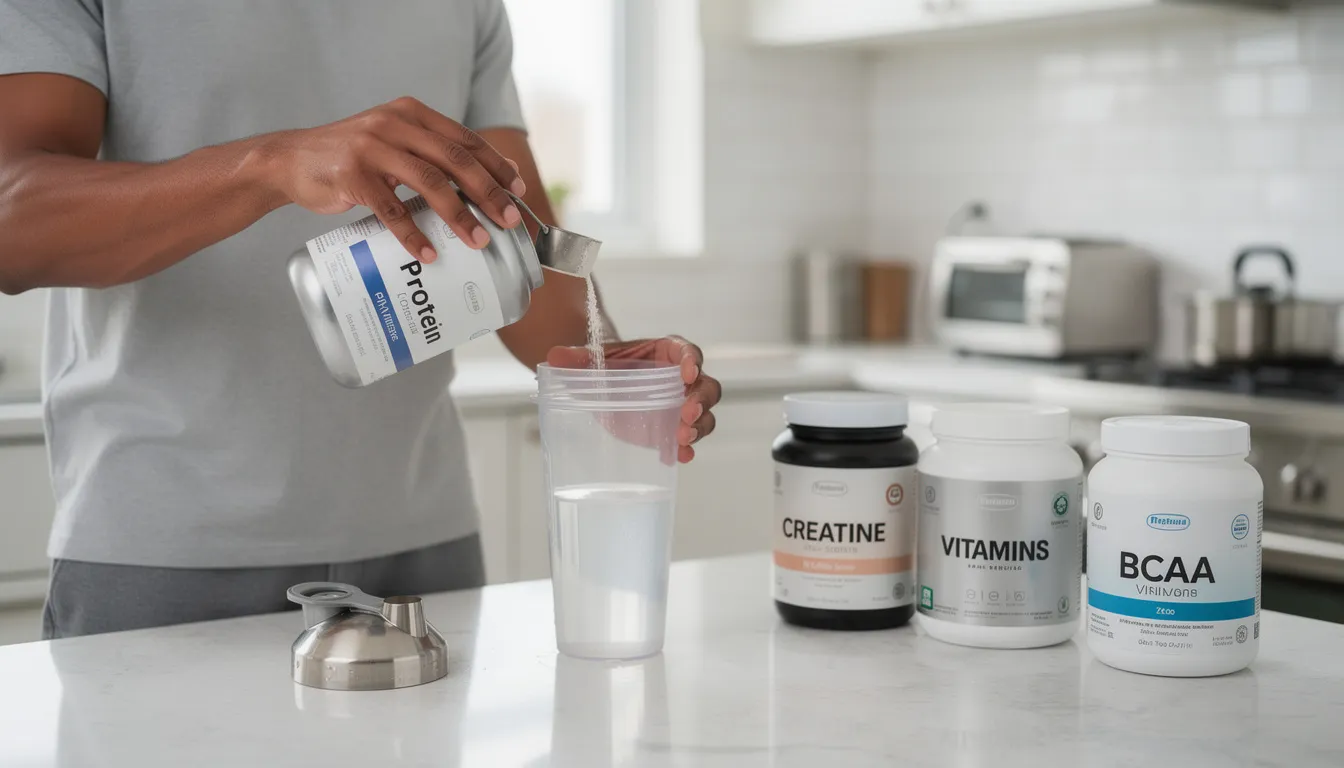
The standard recommendation: take 3–5 grams of creatine monohydrate daily. This how much creatine most adults need to maximize muscle creatine stores over time. An optional loading phase of 20 grams per day (split into four 5-gram doses) for 5–7 days can saturate stores faster, but it’s not required.
Timing matters less than consistency. You can take creatine at any time—morning, pre-workout, post-workout, or with dinner. Some research suggests taking it with a meal containing carbohydrates may enhance uptake, but the difference is minor. Just pick a time that works for your schedule and stick with it.
Creatine pairs exceptionally well with resistance training and high intensity exercise. If you want to build muscle, improve power output, and support muscle development, combining creatine with a solid lifting weights program delivers the best results. Remember: taking creatine without working out provides no benefit.
Choosing the Right Creatine for Your Goals
For most readers, micronized creatine monohydrate powder is the default choice. It’s cost-effective, extensively researched, and effectively calorie-free. No need to overcomplicate things with exotic forms—monohydrate works.
Capsules offer convenience for those who dislike powders or travel frequently. Just verify they’re free from added sugars and unnecessary fillers. The creatine inside works identically to powder form.
If you’re in a cutting phase, tracking macros strictly, or practicing intermittent fasting, avoid heavily sweetened creatine products. Stick with plain, unflavored versions to eliminate any hidden calorie concerns. When possible, look for products with third-party testing certifications to ensure purity and accurate labeling.
FAQ: Creatine, Calories & Diet (Reader Questions)
Does creatine count as protein in my macros?
No. While creatine is synthesized from amino acids, it is not dietary protein and should not be logged as protein grams in your tracking app. Creatine doesn’t replace protein from food, protein shakes, or other sources. Your daily protein target should come entirely from actual protein-containing foods and supplements—creatine is separate and doesn’t contribute to protein synthesis in the same way dietary protein does.
Can creatine make me look bloated or puffy?
Creatine increases water inside muscle cells, which typically makes muscles look fuller and more defined—not puffy or bloated. If you experience uncomfortable bloating, it’s usually from added carbs in flavored products, inadequate hydration, or taking creatine on an empty stomach. Pure creatine monohydrate taken with adequate water rarely causes visible bloating. Sleep deprivation and high sodium intake are more common culprits for that puffy look.
Is creatine okay on a ketogenic or low-carb diet?
Absolutely. Pure creatine monohydrate contains essentially 0 grams of carbohydrates and 0 calories, making it fully compatible with keto and low-carb plans. Just avoid flavored versions that include sugars or maltodextrin. Creatine can actually be particularly beneficial during low-carb dieting since it helps maintain training performance when glycogen stores are depleted.
Do I need to cycle off creatine to avoid weight gain?
No. Taking a creatine break is not necessary for safety or calorie management. Cycling is an outdated practice with no scientific support. If you stop taking creatine, your muscle creatine stores will gradually deplete over several weeks, and you’ll likely lose 2–4 pounds of water weight. This isn’t fat loss—it’s just reduced water in muscle cells. Fat mass is completely unaffected by creatine cycling.
Is creatine safe for women who are trying to lean out?
Yes. Evidence consistently shows creatine is safe for healthy women and does not cause fat gain or unwanted weight gain beyond initial water retention. Women can benefit from creatine’s ability to maintain strength and increased muscle mass while dieting, supporting better body composition outcomes. If you’re pregnant, breastfeeding, or have specific medical conditions, consult a healthcare provider before starting any new supplement regimen.

Leave a comment
This site is protected by hCaptcha and the hCaptcha Privacy Policy and Terms of Service apply.